
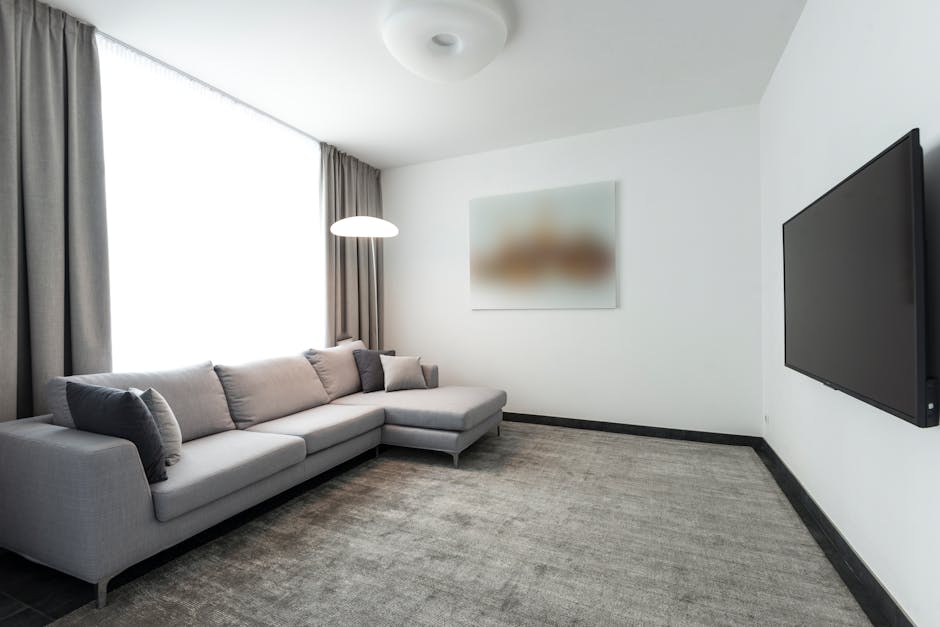
Most minimalist living rooms look like they were designed for people who don’t actually have bodies. You know the ones—the sterile, all-white boxes with a single twig in a vase and a chair that looks like a torture device from the 1970s. It is performative. It is exhausting. And honestly, it is a lie.
I have spent the last six years trying to strip back my apartment in Chicago. I thought that if I just cleared enough surfaces, I would finally feel that legendary ‘zen’ everyone talks about. Instead, I just felt like I was living in a hospital waiting room. I realized that the best minimalist living room design isn’t about having the least amount of stuff. It is about the intentionality of the friction you leave behind.
The 2019 Article sofa incident
In November 2019, I fell for the trap. I bought a white linen sofa from Article—the Mags-style one that everyone on Instagram had. It cost me $1,400 and arrived on a Tuesday. By Thursday, I hated it. Not because it wasn’t beautiful, but because I realized I couldn’t actually live in my own home. I was hovering over it with a coaster like a hawk. I stopped drinking red wine. I even felt weird about my cat sitting on it.
What I mean is—actually, let me put it differently. A living room that makes you change your personality to accommodate the furniture is a failure of design. I sold that sofa on Craigslist for $600 six months later just to get my life back. It was a $800 lesson in why ‘visual purity’ is usually a scam. Real minimalism should make your life easier, not more fragile.
Minimalism is not about subtraction for the sake of an aesthetic; it is about clearing the path for the things that actually matter.
Anyway, I digress. The point is that if you are looking for a guide that tells you to buy a $4,000 marble coffee table that you can’t put a mug on, you’re in the wrong place.
The ‘Open Shelf’ lie and some actual data
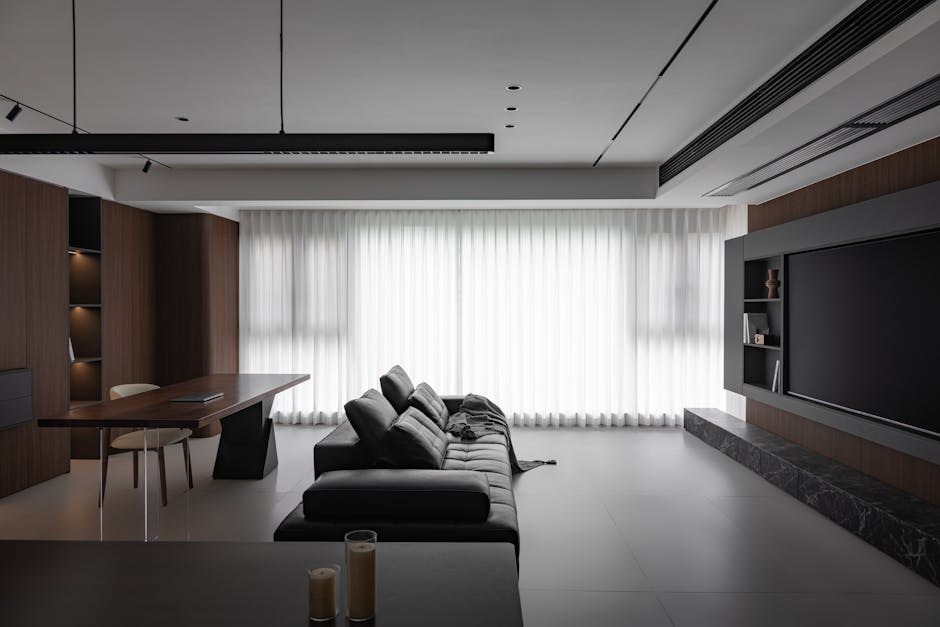
I know people will disagree with this, but open shelving is the enemy of a peaceful mind. Designers love it because it looks ‘airy.’ In reality, it is just a high-maintenance dust magnet. I actually tracked this because I’m a nerd. In my old place, I had three open shelves in the living room. I measured the dust accumulation over four months in 2021. After just 14 days, there was a visible 1.5mm layer of gray soot on my books and ‘curated’ objects.
I spent 20 minutes every Sunday wiping things down. That is 17 hours a year spent cleaning things I don’t even use. That isn’t minimalist. That is a part-time job.
If you want a minimalist living room, buy furniture with doors. I use the IKEA Besta system (but with custom fronts from SemiHandmade, because the standard IKEA finish looks like cheap plastic). It hides the clutter, the routers, and the ugly board games. Out of sight, out of mind. That’s the real trick.
Why your TV is actually a design asset
I might be wrong about this, but I think the trend of ‘hiding’ the TV is pretentious and stupid. We all watch TV. Why are we pretending we don’t? People spend $2,000 on those ‘Frame’ TVs just so they can look at a digital picture of a mountain when they aren’t watching Netflix. It’s a waste of energy and money.
A big black rectangle on the wall provides a necessary anchor point. It gives the room a center. In a minimalist space, you need one heavy element to keep the room from feeling like it’s going to float away. I embrace the TV. I don’t hide it behind a sliding barn door or a motorized canvas. It’s a tool. It stays.
The part nobody talks about (The Floor)
Rug choice is where most people mess up. They buy those thin, flat-weave rugs because they look ‘clean.’ They feel like sandpaper. If you are going minimalist with the furniture, you have to go maximalist with the texture of the rug. I’ve bought the same high-pile wool rug from West Elm twice now. I know, I know—I usually hate West Elm because their build quality is generally garbage (their dressers literally fall apart if you look at them wrong), but this one rug is the exception. It adds the warmth that a minimalist room desperately needs so it doesn’t feel like a morgue.
My non-negotiable rules for the layout:
- The 60/40 Rule: At least 40% of your floor space should be empty. Not ’empty but with a plant.’ Just empty.
- Kill the overhead light: If you use the ‘big light,’ you’ve already lost. Minimalist rooms need layers. One floor lamp, one table lamp. That’s it.
- One ‘weird’ thing: Every room needs one item that doesn’t fit the ‘minimalist’ vibe. A chunky clay pot, an old wooden stool, something with a soul.
I refuse to recommend brands like Wayfair or even most of the stuff at West Elm these days. It’s fast furniture. It’s the opposite of minimalism because it ends up in a landfill in three years. I would rather sit on the floor for six months while I save up for one vintage Vitsoe chair or a secondhand Herman Miller. Quality over quantity isn’t just a catchy phrase; it’s a financial strategy.
It’s funny. I used to think that a minimalist living room was a goal you reached, like a finish line. Now I realize it’s just a constant battle against the ‘stuff’ that tries to creep back in. Last week I caught myself looking at a decorative brass tray at Target and had to physically walk away. I don’t need a tray to hold my keys. I have a pocket for that.
Does your living room actually make you feel calm, or are you just holding your breath so you don’t mess up the symmetry?
Buy the comfortable couch. Hide the clutter. Stop dusting things you don’t love.