
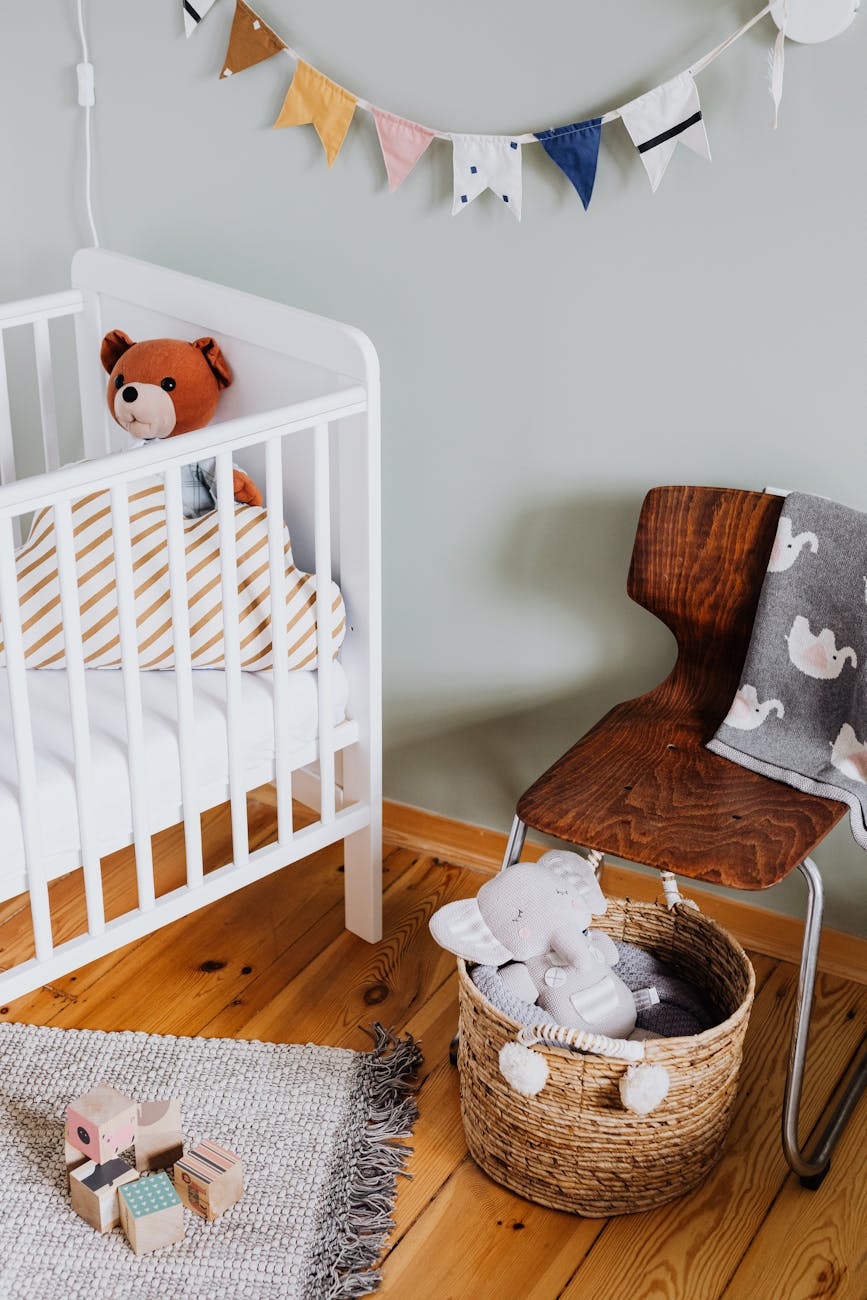
Setting up a nursery is one of the most exciting milestones in pregnancy. There is something incredibly special about organising the tiny clothes, painting the walls, and imagining the little person who will soon occupy the space. However, for many modern parents, this excitement is often paired with a growing awareness of the environmental impact that comes with raising a child.
The amount of “stuff” required for a newborn can feel overwhelming, and the waste generated—from disposable nappies to plastic packaging—adds up quickly. It is easy to feel guilty if you aren’t doing everything perfectly green, but sustainable parenting isn’t about being perfect. It is about making small, manageable choices that fit your lifestyle. By focusing on a few key areas in the nursery, you can significantly reduce your environmental footprint while creating a safe, non-toxic haven for your baby.
Here are some simple, sustainable swaps to consider when setting up your nursery.
Rethinking the Changing Station
The changing table is arguably the highest waste zone in any nursery. It is estimated that a baby will go through thousands of nappy changes before potty training. While cloth nappies are the gold standard for sustainability, they aren’t always a practical option for every family, especially those juggling work and childcare. If disposables are your reality, look for brands that use high percentages of biodegradable materials rather than standard supermarket options, which are often mostly plastic.
The other major consumable at the changing station is the humble baby wipe. Most parents are shocked to learn that standard wet wipes are often mostly plastic that can take decades to break down in a landfill. This is where a simple swap can make a massive difference without changing your routine.
Switching to bamboo baby wipes is an excellent way to minimise plastic waste. Bamboo is a rapidly renewable resource that grows without the need for heavy pesticides or fertilisers, making it a far more eco-friendly raw material than the synthetic fibres found in traditional wipes. Because they are plant-based, they break down naturally, ensuring that your daily convenience doesn’t become a long-term environmental burden.
Building a Conscious Wardrobe
Fast fashion is a major contributor to global pollution, and unfortunately, the baby clothing industry is a big part of that cycle. Babies outgrow sizes in a matter of weeks, leading to a high turnover of garments. When stocking the wardrobe, consider the materials just as much as the cuteness factor. Synthetic fabrics like polyester and nylon are derived from petroleum and can shed microplastics in the wash.
Natural fibres are generally safer for the planet and much gentler on sensitive newborn skin. Just as you might choose natural wipes to avoid plastic contact, applying the same logic to clothing and bedding makes sense. As highlighted in a helpful guide on tips for dressing your newborn comfortably, opting for breathable materials like organic cotton or bamboo is essential for regulating your baby’s temperature and keeping them comfortable. These fabrics allow the skin to breathe and reduce the likelihood of irritation, acting as a natural extension of a non-toxic nursery environment.
Prioritising Skin Health and Safety
An eco-friendly nursery isn’t just about protecting the earth outside; it is about protecting the little environment inside your home. Conventional baby products, from lotions to cleaning sprays, can be laden with synthetic fragrances and harsh preservatives. A baby’s skin is significantly thinner and more absorbent than an adult’s, meaning they are more susceptible to the chemicals they come into contact with.
When stocking up on nappy creams, powders, and cleaning aids, simplicity is usually best. Look for fragrance-free options and read the ingredient labels carefully. This approach is backed by medical professionals who advocate for reducing chemical exposure to maintain skin barrier health. For instance, Healthdirect advises that parents should avoid antiseptic wipes and talcum powder to help prevent nappy rash, as these can strip natural oils and cause irritation. By swapping to water-based or natural oil-based products, you reduce the chemical load on your baby and the water systems when these products are washed away.
Sustainable Furniture and Decor
It is tempting to buy everything brand new to match a specific Pinterest aesthetic, but furniture production is resource-intensive. One of the most impactful swaps you can make is choosing second-hand or vintage furniture. In Australia, the market for pre-loved baby gear is huge, with high-quality cots, changing tables, and rockers available for a fraction of the retail price.
If you are buying new, look for pieces that grow with the child, such as cots that convert into toddler beds. This extends the lifespan of the furniture and keeps bulky items out of the landfill for longer.
When decorating, consider these quick eco-friendly tips:
- Low-VOC Paints: Standard paints release Volatile Organic Compounds (VOCs) into the air for years after drying. Choose low-VOC or zero-VOC paints to improve indoor air quality.
- Natural Rugs: extensive padding often hides synthetic materials. Opt for wool, jute, or cotton rugs, which are durable and biodegradable.
- Wooden Toys: Instead of plastic trinkets that break easily, invest in wooden toys. They are robust, timeless, and don’t require batteries.
Creating a sustainable nursery doesn’t mean you have to weave your own blankets or use moss for nappies. It is simply about awareness. By swapping out plastic-based wipes, choosing natural fabrics, and being mindful of the chemicals you bring into the home, you build a foundation that is healthier for your baby and kinder to the world they will grow up in.