

Picture this: you’ve finally got a free weekend. The car’s packed, the kids are buzzing, and you’re heading for the Scottish Highlands. But then you hit traffic, the weather turns, and suddenly that dream escape feels like a logistical nightmare. I’ve been there, trust me. Years of navigating Scotland’s majestic but sometimes tricky terrain with a family in tow have taught me a few things. You don’t need a military-level operation, but you absolutely need a smart plan. And I’m not talking about just booking a hotel; I mean knowing exactly how to make the most of every precious hour.
It’s all about setting yourself up for success, whether you’ve got toddlers or teenagers. Forget trying to cram too much in. That’s a rookie mistake. Instead, focus on quality experiences, manageable distances, and keeping everyone’s energy levels in check. I’m going to share the tactics that have saved my sanity and made our Highland weekends truly unforgettable.
Choosing Your Highland Base: East vs. West Coast Vibes
Look, if you’re planning a family trip to the Highlands, you absolutely have to decide if you’re an East Coast or West Coast family. My strong opinion? For a first-timer with younger kids, the Cairngorms National Park area, particularly around Aviemore or Grantown-on-Spey, is your best bet. It offers easier access, a wider range of family-specific activities, and generally more predictable weather than the wilder west. The infrastructure is just better suited for families who appreciate convenience.
The West Coast, while stunning, can be more challenging. Roads are often single-track, services are sparser, and the weather can shift in minutes. Don’t get me wrong, Glencoe and Fort William are breathtaking, but they require a different kind of preparation and patience. If your kids are older and you’re seeking serious hiking or dramatic scenery, then the west might call to you. But for a relaxed, varied family weekend? Stick to the east initially.
Cairngorms for Younger Kids: My Go-To
When my kids were under 10, the Cairngorms was our default. You’ve got everything within a relatively small radius. The Highland Wildlife Park near Kincraig is a guaranteed hit, often a full-day affair. Then there are the forest walks around Rothiemurchus, gentle lochside strolls at Loch Morlich, and the Strathspey Steam Railway for a bit of old-world charm. Aviemore itself has pools and play parks. It’s a softer adventure, less physically demanding, and keeps boredom at bay with plenty of options. Expect to spend around £20-£25 per adult for attractions like the Wildlife Park, with family tickets offering some savings.
West Coast for Teen Adventures: If You Dare
Now that my kids are older, we do tackle the West Coast more. Fort William, nestled at the foot of Ben Nevis, is a hub for serious outdoor activities. Think mountain biking in Leanachan Forest (rentals available), white-water rafting on the River Spean, or even tackling shorter trails up Ben Nevis if your teens are keen and well-equipped. The Jacobite Steam Train (often called the ‘Hogwarts Express’) from Fort William to Mallaig is an incredible experience, but book months ahead – tickets sell out fast. Be prepared for longer driving days and a greater reliance on packed lunches as dining options thin out outside the main towns.
Essential Gear for Highland Family Trips: Don’t Get Caught Out

This is where I tell you to ignore the marketing hype and listen to experience. You’re going to the Highlands, not a beach resort. The weather changes. Fast. I’ve seen all four seasons in a single afternoon near Glencoe. So, forget your flimsy fashion jackets and think practical. Here’s what has always served us well:
- Layering System: This is non-negotiable.
- Base Layer: Wicking material, not cotton. Merino wool is excellent, but synthetic works.
- Mid-Layer: Fleece or a thin puffer jacket.
- Outer Layer: A proper waterproof and windproof jacket. Not water-resistant; truly waterproof. Spend money here.
- Waterproof Trousers: Essential. No exceptions. They pack down small.
- Sturdy Footwear: Don’t just bring trainers. Get waterproof hiking shoes or boots, especially for any trail beyond a paved path. My kids complained, but they thanked me when their feet stayed dry.
- Hats & Gloves: Even in summer, evenings can be chilly, and hill walks are often exposed.
- Backpack (Daypack): Big enough for snacks, water bottles, extra layers, and a small first-aid kit.
- Snacks & Water: Always overpack. Services can be few and far between. A reusable water bottle is a must.
- First-Aid Kit: Plasters, antiseptic wipes, pain relief, blister treatment. Someone always gets a scrape.
- Map & Compass (or reliable offline GPS): Phone signal is patchy in many areas. Don’t rely solely on your phone.
Layering System Breakdown: My Tested Approach
I always tell people, think of it like an onion. You peel layers off or put them on as the conditions dictate. My personal system involves a thin thermal base layer (often just a lightweight synthetic top), a medium-weight fleece for warmth, and then a really good waterproof shell. For trousers, I usually wear sturdy hiking trousers with waterproof overtrousers ready in my pack. This combo has seen me through everything from sunny lochside strolls to sudden downpours on mountain paths. Don’t compromise on the waterproof outer shell; it’s your main defence against Highland weather.
Snack Stash Essentials: Fueling the Adventure
Hungry kids are grumpy kids, and a grumpy kid can derail an entire day. My go-to snack bag includes trail mix, individual packets of oatcakes, fruit (apples and bananas travel well), and some energy bars. I also pack small juice boxes or reusable water bottles filled with diluted juice. Remember, stopping for snacks saves money and gives you flexibility. Don’t rely on finding a shop when you’re deep in a glen; chances are, there won’t be one.
Day Trip Itineraries: Making the Most of Limited Time
For a weekend, you want focused day trips. Trying to see too much means you see nothing properly. I’ve learned to pick one main highlight and build around it, keeping driving to a minimum. Here’s how I approach it:
| Itinerary Focus | Main Attractions & Activities | Suitability for Ages | Typical Duration & Drive Time |
|---|---|---|---|
| Loch Ness Explorer | Urquhart Castle (explore ruins, visitor centre), Cruise on Loch Ness (various operators from Inverness/Drumnadrochit), Nessieland Exhibition. | All ages. Toddlers love the boat, older kids enjoy the history and monster myth. | Full Day (6-8 hours, based from Inverness). Drive time minimal between sites. |
| Cairngorms Wildlife & Fun | Highland Wildlife Park (safari drive, walk-through exhibits), Loch Morlich (beach, paddleboarding, easy walks), Reindeer Centre (feeding tours). | Best for younger children (2-12). Active teens might enjoy the adventure sports around Aviemore more. | Full Day (7-9 hours, based from Aviemore). Short drives between activities (10-30 mins). |
| Glencoe Valley Wanderer | Glencoe Visitor Centre (short walks, info), Signal Rock walk (easy 1hr loop), Lochan Fhionnlaidh (short, beautiful walk through forest), various photo stops. | Families with active kids (5+). Some walks are rocky. Less ‘attraction’ focused, more nature immersion. | Half to Full Day (4-7 hours, based from Fort William). Longer drives, expect to stop often. |
Loch Ness & Urquhart Castle Day: A Classic Choice
This is a solid choice for almost any family. Start at Urquhart Castle. The visitor centre is excellent, and the castle ruins themselves are atmospheric with stunning views of the loch. Allow at least 2-3 hours. Afterwards, jump on one of the Loch Ness cruises departing from Drumnadrochit or Inverness. Many offer sonar scans, which fascinate kids (and adults!). Nessieland is a bit kitsch, but can be a fun, quick stop if you have very young ones obsessed with the monster. Don’t try to visit both sides of the loch extensively in one day; pick a focus.
Glencoe Valley Photo Stops: Pure Scottish Drama
Glencoe isn’t about specific attractions; it’s about the sheer, raw beauty of the landscape. Drive through the glen, stopping at designated viewpoints. The Glencoe Visitor Centre is a must for maps, weather updates, and a good café. I always recommend the easy walk to Signal Rock – it’s manageable for most families and feels like a real adventure. This is less about ‘doing’ things and more about ‘experiencing’ the grandeur. Pack warm layers, even on a sunny day, as the wind can rip through the glen.
Accommodation Picks: Where to Rest Your Weary Heads
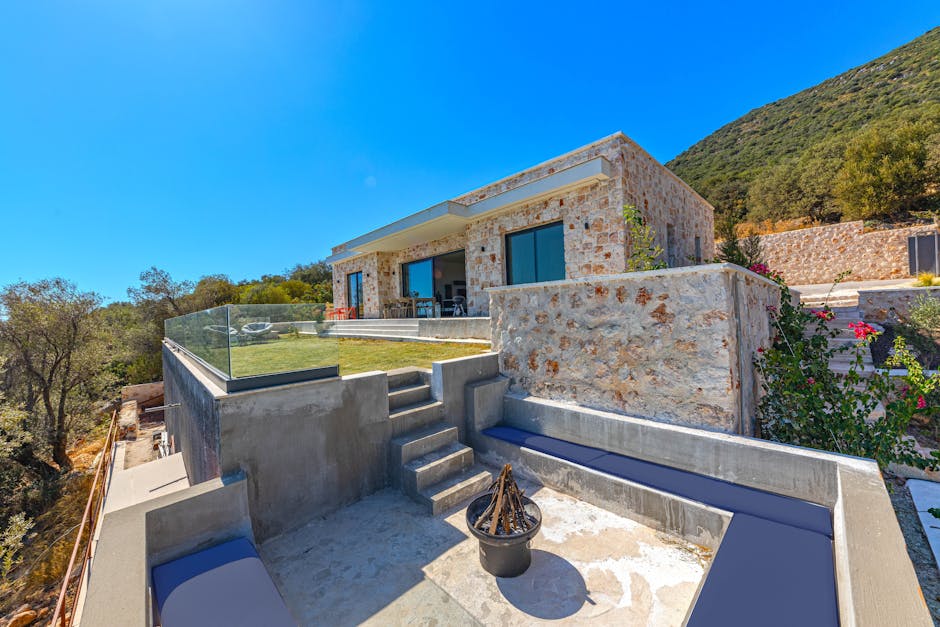
Are Self-Catering Cottages Worth It?
Absolutely, 100%. For families, self-catering is my top recommendation. You get space – separate bedrooms, a living area, and often a garden. This means early bedtimes for little ones don’t mean early bedtimes for everyone. You also get a kitchen. Being able to cook your own breakfast and pack lunches saves a fortune and gives you control over fussy eaters. You can expect to pay anywhere from £150-£300 per night for a decent family cottage, depending on size and location. Look for places with washing machines; mud is inevitable.
What About Hotel Kids Clubs?
Honestly, they are rare in the Highlands, especially outside of major resorts like Crieff Hydro (which isn’t deep in the Highlands) or some larger hotels in Inverness. Don’t plan your trip around finding one. Most hotels are family-friendly in terms of offering family rooms or cots, but structured kids’ activities are not a given. If you want that kind of amenity, you’ll need to seek out specific larger hotel chains or holiday parks that advertise it clearly. I find family hotels generally cost more than self-catering (often £100-£250 per night for a family room, without the kitchen convenience).
Glamping with Toddlers: Good Idea?
This is a definite ‘it depends.’ For me, with toddlers, it’s a no. Too much faff. You’re still essentially camping but in a fancier tent or pod. Heating can be hit or miss, and bathroom facilities are often shared. For older kids (8+) who enjoy the novelty and don’t mind a bit of roughing it, glamping can be a fantastic, memorable experience. Think pods near Loch Lomond or unique shepherd’s huts. Prices vary wildly, from £60 a night for a basic pod to £200+ for a luxury lodge tent. Just manage your expectations; it’s not a hotel.
Saving Money on Highland Adventures: Smart Choices I Learned
Here’s the brutal truth: the Highlands can get pricey if you’re not careful. My biggest money-saving tip? Pack your own lunches and snacks. Seriously. Even buying sandwiches for four people daily adds up fast. Look for cottages with kitchens, hit up a local supermarket on arrival, and embrace the picnic. National Trust for Scotland or Historic Environment Scotland memberships can also pay for themselves quickly if you plan to visit multiple castles or historic sites.
Navigating the Highlands with Kids: Driving Tips & Hidden Gems

Driving in the Highlands isn’t like driving in the city. It’s an integral part of the experience, but it requires patience. I’ve seen countless families get frustrated by travel times, and it all comes down to unrealistic expectations. Those winding A-roads and single-track routes mean slower progress, but also incredible views. Don’t try to push too far in one day.
Mastering Single-Track Roads: It’s All About the Passing Places
Many of the most scenic routes, especially heading west or onto the smaller peninsulas, are single-track roads. That means two-way traffic on a road wide enough for one car. Passing places are your best friends. If you see a car coming towards you, or if someone behind you wants to pass, pull into the nearest passing place (marked by a white diamond sign). Always pull left. If the passing place is on your right, you wait opposite it. It’s courteous, and it keeps traffic flowing. Don’t speed on these roads; sheep and deer are common, and blind bends are everywhere. Teach your kids to spot the passing places; it turns a potential frustration into a fun game.
Best Short Walks for Little Legs: Focus on Reward
Long, arduous hikes are out with young kids. Focus on short walks with a big payoff. Near Fort William, the short loop around the Steall Falls path in Glen Nevis is stunning, but parts can be muddy. The walk to the Fairy Pools on Skye (if you venture that far) is popular but can be long for toddlers; consider just doing the first pool or two. In the Cairngorms, the walks around Loch Morlich are flat, easy, and have a beautiful sandy beach. Also, don’t underestimate short nature trails provided by visitor centres. They are designed for accessibility and engagement. My top pick for easy access and beauty is the short forest walk to An Torr near Glencoe. It’s perfect for a quick stretch and some fresh air without committing to a mountain climb.
The Power of Local Visitor Centers: Your Best Resource
Every national park (Cairngorms and Loch Lomond & The Trossachs have excellent ones) and many local towns have visitor centres. Use them! They are goldmines of information. I always make a point of stopping at the first one I see. They have up-to-date weather forecasts, local maps (better than Google Maps for walking trails), advice on current conditions, and often suggestions for family-friendly activities that aren’t in the guidebooks. The staff are usually locals with invaluable insights. They can tell you if a particular path is too boggy after rain or if a specific wildlife viewing spot has been active. Don’t be too proud to ask; it saves time and prevents disappointment.