
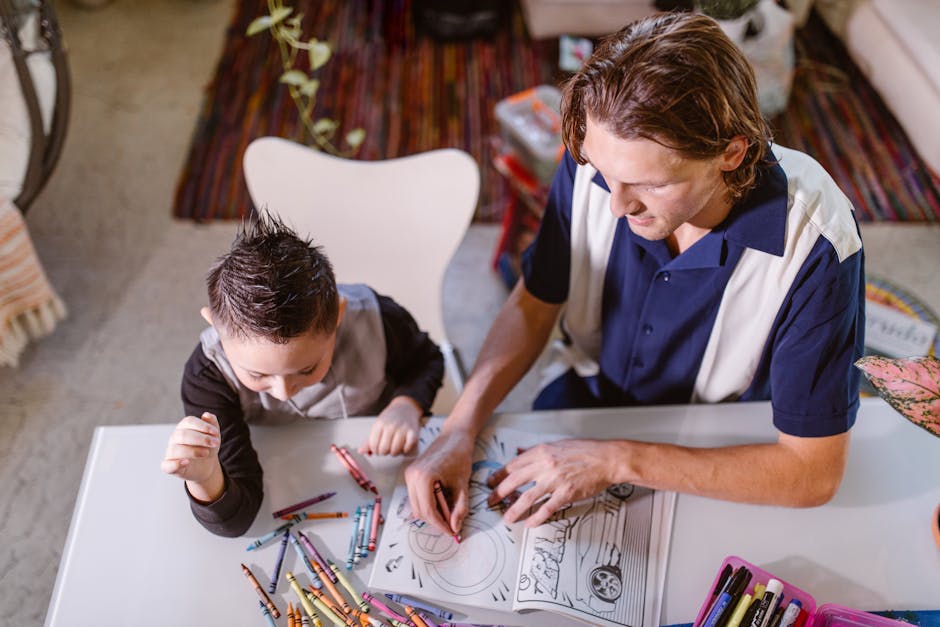
It’s pickup time from preschool. Three-year-old Leo is loudly demanding a specific red truck, elbowing another child out of the way to grab it first. His voice echoes through the classroom. His mom, flustered, quickly intervenes, handing him the truck and murmuring an apology to the other child. Meanwhile, four-year-old Maya quietly helps a smaller friend put away blocks, then waits patiently for her turn at the swings outside. In a world that often seems to reward the loudest, most assertive voices, how do we help our children develop Maya’s quiet compassion?
Raising kind kids can feel like an uphill battle. Everywhere we look, from social media to schoolyards, assertiveness often takes center stage. But genuine kindness isn’t about being a doormat; it’s about deep empathy, respect, and the courage to act with compassion. It’s a superpower. This guide explores the most effective approaches to cultivating that superpower, focusing on strategies that build lasting character, not just polite behavior.
What to Look For: Traits of Truly Kind Parenting Approaches
Effective parenting for kindness isn’t about imposing rules; it’s about building a foundation of understanding and connection. When we evaluate different approaches, we look for those that prioritize the child’s internal moral compass over external compliance. These strategies recognize that kindness is a skill, developed through practice and observation, not just innate good nature.
The Foundation of Responsive Parenting
Responsive parenting is a cornerstone. It means you’re attuned to your child’s needs, emotions, and developmental stage. This isn’t about spoiling. It’s about building a secure attachment where a child feels seen, heard, and understood. When children feel secure in their own emotions, they are better equipped to understand and respond to the emotions of others. Imagine a toddler tantrum: a responsive parent doesn’t ignore it or punish it. They acknowledge the big feelings, saying, “I see you’re really frustrated that the block tower fell. That’s hard.” This validates the child’s experience, teaching them that all emotions are okay, which is critical for empathy. Without this emotional safety net, children often struggle to extend empathy outwards because their own emotional needs feel unmet.
Prioritizing Connection Over Control
Many traditional parenting models focus on control: obedience, strict rules, and immediate compliance. While structure is important, an overemphasis on control can stifle a child’s intrinsic motivation to be kind. Instead, truly effective approaches prioritize connection. This means engaging in meaningful conversations, spending dedicated one-on-one time, and allowing for collaborative problem-solving. When you connect with your child, you build trust. This trust encourages them to internalize your values, rather than just performing for external approval. For example, instead of demanding a child share a toy with a sibling, a connection-focused parent might say, “I notice your brother really wants a turn with that train. How can we make sure you both get to play with it today?” This invites cooperation, not just compliance.
Nurturing Emotional Intelligence
Emotional intelligence (EQ) is the ability to understand and manage one’s own emotions, and to understand and influence the emotions of others. It’s directly linked to kindness. Parenting approaches that nurture EQ actively teach children to identify their feelings (“Are you feeling sad, angry, frustrated?”), express them appropriately, and then recognize those same emotions in others. This goes beyond simply naming feelings. It involves discussing scenarios, reading books about emotions, and reflecting on daily interactions. When a child sees another friend crying, an emotionally intelligent child can connect that observation to their own experiences of sadness, leading to a genuinely empathetic response like offering a hug or asking if they’re okay. This isn’t just “being nice”; it’s a deep understanding of human experience.
Common Mistakes: Pitfalls in Fostering Kindness

Even with the best intentions, parents can inadvertently make choices that hinder the development of genuine kindness. Recognizing these common missteps is the first step toward correcting course and building more effective strategies.
-
Over-Focusing on “Nice” Behavior vs. Empathy
A frequent error is prioritizing superficial niceness over deep-rooted empathy. We tell our kids to “be nice,” “say sorry,” or “share their toys.” While these behaviors are desirable, forcing them without teaching the underlying feeling can be counterproductive. A child who says “sorry” only because they’re told to hasn’t learned empathy; they’ve learned to comply to avoid trouble. True kindness comes from understanding how their actions affect others. Instead of demanding an apology, guide them to understand the impact: “When you grabbed Leo’s toy, he looked very sad. How do you think that made him feel?” This shifts the focus from rote behavior to emotional understanding.
-
The Trap of Performance-Based Rewards
Many parents use sticker charts or other extrinsic rewards for “being kind.” While these can sometimes motivate new behaviors, they often fail to cultivate intrinsic motivation for kindness. Children learn to perform for the reward, not because they genuinely care. When the reward is removed, the behavior often stops. Imagine rewarding a child with a toy every time they share. They learn to share for the toy, not the joy of sharing or the connection it brings. For kindness to be authentic and sustained, it needs to come from within. Focus on praising the effort and the positive impact of their actions: “I noticed you helped your sister with her puzzle; that was so thoughtful of you. I bet she really appreciated your help.”
-
Ignoring the “Why” Behind Challenging Behaviors
When a child acts unkindly – hitting, yelling, refusing to share – our first instinct is often to correct the behavior directly. However, these actions are frequently symptoms of unmet needs or big emotions the child doesn’t know how to express. Punishing the behavior without addressing the underlying cause is like treating a fever without knowing if it’s a cold or something more serious. A child who hits might be overwhelmed, frustrated, or seeking attention in the only way they know how. Ignoring the “why” means we miss an opportunity to teach coping skills and emotional regulation. Instead, pause and investigate: “You hit your brother. I won’t let you hurt him. What was happening right before you hit? What were you feeling?” This helps identify the trigger and offers a chance to teach a different response.
Recommending Core Strategies: The Connection-First Model
For parents serious about raising kind, empathetic children, I strongly recommend adopting a Connection-First Model. This approach prioritizes the parent-child bond and emotional understanding over punitive measures or rigid control. It’s not about being permissive; it’s about being deeply engaged and responsive. This model recognizes that children learn kindness best when they experience it themselves.
Active Listening as a Daily Practice
One of the most powerful tools in the Connection-First Model is active listening. This means giving your child your full attention, hearing their words, and acknowledging their feelings without judgment or immediate solutions. When your child talks about a conflict at school, instead of jumping in with “You should have done X” or “Just ignore them,” try reflecting their feelings: “It sounds like you felt really angry when your friend took your pencil.” This helps them feel understood, process their emotions, and often, arrive at their own solutions. Active listening builds the trust necessary for them to come to you with bigger issues later on. It also models the very act of paying attention to another person’s experience, a core component of empathy.
Collaborative Problem-Solving Techniques
When conflicts arise – whether between siblings or with friends – the Connection-First Model advocates for collaborative problem-solving. This means involving your child in finding solutions, rather than dictating them. Start by clearly stating the problem without blame: “We have two kids who both want to play with the same toy right now.” Then, invite ideas: “What are some ways we could solve this so everyone feels okay?” You might be surprised by their creativity. This approach teaches negotiation, compromise, and the understanding that solutions should work for everyone involved. It moves beyond simple fairness to mutual satisfaction, a far more complex and empathetic skill. Tools like a timer for sharing, or taking turns being the “leader” in a game, often come from these collaborative discussions.
The Power of Apologies and Repair
In the Connection-First Model, apologies are not forced. They are a natural part of repairing a relationship after harm has been done. If a child has been unkind, the focus shifts from a quick “sorry” to understanding the impact and making amends. This often involves three steps: acknowledging what happened, expressing remorse for the impact, and suggesting a way to make it right. For instance, if a child accidentally knocks over another’s block tower, the parent might guide them: “You knocked over Liam’s tower. How do you think he feels? What could you do to help him feel better?” This could be helping to rebuild, offering a hug, or giving him a turn with a favorite toy. This process teaches true responsibility and the restorative power of making things right, a fundamental aspect of kindness.
Comparing Approaches: Traditional vs. Empathetic Responses to Conflict

How we respond to our children’s conflicts and challenging behaviors directly shapes their understanding of kindness. Let’s look at two distinct approaches: a more traditional, authority-driven method versus an empathetic, connection-focused one.
| Scenario | Traditional Response | Empathetic, Connection-First Response |
|---|---|---|
| Child takes a toy from another child. | “Give that back! You know you have to share. Say sorry to your friend right now.” (Focus on rule, forced apology) | “I see you really want that toy, but your friend was playing with it. How do you think they feel? Let’s ask them if you can have a turn soon.” (Focus on impact, perspective-taking, future solution) |
| Child hits a sibling in anger. | “Go to your room! No hitting! You’re grounded from TV for an hour.” (Focus on punishment, isolation) | “Hitting hurts. I won’t let you hurt your brother. You seem really angry. Can you tell me what happened? Let’s find a safer way to show that anger.” (Focus on boundary, emotion identification, alternative coping) |
| Child refuses to help with chores. | “If you don’t help, you won’t get screen time. You’re being unhelpful.” (Focus on consequence, shaming) | “We all need to help to keep our home tidy. It helps everyone. What part of the chore list do you think you could manage today?” (Focus on shared responsibility, collaboration) |
| Child makes a mean comment to a peer. | “That wasn’t nice! You need to apologize immediately. What would your teacher say?” (Focus on social rules, external authority) | “When you said that, I noticed your friend looked sad. Words can really affect people. How do you think your words made them feel? What could you say to make it better?” (Focus on impact, personal responsibility, repair) |
Scenario-Based Empathy Training
The table highlights a critical difference: the empathetic approach uses conflicts as opportunities for teaching. It’s a form of scenario-based empathy training. Instead of just stopping the unwanted behavior, we walk the child through the emotional landscape of the situation. We ask questions that prompt reflection: How do they feel? How would you feel? What could we do differently next time? This moves beyond a simple “right or wrong” judgment to a nuanced understanding of human interaction. It’s a longer, more involved process than a quick punishment, but the long-term gains in a child’s capacity for genuine kindness are immeasurable. It teaches them to pause, consider, and respond thoughtfully, rather than react impulsively.
FAQs on Implementing Kindness at Home
Even with the best strategies, specific situations often leave parents wondering how to best respond. Here are answers to some common questions about fostering kindness and empathy in daily life.
How do I teach my child to share without forcing them?
Forcing a child to share often backfires, creating resentment rather than generosity. Instead, focus on turn-taking and mutual respect. Start by acknowledging their ownership: “That’s your toy, and you get to decide when you’re done playing with it.” Then introduce the concept of turns: “When you’re finished, perhaps your friend would like a turn. We can use this timer (like the Time Timer MOD, around $25) to help everyone get a fair chance.” It helps kids see that giving up a toy doesn’t mean it’s gone forever. Also, model sharing yourself. Share your snacks, your time, or your possessions. Talk about how good it feels to share. The goal is to cultivate a desire to share, not just compliance.
What if my child is being unkind to me or siblings?
When a child is unkind to family members, it can feel deeply personal. However, it’s crucial to remember that this is often a cry for help, attention, or a sign of overwhelmed emotions. First, set clear boundaries: “I won’t let you speak to me that way. That hurts my feelings.” Then, calmly address the underlying issue. If it’s a sibling, separate them if necessary to cool down. Later, a conversation where each child can express their feelings without interruption. For example, using “I” statements: “I felt angry when you took my block tower.” Then guide them toward a solution. The emphasis is on repairing the relationship, not just punishing the infraction. Remember, children learn how to treat others by how we treat them and how we model conflict resolution.
How much intervention is too much when kids are resolving conflicts?
This is a delicate balance. Too much intervention can prevent children from developing their own conflict-resolution skills. Too little can lead to escalation and hurt feelings. A good rule of thumb is to intervene when physical harm is imminent, when a child is clearly distressed and unable to cope, or when a power imbalance makes fair resolution impossible (e.g., an older child bullying a younger one). Otherwise, try to observe first. If they’re struggling, offer scaffolding questions: “What’s the problem? What ideas do you have to solve it? How does that make you both feel?” Step back when they show signs of engaging in constructive dialogue, even if the solution isn’t perfect. The goal is to empower them to solve problems, not to solve them for them.
The Unseen Benefits: Why Kindness is a Superpower
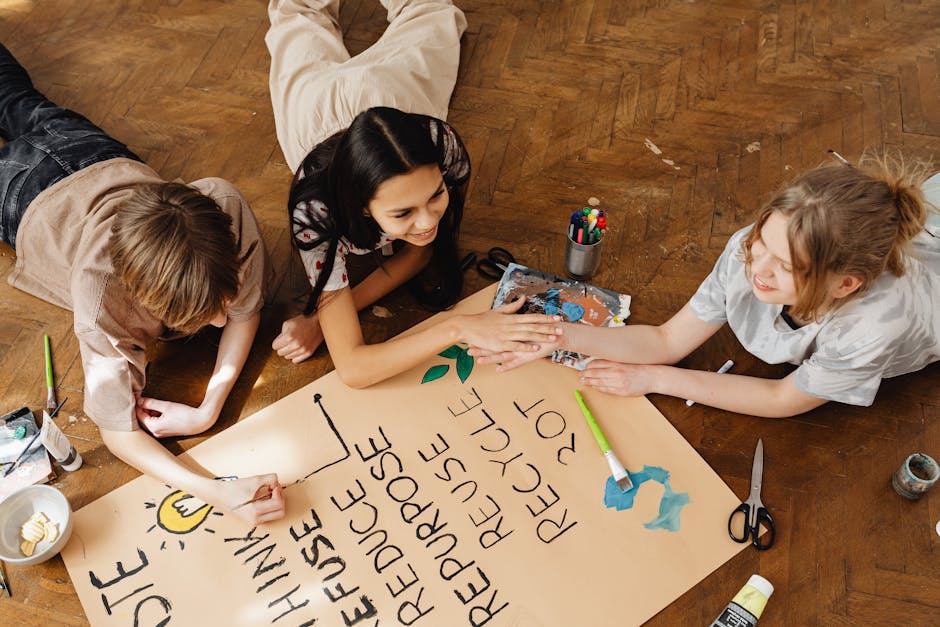
Ultimately, investing in kindness pays dividends far beyond polite behavior. Kind children tend to have stronger, more meaningful friendships. They navigate social challenges with greater resilience and compassion. They are more adaptable, better problem-solvers, and surprisingly, often more confident in their own skin. In a world that often measures success by loudness or individual achievement, genuine kindness stands out. It’s the quiet strength that truly makes a difference, both for the individual child and for the communities they will build.
So, the next time you’re at preschool pickup, and you see a child like Leo loudly demanding attention, remember Maya. She isn’t just a quiet child; she’s a child with a cultivated inner compass, guided by empathy and consideration. By intentionally adopting connection-first strategies, focusing on emotional intelligence, and teaching repair over mere compliance, we can all help our children grow into Mayas, ready to extend their quiet, powerful kindness to the world around them.