
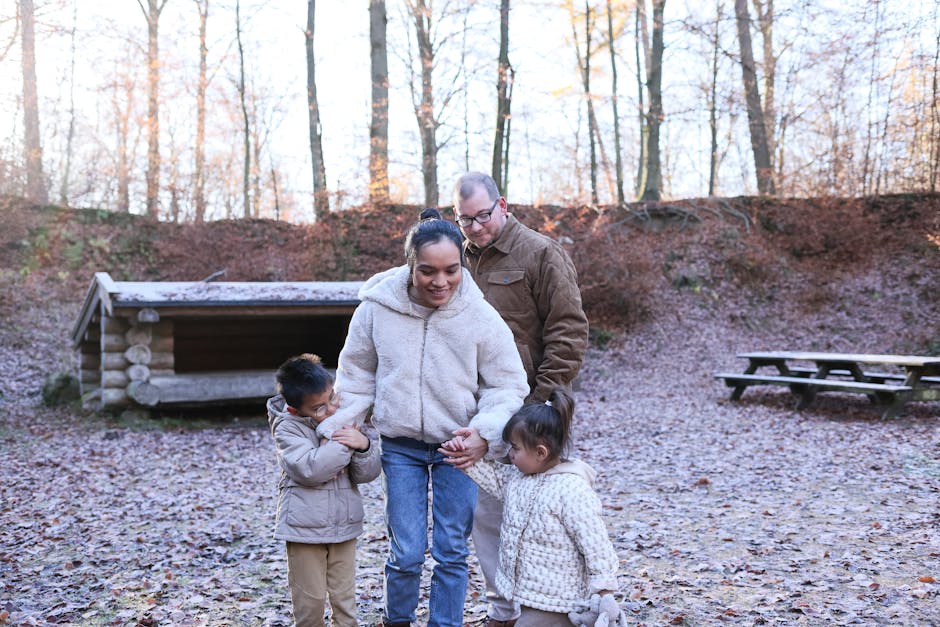
So, you want to take your kids to Lapland to see the Northern Lights? It’s not just another vacation. This trip demands serious planning, especially when you’re dealing with sub-zero temperatures and the fickle nature of the aurora. Don’t just book tickets and hope for magic; that’s a direct route to misery and disappointment. You need a battle plan.
Timing Your Trip for Maximum Aurora Odds
Seeing the Northern Lights is never a guarantee. It requires clear skies, darkness, and significant solar activity. You need to stack the deck in your favor, and that starts with timing. Get this wrong, and you’re just paying a lot of money to be cold in the dark.
When the Aurora is Strongest
The prime window for seeing the aurora in Lapland is from late autumn (September) through early spring (March). The absolute darkest months are November, December, January, and February. That’s when you get the most hours of darkness, which is critical. Forget summer; it’s too bright. While solar activity cycles play a role (peak every 11 years), within any given year, darkness is your primary driver. Aim for those deep winter months if aurora is your absolute priority.
Balancing Light and Dark for Kids
Pure darkness sounds great for aurora, but it’s tough on kids. They need daylight for activities to burn off energy. A trip purely focused on dark nights can lead to cabin fever and restless children. Consider late January through early March. You still get plenty of darkness for aurora viewing, but the days are noticeably longer, allowing for more daytime activities like sledding or exploring. December, while festive with Santa, has very short days and often high prices due to peak season demand. Don’t compromise your kids’ sanity for an extra hour of darkness.
Avoiding Peak Season Crowds
Christmas and New Year’s are chaotic in Lapland. Expect inflated prices for flights, accommodation, and activities. Everything is booked solid, and you’ll spend more time waiting in lines than enjoying the experience. If your goal is a serene Northern Lights experience with your family, avoid this period. Late January or February, after the holiday rush, often offers better value and fewer crowds. Early March is also good, with slightly milder temperatures and still excellent aurora potential.
Gear Up: Don’t Skimp on Cold-Weather Clothing
This is not a suggestion; it’s a mandate. Your biggest mistake, the one that will absolutely ruin your trip and your kids’ morale, will be underdressing. Lapland cold is not like a cold day at home. It’s bone-chilling, persistent cold that requires proper gear. Period.
Layering Basics for Arctic Conditions
Layering isn’t a buzzword here; it’s survival. You need three distinct layers: a base layer, a mid-layer, and an outer shell. The base layer, next to the skin, must be merino wool or a synthetic blend (think Smartwool or Helly Hansen). It wicks moisture. Cotton is a killer; it holds sweat and makes you freeze. The mid-layer is insulation – fleece or down (Patagonia Synchilla or Columbia fleece jackets are good). This traps warm air. The outer shell is your fortress: waterproof and windproof (Arc’teryx or The North Face are solid, reliable choices). This protects against snow and wind, which amplify the cold dramatically. Don’t skip any of these.
Essential Outerwear: Brands That Deliver
For kids, a single, insulated snowsuit rated for -20°C to -30°C is often the best. Look for Scandinavian brands like Reima or Didriksons; they know arctic conditions. These suits cover everything and minimize gaps for cold air to sneak in. For adults, a high-quality, insulated winter parka is non-negotiable. Brands like Canada Goose or similar high-fill-power down jackets are designed for this. Get insulated snow pants. Mittens are warmer than gloves for everyone, especially kids, because fingers share warmth. Ensure they are waterproof. A balaclava or a warm hat that covers ears and forehead is critical. Frostbite is a real risk.
Footwear: Your Kids’ Feet Depend On It
Cold feet will end your outdoor excursions faster than anything else. You need proper winter boots, rated for at least -25°C. Brands like Sorel, Baffin, or Kamik are reliable. They must be insulated, waterproof, and large enough to accommodate thick merino wool socks without compressing the foot. Compression reduces insulation. Don’t buy cheap boots; you will regret it within an hour. Bring several pairs of wool socks per person. Wet socks are cold socks, and kids will inevitably get snow in their boots.
Picking Your Lapland Base Camp: Rovaniemi vs. Remote
Where you choose to set up your base camp dictates everything from your convenience to your aurora potential and overall experience. It’s not a one-size-fits-all decision; consider what your family prioritizes.
| Location | Family-Friendliness | Aurora Potential | Cost | Main Draw | Key Considerations |
|---|---|---|---|---|---|
| Rovaniemi | High | Moderate | Moderate-High | Santa Claus Village, urban conveniences | Light pollution, less “wilderness” feel, easily accessible |
| Levi/Ylläs | High | Good | High | Skiing, resort amenities, fewer city lights | Excellent for active families, good services, can be pricey |
| Inari/Saariselkä | Moderate | Excellent | Moderate-High | Deep wilderness, Sámi culture, glass igloos | More remote, fewer direct flights, focused on nature/aurora |
Rovaniemi’s Family Appeal
Rovaniemi is the capital of Lapland and home to Santa Claus Village. For families with young children, this is often the easiest entry point. Flights are direct, accommodation options are plentiful, and there are many tour operators. The downside? More light pollution, which reduces your aurora visibility from within the city. You’ll need to drive or join tours to darker areas. It’s also the most commercialized, sometimes feeling less like a pristine wilderness and more like a theme park town. However, for sheer convenience and guaranteed Santa access, it’s hard to beat.
Wilderness Lodges for Serious Aurora Hunters
If aurora is your absolute top priority and you’re willing to sacrifice some convenience, consider more remote locations like Inari or Saariselkä. These areas have significantly less light pollution and offer a more authentic wilderness experience. Many lodges, including those with glass igloos, are designed for aurora viewing directly from your accommodation. Be aware: these can be pricier, and transport from airports is often an added cost and time commitment. Activities might be more limited to nature-based options, which is fine if your kids are into that, but less ideal if they need constant entertainment. Kakslauttanen Arctic Resort or similar establishments offer unparalleled aurora opportunities but demand a higher budget and often complex logistics.
Kid-Friendly Activities Beyond the Aurora Chase
You can’t just sit around waiting for the Northern Lights. That’s a surefire way to have bored, cold kids. Lapland offers plenty of daytime magic, but choose wisely and manage expectations.
Santa Claus Village: A Non-Negotiable Stop
Look, it’s touristy. It’s crowded. It’s probably going to be expensive. But you’re in Lapland with kids. You have to go to Santa Claus Village in Rovaniemi. Period. Your kids will remember meeting Santa on the Arctic Circle forever. Plan a full day. Buy the photo package; it’s part of the experience. Cross the Arctic Circle line, send postcards from Santa’s Post Office. Embrace the commercialism for one day. It’s worth the smiles. Just don’t expect it to be a quiet, serene experience.
Husky and Reindeer Sledding: Manage Expectations
Husky safaris are usually a huge hit. The dogs are incredibly enthusiastic, and the ride is exhilarating. Book these well in advance; they sell out fast. Pay attention to age and weight restrictions. Reindeer rides are much slower and more serene. They offer a taste of traditional Sámi culture but can be a bit too slow for very active kids. For both, dress for extreme cold; you’ll be sitting still for extended periods. Expect to pay a premium. A 2-3km reindeer ride is often enough for younger kids; a 5-10km husky safari is generally good for all ages if they are bundled up correctly.
Snowmobiling and Ice Fishing for Older Kids
Snowmobiling can be a blast, but typically only adults can drive. Many tours offer passenger sleds for children, often with a minimum age of 4-12 years depending on the operator. Confirm this beforehand. For younger kids, a dedicated snowmobile sleigh ride might be better. Ice fishing is a more subdued activity. It involves sitting on a frozen lake, drilling a hole, and waiting. Some kids find it fascinating; others will be bored stiff within minutes. It’s an experience, but gauge your kids’ patience levels before committing. It’s best for older, more contemplative children. Consider it more for the experience of being on a frozen lake than for actually catching fish.
Managing Expectations and Maximizing Aurora Sightings
The Aurora Borealis is a natural phenomenon. It’s not a theme park ride you can schedule. Going into this trip expecting a spectacular display every night is setting yourself up for disappointment. Manage your expectations, and you’ll enjoy the trip whether the lights dance or not.
Understanding the Aurora Forecast
There are apps and websites that provide an aurora forecast, usually expressed as a Kp-index (0-9). Kp 0-2 is weak, often not visible to the naked eye. Kp 3 is a good chance for visible aurora, Kp 4+ is often strong. Use reliable sources like the My Aurora Forecast app or SpaceWeatherLive. Keep an eye on it daily. However, even a high Kp-index means nothing if the skies are cloudy. Clouds are your biggest enemy, more so than low solar activity. You need a clear, dark sky. Period. Don’t obsess over the forecast; use it as a guide, but be ready to pivot if conditions change.
Patience is Key (and How to Plan for It)
The aurora often appears for short bursts, or it might glow faintly for hours. It’s typically active between 9 PM and 2 AM. For kids, this means late nights. Plan for early bedtimes, mandatory naps during the day, and plenty of snacks. Choose accommodation where you can see the sky easily, or where it’s a short walk to a dark area. Don’t book an expensive aurora hunt every single night. One or two dedicated tours are enough. If conditions look good, you can step outside or drive a short distance. Be flexible. If one night is cloudy, maybe the next will be clear. Have backup plans for aurora-less nights: board games, hot chocolate, movie night. The experience of being in the Arctic is still profound, even without the lights.
Photography Tips for Kids (and Parents)
Capturing the aurora on camera is tricky. Your phone camera won’t cut it for impressive shots in true darkness. You need a camera with manual settings – a DSLR or mirrorless camera. A sturdy tripod is non-negotiable for long exposures. A wide-angle lens is ideal. Settings typically involve a high ISO (e.g., 1600-6400+), a wide-open aperture (f/2.8-f/4), and a long exposure time (10-30 seconds). Practice before you go. For kids, let them use a small flashlight (a red light is best as it preserves night vision) to draw shapes in the snow during your exposures, or just encourage them to look up and soak in the view. Don’t let chasing the perfect photo overshadow the actual experience of witnessing the aurora with your family.
The Reality of Traveling Arctic With Children
Look, a Lapland trip with kids for the Northern Lights isn’t a chill beach holiday. It’s demanding. It’s cold. It’s expensive. You’ll deal with tired, freezing children. But if you plan meticulously, dress them right, and manage everyone’s expectations for the aurora, it’s an epic, truly magical adventure they’ll never forget. It’s worth the effort, but only if you go in prepared. Anything less, and you’re asking for trouble.