
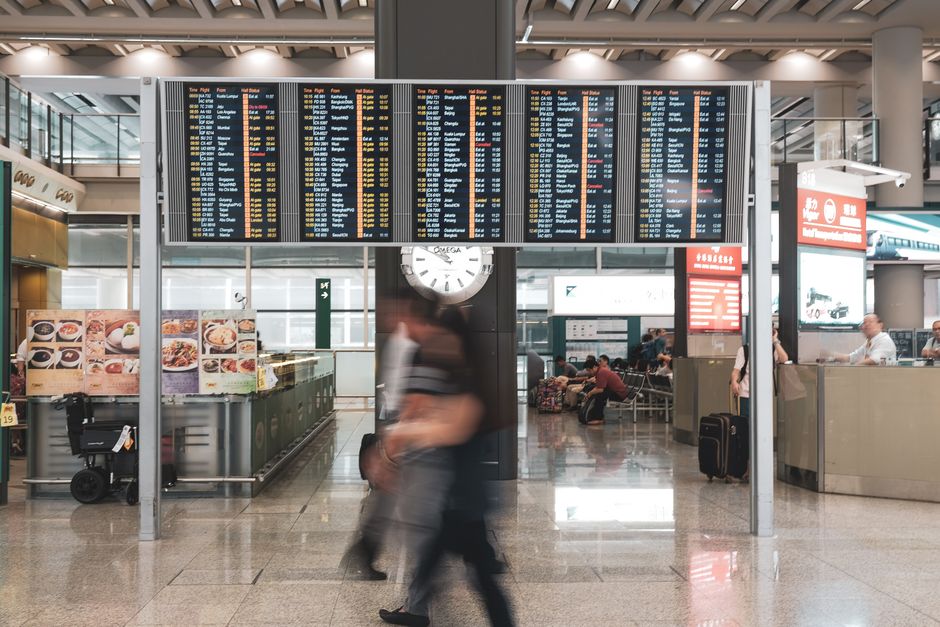
A family of four can create more than a dozen small airport problems before anyone reaches the gate: four boarding passes, multiple bags, coats, snacks, shoes, water bottles, bathroom requests, and one child who suddenly cannot remember where their backpack went. After years of December flights with kids, I have learned that the airport itself is rarely the main problem. The real trouble starts when adults try to make decisions while carrying too much, moving too fast, and answering three questions at once.
My strongest advice is simple: build a boring system before you leave home. Give each child one job, add more time than your normal airport routine requires, and plan for a delay before the first security line forms. That approach costs less than last-minute airport food, replacement chargers, or a missed connection.
Why December Airports Feel Harder With Kids
December airport stress comes from stacked delays, not one dramatic mistake. A security line may move normally, but a checked-bag queue, parking shuttle, restroom stop, and gate change can each add ten minutes. Adults often budget for the flight and forget to budget for transitions. Kids feel those transitions as long stretches of standing, sudden instructions, bright lights, unfamiliar bathrooms, and hunger that arrives without warning.
The hidden bottleneck is the transition
The slowest part of a family trip is usually the moment between tasks. You finish parking, then search for the stroller tag. You clear security, then discover that one child left a water bottle in the tray. You reach the gate, then walk back because somebody needs the restroom. Treat every transition as its own mini-trip. Before moving, count children, bags, and important documents out loud. It takes five seconds and prevents the silent loss that turns into a 30-minute search.
Kids need a visible sequence
Young travelers handle busy airports better when they know what comes next. I use a five-step script: car, check-in, security, gate, plane. I do not promise a specific snack, seat, or boarding time because airports change those details. I promise the sequence. A child can also carry a simple card with the next three steps written in large letters. This works better than repeating vague instructions such as “stay close” or “we are almost there.”
Do not schedule a tight connection just because the airline shows enough minutes on paper. A connection that works for one adult with a backpack can fail for a family that needs a bathroom, an elevator, and a walk to another concourse. For December travel, I choose the longer legal connection and accept the extra airport time. That choice feels dull at departure and brilliant when the first flight runs late.
What to Do Before Leaving Home

The best airport routine begins at the kitchen table, not at the terminal. My verdict: assign responsibilities before travel day, then remove as many decisions as possible from the morning.
Use a family departure checklist
- Check the airline app for the terminal, departure time, seat assignments, and baggage rules the night before.
- Put every passport, identification document, medication, and boarding pass in one adult’s personal bag.
- Pack one small child-accessible bag with a snack, empty drink bottle, headphones, wipes, and one quiet activity.
- Place coats and shoes where everyone can reach them without opening several suitcases.
- Write the airport arrival time on paper. Work backward from that time to set the alarm, leave the house, and reach parking.
- Tell children the rule for lost items: stop walking, stay in place, and ask a uniformed airport or airline worker for help.
Give every traveler one job
Jobs should match age, not wishful thinking. A preschooler can hold a stuffed animal and keep it in the same small bag. An elementary-age child can check that their backpack is zipped before each move. A teenager can watch the departure board and report gate changes to the group. One adult should own the documents, and another should own the physical count of children and bags. Shared responsibility sounds fair, but vague responsibility creates gaps.
Pack food that survives a delay and does not require a table. Crackers, fruit strips, sandwiches, and small cereal portions work better than anything that needs a knife or a quiet child. Avoid packing a new toy that has not been tested at home. A missing part, loud sound, or dead battery can create a fresh problem in a crowded gate area.
Finally, take a photo of the packed bags before leaving. The picture helps you remember which bag contains medication, chargers, or a child’s comfort item. It also makes a rushed repack after security much faster.
Which Travel Gear Earns Its Place With Kids?
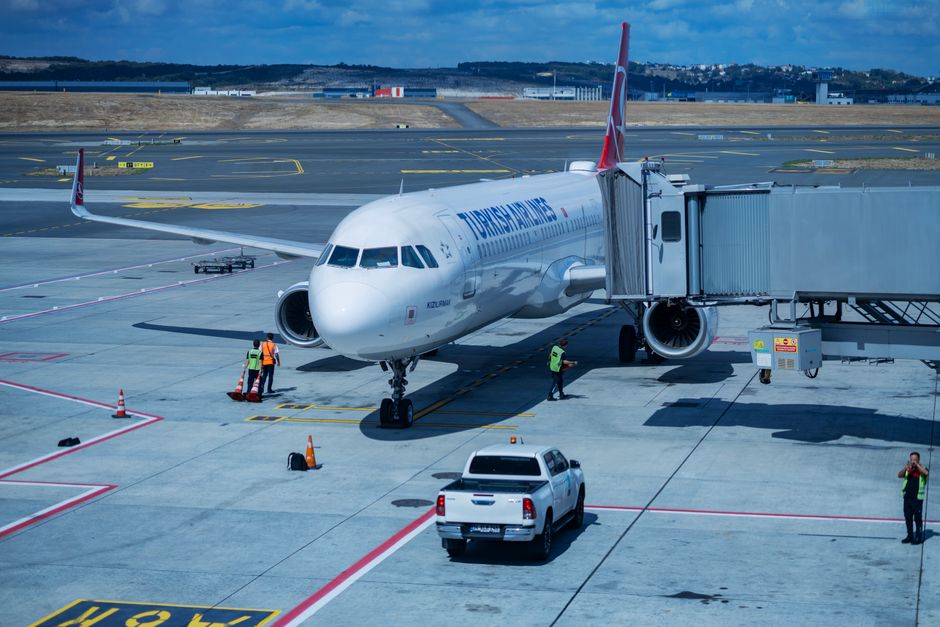
Buy gear that removes a repeated airport task, not gear that promises to make children magically patient. For most families, one tracker, one reliable power source, and one compact child bag are enough. I would skip expensive novelty luggage unless your child can manage it without adult help.
Track the items that create the biggest panic
The Apple AirTag costs about $29 and fits inside a checked suitcase or a child’s backpack; its replaceable coin-cell battery typically lasts about a year. The Tile Mate is often around $24.99 and works across a wider mix of phones through the Tile app. My pick for a family already using iPhones is the AirTag because the setup is quick and the location network is familiar. My pick for a mixed-phone household is the Tile Mate. Neither replaces a luggage tag with a phone number, and neither should be treated as a live guarantee inside a metal aircraft or baggage area.
Choose simple comfort gear
The Anker 323 PowerCore 10K is commonly priced near $25 to $35 and provides a practical backup battery for phones, though families must follow airline rules for carrying lithium batteries in cabin bags. The Stokke JetKids BedBox costs roughly $229.99 and has a ride-on design with about 20 liters of storage. I would buy the BedBox only for a child who can follow directions and ride safely in an airport; for a younger child or a tight budget, a normal backpack is the better choice.
Do not buy four separate gadgets to solve one problem. One family power bank can handle an emergency charge. One tracker on the bag most likely to disappear is more useful than a tracker on every small object. The right gear shortens a repeated task. If it adds batteries, charging cables, and another item to count, leave it at home.
What If the Airport Plan Breaks?

Assume something will go wrong and decide the response before the children are tired. The winning plan is not perfect timing; it is a clear next move.
What should we do if a child melts down?
Move away from the center of the crowd if possible, lower your voice, and stop asking open questions. Offer two choices: sit beside me or stand beside me; water or snack; headphones or quiet. Do not threaten to cancel the trip or demand an explanation while the child is overwhelmed. Once the body settles, continue with the next small step rather than reviewing the entire mistake.
What if a bag or document disappears?
Stop the family in one place and send only one adult to seek help. The other adult stays with the children and bags. Use the photo of the packed luggage, the tracker if you have one, and the airline app to give staff exact information. A child should never be sent alone to search, even inside a familiar terminal.
When should we refuse a risky connection?
Ask the airline for help when a delay leaves less time than your family needs to reach the next gate. Do not split the group without a clear adult assignment and confirmed seats. If the connection is impossible, protecting the children’s documents, medication, and sleep matters more than pretending the original schedule still works. A calm rebooking conversation at a service desk beats a frantic family sprint across the airport.
The December airport routine I trust is plain: arrive early, count people and bags at every transition, keep food and documents reachable, and give children a sequence they can understand. Once the plan breaks, shrink the problem to the next five minutes. That is usually enough to get everyone moving again.