

The average person spends 2.5 days per year searching for lost items. Imagine reclaiming that time. An organized home isn’t just about aesthetics; it’s about efficiency, peace of mind, and making your space work for you. True organization goes beyond tidying; it involves strategic planning and consistent habits. This guide breaks down the most effective strategies to truly declutter your home.
The KonMari Method Works, But It’s Not For Everyone
The KonMari Method, popularized by Marie Kondo, changed how many people approach decluttering. Its core principle—keeping only items that “spark joy”—is powerful. It forces a deep, emotional connection with your belongings, leading to a truly curated home. For many, this transformative process offers a fresh start, making them confront years of accumulated clutter head-on.
However, this method demands significant time and emotional energy. It requires sorting by category, pulling every item out, and making a decision for each one. This can be overwhelming. People with young children, demanding jobs, or those managing chronic illness often find the intensity of a full KonMari tidying festival simply unfeasible. It is an all-or-nothing approach that doesn’t always fit into modern, busy lives.
Moreover, the “spark joy” criterion can be challenging for practical items. Does a toilet brush spark joy? Probably not. You still need it. While Kondo addresses this by suggesting joy in its utility, the nuance can be lost. This method is best for those ready for a full-scale, introspective overhaul, but it’s not the only path to a tidy home.
Start with a “Why” (Motivation)
Before any organizing begins, ask yourself: Why do I want an organized home? Is it for peace of mind, to reduce stress, or to make entertaining easier? Understanding your core motivation fuels your efforts. Without a clear “why,” it’s easy to get sidetracked or give up when the process feels difficult. This foundational step helps you define your goals and keeps you focused on the long-term benefits rather than just the immediate task.
The “Tidy Up Once” Philosophy
Kondo’s belief is that if you properly tidy once, you won’t need to do it again. This is a bold claim, and while the initial decluttering is indeed thorough, life happens. New items enter the home, needs change, and daily maintenance is still essential. The idea is to create a system so robust that it minimizes future clutter. But daily habits and occasional purges remain crucial for long-term success. Think of it as building a strong foundation, not installing a self-cleaning house.
Beyond Sentimentality: Practicality First
While sentiment plays a role, practicality must often take precedence. Some items, while not sparking joy, are necessary. Focus on making these essential items accessible and efficient. For instance, kitchen utensils are purely functional. The goal here is to group similar items, store them close to where they are used, and ensure they are easy to retrieve and put away. This reduces friction in daily routines, making the organized system easier to maintain. Remember: declutter before you organize. There is no point in organizing items you do not need or use.
Maximize Vertical Space: Walls Are Your Best Organizers
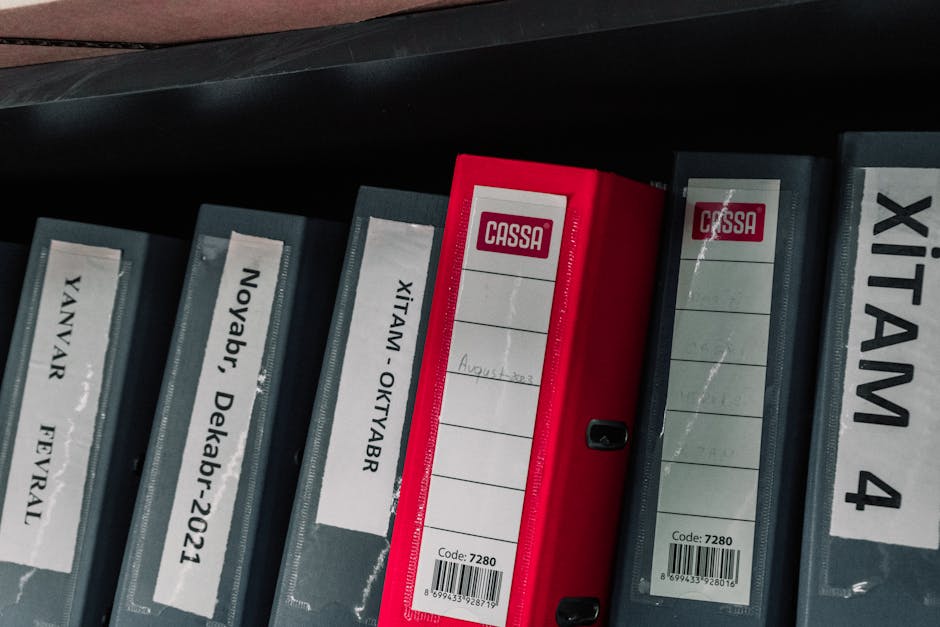
One of the most overlooked assets in home organization is vertical space. Most homes have abundant unused wall space, the backs of doors, and high shelves that can dramatically increase storage capacity. Thinking vertically transforms crowded surfaces into functional, aesthetic areas. This approach is especially critical in smaller homes or apartments where square footage is limited.
The key is to leverage the full height of your rooms. Instead of stacking items horizontally, which can create unstable and hard-to-access piles, extend your storage upwards. This frees up valuable counter space, floor space, and drawer space, making rooms feel larger and more open. It also makes cleaning easier, as fewer items sit directly on surfaces.
Consider the potential in every room. In a kitchen, walls can hold spices, pots, or even small appliances. In a bedroom, vertical shelving can house books, decorative items, or clothing. Even bathrooms benefit from over-toilet storage or narrow wall cabinets. Measuring your available vertical space accurately is the first step before investing in any solutions.
1. Wall-Mounted Shelving Systems
Wall-mounted shelves are foundational for vertical storage. Brands like IKEA offer versatile systems such as Kallax cube units, which can be oriented vertically, or the classic BILLY bookcases. For more robust or customizable options, Elfa shelving systems from The Container Store provide adjustable solutions for closets, pantries, and garages. These systems come in various materials, from particleboard to solid wood or metal, allowing you to match your home’s aesthetic. When installing, always use wall anchors appropriate for your wall type to ensure stability, especially for heavier items.
2. Door Organizers and Over-Cabinet Racks
The backs of doors are often prime real estate for storage. Over-the-door shoe organizers, for example, can hold not just shoes, but also cleaning supplies, craft items, or toiletries. For kitchens, over-cabinet door racks can store cutting boards, foil, or plastic wrap, freeing up drawer space. These solutions are generally easy to install, requiring no drilling, and can be easily moved. They offer immediate, accessible storage without permanent modification, making them ideal for renters.
3. Utilizing Dead Space in Closets
Closets often have significant dead space above hanging rods or on the floor. Add modular drawers or shelves beneath hanging clothes to store folded items, shoes, or accessories. Consider installing an additional hanging rod halfway up for shorter items like shirts or skirts, effectively doubling your hanging space. Slimline hangers, while not a vertical storage solution themselves, make more efficient use of the vertical space on your existing rods by compressing clothing more tightly. Don’t forget the space on the interior side of the closet door for belts, scarves, or jewelry.
Zone-Based Organization vs. Category-Based: Which Is Better?
When organizing, two primary methods emerge: category-based and zone-based. Category-based means grouping all similar items together, regardless of where they are used. Zone-based means storing items where they are actually used, creating functional “zones.” While category-based seems logical on the surface, zone-based organization often proves far more effective for daily living.
Understanding Zone Organization
Zone organization focuses on creating distinct functional areas within your home. For instance, all cooking-related tools and ingredients are stored in the “cooking zone” near the stove. All cleaning supplies might be in a “cleaning zone” under the sink or in a utility closet. This minimizes movement and friction. You aren’t storing all your batteries in one central spot only to walk to the garage, then the living room, then the bedroom to replace them. Instead, a small supply might be kept near electronics in the living room, another in the garage for tools, and a main stash in the pantry. This makes sense because it aligns with natural usage patterns. It creates mini-hubs of efficiency throughout your home, ensuring that what you need is always within arm’s reach when you need it.
The Pitfalls of Category Organization
Category organization, while appealing in its simplicity, often creates inefficiencies. If all your pens are in one box in the office, but you frequently write notes in the kitchen, you’re constantly fetching. If all your first-aid supplies are in the bathroom, but someone gets a cut in the living room, you’re traversing the house. This constant back-and-forth adds micro-tasks to your day, which accumulate into wasted time and frustration. It also often leads to duplicates because items aren’t readily available where they are needed, prompting new purchases. While some categories, like books or linens, might benefit from central storage, most everyday items are better served by a zone-based approach.
| Feature | Zone-Based Organization | Category-Based Organization |
|---|---|---|
| Primary Goal | Efficiency, accessibility, ease of use | Grouping similar items together |
| Storage Location | Where items are used | Centralized by item type |
| Daily Impact | Reduces friction, saves time, less searching | Can increase travel time, promotes duplicates |
| Best For | Everyday items, high-traffic areas, multi-use items | Specialized collections, infrequently used items, bulk storage |
| Example | Batteries in living room (remote), garage (tools), office (keyboard) | All batteries in one central drawer in the garage |
The Hidden Power of Container Consistency

It might seem like a small detail, but consistent containers are a cornerstone of effective home organization. Mismatched containers, whether they are old yogurt tubs, various sized plastic bins, or an assortment of cardboard boxes, create visual chaos. This visual clutter adds to cognitive load, making spaces feel less organized even when items are technically contained. More importantly, inconsistent containers are inefficient. They don’t stack well, they leave awkward gaps, and they make it harder to see what you have. This leads to wasted space and frustration every time you need to access something.
Investing in a cohesive set of storage containers, designed to work together, can fundamentally change how your home feels and functions. Think of systems from Muji with their modular PP storage units or The Container Store’s wide array of clear bins. These products are designed for stackability, uniform aesthetics, and clear visibility, which are all crucial for maintaining an organized space. When everything has a proper, consistent home, putting things away becomes second nature, and finding items is effortless. This visual order also reduces stress, contributing to a calmer home environment. It’s not just about appearances; it’s about creating a system that supports effortless daily living.
Why Matching Containers Matter
Matching containers bring immediate benefits. First, they create a sense of visual calm. When shelves or drawers are filled with uniform bins, the space instantly looks neater and more intentional. This aesthetic consistency is psychologically soothing. Second, and perhaps more critically, uniform containers maximize space. They are designed to stack perfectly or fit snugly side-by-side, eliminating wasted gaps between oddly shaped items. This means you can store more in the same footprint. Third, they simplify retrieval. When containers are consistent, you learn their placement and contents more quickly, reducing the time spent searching. Brands like Rubbermaid and Sterilite offer basic, consistent plastic solutions that are budget-friendly and effective for utility areas, while Muji’s minimalist designs excel in visible spaces.
Choosing the Right Materials
The material of your containers impacts both aesthetics and function. Clear acrylic or plastic containers are excellent for pantries and bathrooms, as they allow you to see contents at a glance, preventing overbuying and ensuring items are used before expiring. Opaque bins, often made from fabric, wicker, or solid plastic, are ideal for concealing clutter in living rooms, bedrooms, or offices. They provide a tidy exterior while hiding less attractive items. Metal bins or baskets are durable and add an industrial or rustic touch. Always consider the environment: moisture-resistant plastics for bathrooms, breathable fabric for linens, and sturdy options for garages. Choose materials that align with the items being stored and the room’s overall decor.
The Role of Labeling
Even with consistent containers, labeling is the final, essential step to organization. A beautifully organized pantry with opaque bins means nothing if you don’t know what’s inside each one. Labels eliminate guesswork and make it easy for everyone in the household to find and return items to their designated spots. Use clear, concise labels. Options range from simple adhesive labels to chalkboard labels, or even laminated tags for a more durable solution. For items with frequently changing contents, dry-erase labels or small whiteboards attached to bins work perfectly. The rule here is simple: if you can’t tell what it is at a glance, it needs a label. This step is crucial for maintaining your system, especially the “one in, one out” rule for managing new purchases.
A Daily Reset Is Your Most Powerful Habit

True organization is not a one-time event; it is a continuous practice. The single most impactful habit you can adopt is a daily reset. Dedicate 10-15 minutes each evening to putting things back where they belong. This small, consistent effort prevents clutter from accumulating and overwhelming your space. It ensures that you wake up to a tidy home, ready to face the day without the mental burden of yesterday’s mess. This simple routine is more effective than infrequent, massive tidying efforts.