
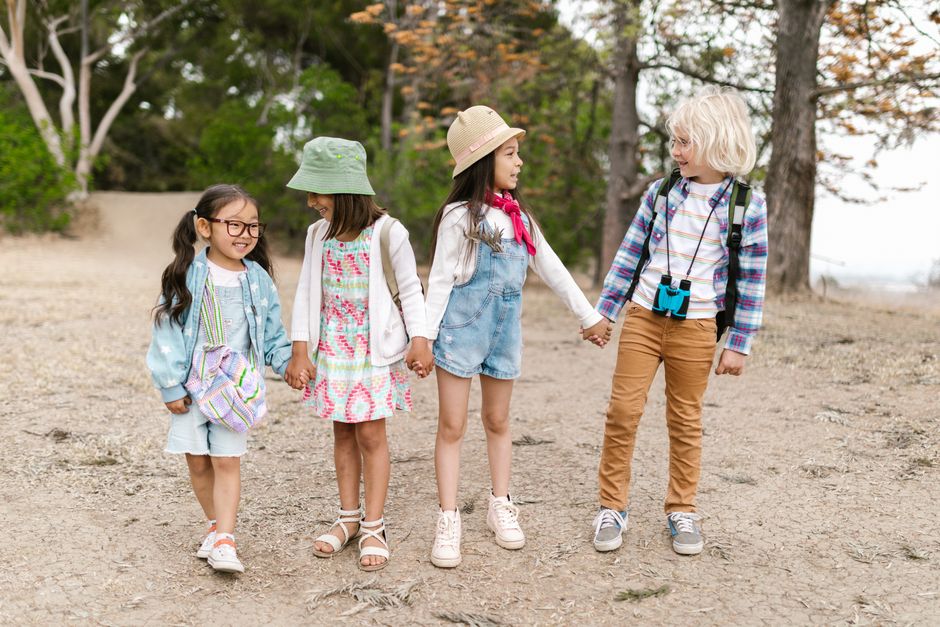
Start the routine before the sun disappears
Your child comes home at 4:15 p.m., drops a schoolbag by the door, and asks for a screen. By 4:45, the sky is dark, homework feels harder, and everyone is arguing about dinner. The fix is not a stricter lecture. It is a predictable sequence that begins as soon as your child arrives home.
Use light as the first signal
Turn on the main room light before the hallway becomes gloomy. Bright indoor light helps the home feel active, while a warm lamp later tells the body that the evening is slowing down. Keep the homework area near a window during daylight, then add a desk lamp when the page becomes difficult to read. Avoid making a child work in a dim room with a bright tablet. That contrast can cause eye strain and make the screen more tempting.
Keep the first 30 minutes simple
Use the same order each school day: shoes away, hands washed, small snack, water, and ten minutes of movement. Do not begin with homework unless your child has a late activity or a short deadline. This brief reset gives the brain a clear change from school to home. The best first goal is consistency, not a perfect timetable. On difficult days, keep only the snack, water, and movement steps.
Match the routine to the autumn and winter clock
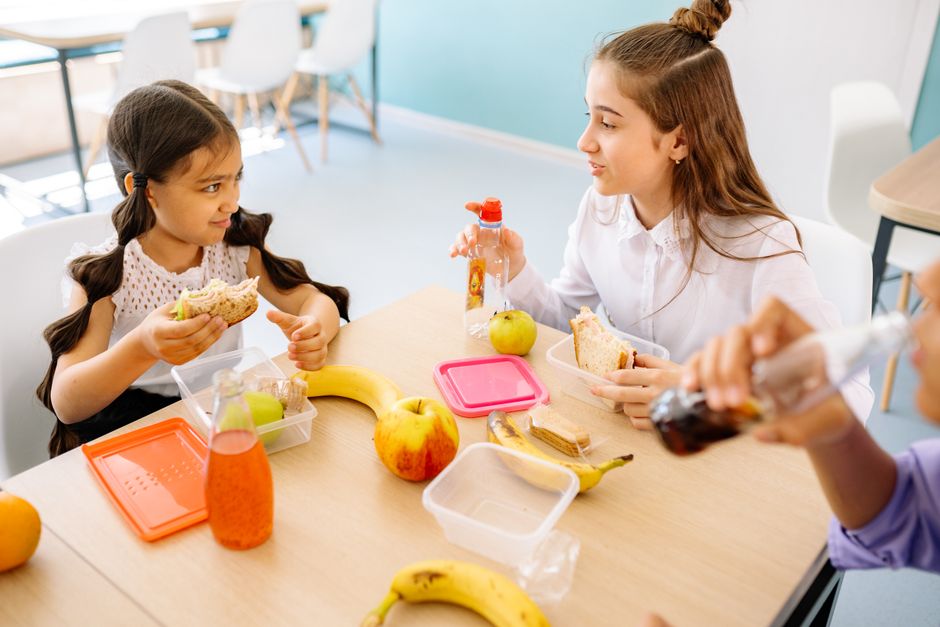
The right schedule depends on school finish time, sunset, dinner, and bedtime. A child who gets home at 3:30 needs a different plan from one who arrives at 5:00 after swimming lessons. Start with the fixed points, then place flexible tasks between them. The table below gives a useful school-night starting point for children aged six to twelve.
| Time | Routine step | Purpose |
|---|---|---|
| 3:30–3:45 | Arrive, wash hands, drink water | Marks the move from school to home |
| 3:45–4:00 | Snack with protein and carbohydrates | Reduces hunger-driven arguments |
| 4:00–4:20 | Outdoor play or indoor movement | Uses energy before seated work |
| 4:20–5:00 | Homework in 20-minute blocks | Protects attention without overloading the child |
| 5:00–6:00 | Free play, chores, or club activity | Keeps the evening from becoming work-only |
| 6:00 onward | Dinner, wash, reading, bed routine | Creates a steady path toward sleep |
Move the plan, not the bedtime
If sunset arrives earlier, shift outdoor play earlier when possible. Keep bedtime within the same 30-minute range each night. A later bedtime rarely solves winter tiredness; it often creates a harder morning.
Make the schedule visible
Print six steps on a card and place it beside the door. Pictures work well for younger children. Let older children set a phone or kitchen timer for each block, but keep the phone outside the homework area.
Give children outdoor movement before homework
Outdoor movement before homework is the strongest part of this routine. It breaks up the long school day, raises body temperature, and gives children a chance to talk before adults ask for concentration. Ten to twenty minutes can be enough. The activity does not need to be a sport, and it does not need to happen in sunshine.
Use a short, repeatable movement menu
Prepare three options: a walk around the block, a scooter ride on a safe route, or an indoor circuit with ten star jumps, ten wall pushes, and one minute of marching. Offer two choices instead of asking an open question. “Walk first or movement circuit first?” is easier to answer than “What do you want to do?” On wet days, open curtains, switch on a bright room light, and use the hallway for active games. Keep the circuit under fifteen minutes so it does not turn into another negotiation.
Handle darkness and bad weather safely
Use a reflective strip on a coat or bag, stay on familiar paths, and avoid roads without pavement. For a short walk, the Decathlon Quechua HL100 headlamp, an 80-lumen children’s model priced at about $14.99 in the United States, gives useful visibility. It is not a substitute for adult supervision or safe clothing. Skip outdoor play if ice, storms, poor visibility, or unsafe traffic makes the route risky. Movement indoors still supports the routine.
Run homework in short blocks with a clear stopping rule
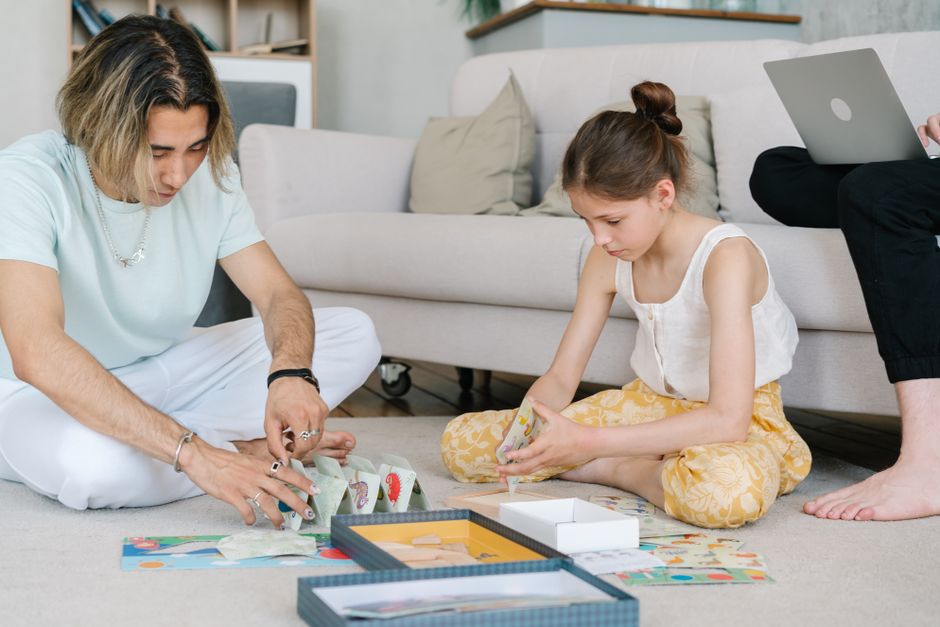
Homework becomes harder when children are hungry, cold, or unsure how long the task will last. Use a visible stopping rule instead of repeated reminders. The aim is steady work, not an evening spent at the table.
Follow these four steps
- Choose one task. Put every other book and device away.
- Set a 20-minute timer. Younger children may need ten- or fifteen-minute blocks.
- Take a five-minute break. Stand up, drink water, and look away from the page.
- Check the finish line. Stop after the assigned work is complete or after the time agreed with the teacher.
The free Focus Keeper app on iOS can run a 25-minute work period and a five-minute break, but a cheap kitchen timer works just as well. For younger children, use a visual timer that shows time shrinking rather than a phone. Place the timer where the child can see it.
Protect the end of the session
Do not add extra worksheets because the child finished quickly. Ask the child to pack the schoolbag, put completed work in the correct folder, and name the first task for tomorrow. This prevents the common failure where homework is technically finished but the morning starts with a missing permission slip or book.
Why are kids more tired after school in winter?
Winter tiredness usually comes from several small changes rather than one mysterious cause. Morning darkness can make waking harder, school days still demand the same effort, and children may spend less time outside after class. A routine helps by placing light, food, movement, and rest in a reliable order.
Should a tired child nap?
A short nap can help a preschool child, but regular long naps after school often push bedtime later for school-age children. For a six- to twelve-year-old, try quiet reading, drawing, or a warm snack first. If the child falls asleep often, snores loudly, struggles to wake, or remains exhausted for several weeks, speak with a healthcare professional. A routine cannot fix every sleep or health problem.
What if my child refuses the routine?
Keep the first version to three steps: snack, movement, then homework or quiet play. Give one small choice at each transition, such as apple or toast, walk or indoor game. Hold the order steady for a week before changing it. Do not remove every enjoyable activity as a punishment. The routine works best when it feels like a map through the evening, not a test the child can fail.
Avoid the five mistakes that make dark evenings worse
The most common mistake is trying to solve seasonal tiredness with more pressure. Children need a clear rhythm, but they also need enough food, light, movement, and recovery time. These are the problems to fix first.
Do not turn the house into a bright screen zone
A tablet in a dark room can become the loudest visual signal in the home. Keep screens in a lit shared room, lower brightness after dinner, and stop recreational screens at least 30 to 60 minutes before bed. The Philips Hue White Ambiance A19 bulb provides 800 lumens and adjustable colour temperature from 2200K to 6500K; its typical US price is about $24.99. It can help create separate bright and calm lighting scenes, but it cannot replace a consistent bedtime.
Do not buy equipment before fixing the sequence
The Hatch Rest 2nd gen, usually listed near $69.99, combines a night-light and sound machine. It may help a younger child follow a wake-up signal, but it is unnecessary if a normal lamp and an adult-set rule already work. The Google Nest Mini 2nd gen, with a $49.99 list price, can announce timers, yet it adds a voice assistant to a child’s room. Choose the simplest tool that solves the actual problem.
- Do not delay dinner until everyone is irritable.
- Do not schedule intense exercise right before bed.
- Do not change bedtime by an hour on every dark, tiring day.
Keep the routine portable for winter travel
A family trip can disrupt the after-school pattern even when there is no school. The same method works after a day of sightseeing, a visit to relatives, or a long train journey: light, food, movement, quiet work or reading, then sleep. Pack the sequence rather than a large collection of equipment.
Use three portable anchors
First, carry a familiar snack and water bottle so hunger does not decide the evening. Second, take a small book, drawing pad, or downloaded audiobook for the quiet block. Third, keep the usual bedtime order: wash, pyjamas, story, lights out. A child does not need the same bedroom, but familiar steps reduce arguments in a hotel or holiday rental.
Return to normal after the trip
When home, restart the usual wake time and after-school order on the next school day. Do not compensate for travel by allowing a very late morning if school begins soon. Expect one or two uneven evenings. Keep the language calm and specific: “Snack, ten minutes of movement, then your reading.” The single most important takeaway is to start the same short routine as soon as your child gets home, before darkness and fatigue take over.