
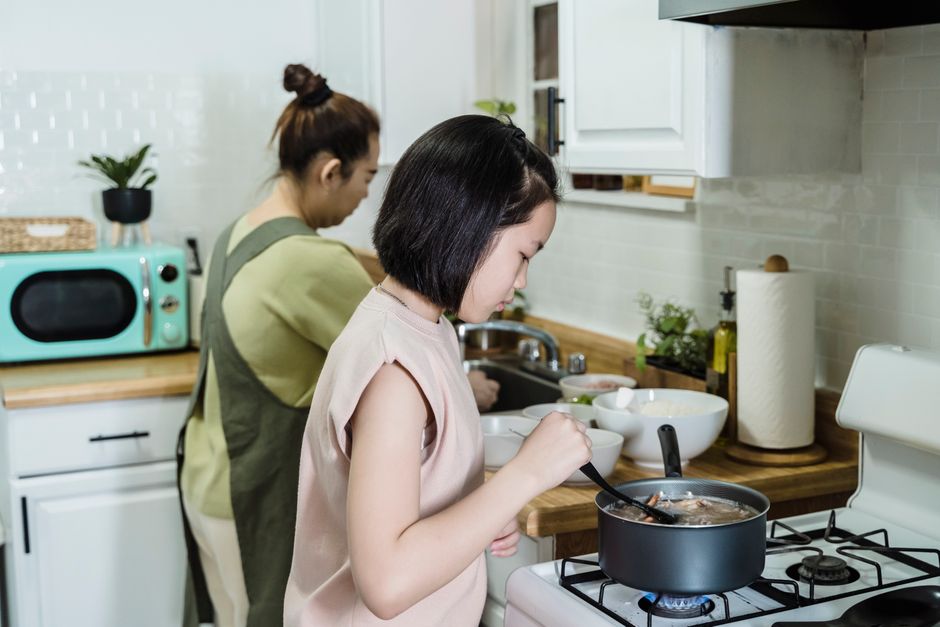
The best minimalist living kitchen is not an empty room with one wooden bowl on the counter. It is a kitchen that lets your family cook, eat, clean, and leave without fighting a pile of objects first. The fastest route is a seven-day reset built around limits: fewer duplicates, clear storage homes, and one short closing routine each evening.
Start with a kitchen limit, not a shopping list
A minimalist kitchen works because it controls volume. New containers, racks, and gadgets cannot solve a storage problem caused by owning more tools than your household can use. Begin with a simple rule: every item must earn its space by saving time, replacing another item, or supporting a meal you actually cook.
Set the capacity limit
Choose one drawer for cooking utensils, one shelf for food containers, and one cabinet for pans. The space becomes the limit. If the container shelf is full, a new box requires an old box to leave. This keeps the system stable after the first clear-out. Give children one low shelf for cups, plates, and snack bowls so they can help themselves without opening every cabinet.
Remove duplicates first
Take out duplicate peelers, travel mugs, water bottles, serving spoons, and plastic tubs. Keep the best version of each item and test that choice for a week. A family of four rarely needs twelve everyday mugs, six vegetable peelers, or three sets of measuring cups. Donate clean, useful extras instead of moving them to a crowded utility room.
Do not begin with sentimental objects. Quick wins build momentum, and duplicates are easier to judge than gifts or inherited dishes.
Use a room map to decide what stays
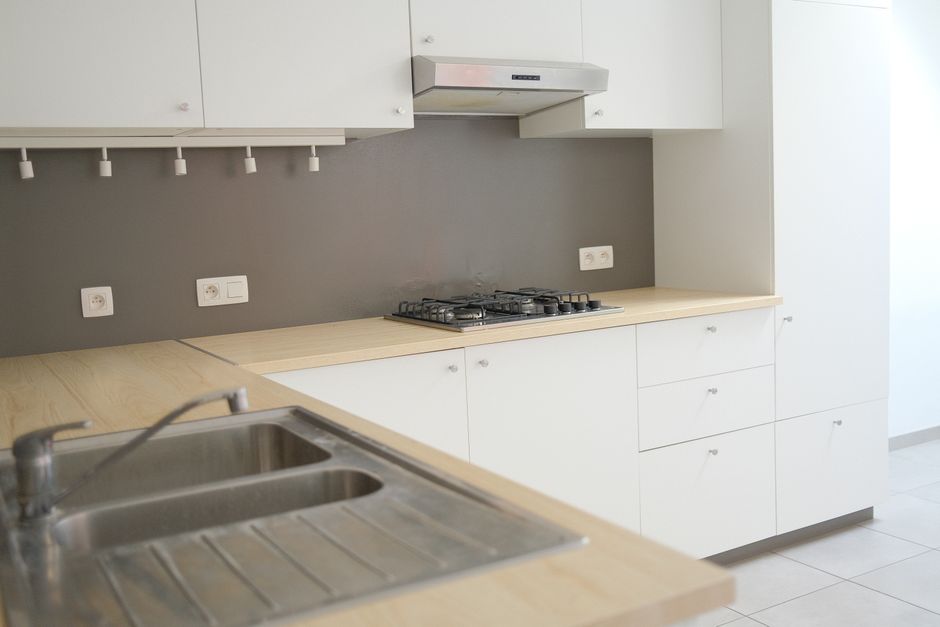
Map the kitchen by task rather than by object type. The goal is to shorten the path between a meal decision and a finished meal. Put the items used together in the same zone, even if that means plates live near the dishwasher and spices live near the stove.
Match storage to daily movement
| Kitchen zone | Keep nearby | Useful limit |
|---|---|---|
| Prep zone | One board, two knives, peeler, mixing bowl | One drawer and one shelf |
| Cooking zone | Two pans, one pot, spatula, tongs | One cabinet |
| Breakfast zone | Mugs, bowls, cereal, coffee or tea | One shelf |
| Cleaning zone | Brush, cloths, soap, bin liners | One under-sink caddy |
Place the most-used items within reach
Keep daily plates between waist and shoulder height. Put heavy cookware below the counter and rarely used serving pieces above it. Store children’s cups where small hands can reach them. A low shelf can reduce requests for help and prevent children from climbing onto counters.
For a small kitchen, vertical storage beats extra floor furniture. One 56-centimeter IKEA KUNGSFORS rail costs about $15 and can hold utensils or small baskets, but only install it if it replaces a crowded drawer. A new storage product that creates a new category of stuff is not a minimalist solution.
Build the kitchen around the meals you really make
A kitchen becomes cluttered when it serves an imaginary lifestyle. The bread maker bought for weekend breakfasts, the fondue set used once, and the specialty knife for a recipe made two years ago all occupy space because of future plans. First principles are simpler: a kitchen exists to turn ingredients into meals with reasonable effort. Design around your repeated meals, not your aspirational menu.
Find the five-meal pattern
Write down the five dinners your household makes most often. Add two quick breakfasts and two reliable lunches. Those meals reveal the equipment that deserves prime storage. If pasta, eggs, rice, soup, and sheet-pan vegetables appear every week, your core kit needs a pot, pan, knife, board, colander, and a few cooking tools. It may not need a spiralizer, tortilla press, or three baking trays.
Keep flexible tools and retire narrow ones
Choose tools that perform several common jobs. A 24-centimeter chef’s knife can chop vegetables, slice meat, and prepare herbs. A medium saucepan can cook oats, rice, soup, and sauces. A lidded glass dish can store leftovers and reheat them. Narrow tools make sense only when they support a real need, such as a rice cooker for a household that cooks rice several times each week.
This approach also protects your budget. You are not buying an aesthetic version of minimalism; you are keeping the equipment that makes ordinary meals easier.
Complete the seven-day reset in this order

Do one task per day and stop when the task ends. A full-kitchen purge in one exhausting afternoon often creates bags that sit in the hallway for weeks. This sequence keeps the work visible and manageable.
Follow the short daily sequence
- Day 1: Photograph each cabinet and remove obvious rubbish, broken tools, and expired food.
- Day 2: Gather duplicates from every drawer and keep only the strongest version.
- Day 3: Sort food containers by lid and recycle pieces that do not match.
- Day 4: Create prep, cooking, breakfast, and cleaning zones.
- Day 5: Move children’s everyday items to a safe, reachable shelf.
- Day 6: Test the kitchen by cooking one normal family dinner.
- Day 7: Remove anything that stayed untouched and label only confusing shelves.
Use a no-buy pause
Buy nothing for seven days except food and true replacements. This exposes the difference between a storage problem and an ownership problem. If you still reach for the same missing tool after cooking several meals, write down its exact job before buying it. The list may reveal that you already own a workable substitute.
The clear winner for a busy household is this slower reset. It creates evidence before spending money.
Choose tools that reduce work, not just visual noise
My recommendation is to buy one tool only after the new routine shows a repeated problem. Minimalism does not mean refusing useful equipment. It means demanding a clear return in time, space, or safety.
Pick the smallest useful version
For food storage, one OXO Good Grips POP Container in the 2.6-quart size costs about $18 and works well for flour, oats, or cereal. Buy one first. If the shape fits your shelf and your family uses it daily, add another. Do not buy a twelve-piece set before checking whether the lids and heights work in your cabinet.
A simplehuman 10-liter slim open-top bin costs about $40 and can suit a narrow kitchen, but a basic lidded bin may be better if odors or curious pets are a problem. The practical choice is the bin that fits the space and gets emptied on schedule.
Know when not to buy
Skip a coffee machine, air fryer, or blender if it duplicates a method you already use and will run less than once a week. A Bialetti Moka Express three-cup model costs about $40 and makes sense for someone who drinks stovetop coffee most mornings. It is a poor choice for a household that wants one-button coffee before school. The best product is the one that matches the actual habit.
Product count should fall as your routine improves, not rise because a tidy kitchen photograph made more equipment look necessary.
Answer the questions that stop a reset from lasting
How many dishes should a minimalist family keep?
Keep enough for one normal day plus a small buffer. For two adults and two children, eight everyday plates, eight bowls, eight cups, and eight sets of cutlery often cover a daily cycle without forcing constant washing. If your dishwasher runs once each evening, match the number to that schedule. A smaller number creates stress when illness, guests, or a late workday interrupts the routine.
Should every countertop be empty?
No. Keep the appliances used most days in a safe working position. A toaster, kettle, or coffee maker can stay out if moving it makes breakfast harder. The useful target is a clear prep surface, not a staged photograph. Leave enough room to chop food without shifting appliances into the sink.
What should happen to useful items that do not fit?
Store seasonal and occasional pieces in one labeled box outside the main work zones. If the box fills, apply the same limit again. Keep a roasting pan for a household that cooks holiday meals, but do not let it occupy the easiest cabinet all year. A minimalist kitchen gives priority to frequent work.
These answers point to one verdict: the lasting system is flexible, measurable, and built around real household timing.
Fix the failure points before they become clutter again
Most kitchen resets fail for practical reasons, not a lack of motivation. The family cannot find things, the donation bags never leave, or the evening reset takes too long. Fix those points quickly.
When the counter fills every evening
Create a five-minute closing routine. One person loads the dishwasher, one person clears food, and children return cups and snack bowls to their shelf. Set a timer and stop when it rings. The routine should restore function, not chase perfect cleanliness. If papers are the problem, place one small tray outside the food-prep area and empty it twice a week.
When minimalism feels restrictive
Add back an item that solves a proven problem. A family that bakes every Saturday should keep its baking equipment. A family with a baby may need several bottles and sterilizing parts. Minimalism is not a contest to own the least; it is a way to keep daily work visible and manageable. Remove the objects that create friction, then keep the ones that support your actual life.
Return to the opening test after seven days: can someone prepare breakfast, find a cup, and clear the counter without asking where anything belongs? If yes, the kitchen has reached the useful kind of simplicity—a room that supports the family instead of demanding attention from it.