

Your child is finally asleep, the kitchen is still untidy, and your mind is replaying three conversations from the day. You do not need a perfect room or an hour of silence. You need ten minutes and a method that gives your attention somewhere steady to go.
Gelong Thubten presents meditation as mind-training rather than a performance. His approach is practical, direct, and open to people who do not want to adopt a religious identity. The goal is not to stop every thought. The goal is to change your relationship with thoughts and emotions. The official explanation of meditation from Gelong Thubten describes the practice as training for greater focus, clarity, and control of the mind.
What Gelong Thubten guided meditation is really training
The first mistake beginners make is expecting calm before they begin. That reverses the process. You sit down because the mind is scattered, then you train it in small, repeatable movements. Attention wanders. You notice. You return. That return is the exercise.
Attention is the starting point, not a peaceful mood
Choose one simple anchor: the physical feeling of breathing, the rise and fall of your abdomen, or the contact between your feet and the floor. Keep the anchor ordinary. You are not trying to create a special sensation. When a thought about school pickup, work, money, or dinner appears, label it quietly as thinking and come back to the anchor. Do not argue with the thought. Do not finish the imaginary conversation. A five-second return still counts.
Openness prevents the practice from becoming a fight
A strict battle with your mind creates more tension. Let sounds, feelings, and thoughts appear in the background while you keep a light connection with the breath. If irritation shows up, notice irritation. If boredom arrives, notice boredom. The practice is not successful because you feel serene. It is successful when you recognize what is happening before you automatically react. That distinction matters in a family home, where a tired parent may have only a few seconds between a child’s request and an angry answer.
Start with ten minutes for seven days. Five minutes is acceptable on a chaotic day, but do not wait for the perfect session. Consistency teaches the brain that attention can return.
Which guided meditation tool fits a Gelong Thubten-style routine?
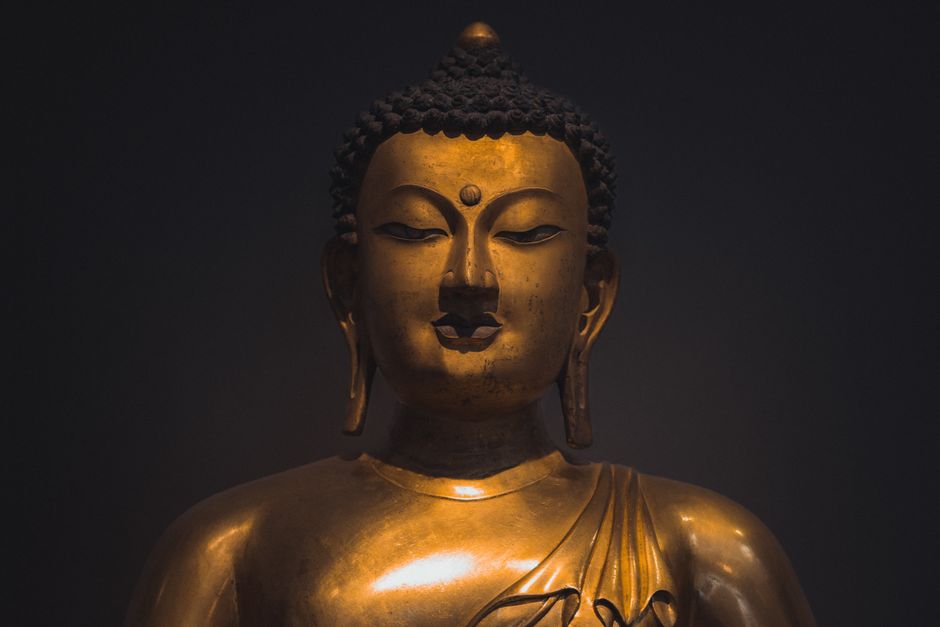
Gelong Thubten is the teacher and framework here; the app or book is only the delivery method. Pick one tool and use it for a week. Constantly comparing meditation libraries is just another way to avoid sitting down.
| Tool | Specific format | Best use | Clear verdict |
|---|---|---|---|
| Insight Timer MemberPlus | $9.99 monthly or $59.99 annually; more than 300,000 guided practices in the wider library | Finding free timers, talks, and short practices | Best value if you want choice and a custom timer |
| Headspace Basics | A structured 10-session beginner course | People who need one ordered lesson after another | Best for beginners who get lost in large libraries |
| Calm Daily Calm | One guided session designed around 10 minutes | A predictable morning or evening habit | Best for parents who want the same time limit each day |
| A Monk’s Guide to Happiness | Gelong Thubten’s 2019 book explaining meditation and happiness | Understanding the ideas behind the practice | Best companion when you prefer reading to listening |
Insight Timer’s current support information lists the prices above and explains that local currency and platform billing can vary. The free version is enough to start. Do not buy MemberPlus because you feel guilty about missing sessions. Pay only if offline access, premium courses, or extra structure will remove a real obstacle.
How to complete the ten-minute practice without forcing calm
Use this sequence when you want a practical routine rather than a vague promise to meditate more. Keep your phone on airplane mode and sit somewhere that does not encourage sleep unless sleep is the goal.
- Minute 0 to 1: Set the body. Sit on a chair, cushion, or the edge of the bed. Keep your back upright without making it stiff. Rest your hands on your thighs. Decide that you will stay for ten minutes unless pain or distress becomes intense.
- Minute 1 to 3: Feel the breathing. Do not change the breath. Notice one clear physical detail, such as cool air at the nostrils or movement in the ribs. The physical detail gives attention a job.
- Minute 3 to 6: Notice distraction. When planning, remembering, judging, or worrying appears, use one quiet label: thinking, hearing, feeling, or planning. Then return to the breath. One label is enough.
- Minute 6 to 8: Widen awareness. Let sounds and body sensations enter your attention. Keep the breath as a soft reference point. You are not trying to block the house, the traffic, or the child in the next room.
- Minute 8 to 9: Add a useful intention. Choose one sentence: I can pause before reacting, or I can meet the next task with steadier attention. Keep it plain. Do not turn it into a grand life statement.
- Minute 9 to 10: End cleanly. Notice the room, move your fingers, and stand up slowly. Carry one small action into the next task, such as lowering your voice or finishing one thing before opening another tab.
The most common failure is treating every wandering thought as evidence that meditation is not working. Wandering is the material you are training with. Another failure is increasing the session to thirty minutes after one good day. That usually creates a short burst of enthusiasm followed by avoidance. Ten repeatable minutes beat one heroic session.
My recommendation: start with the free version before buying anything
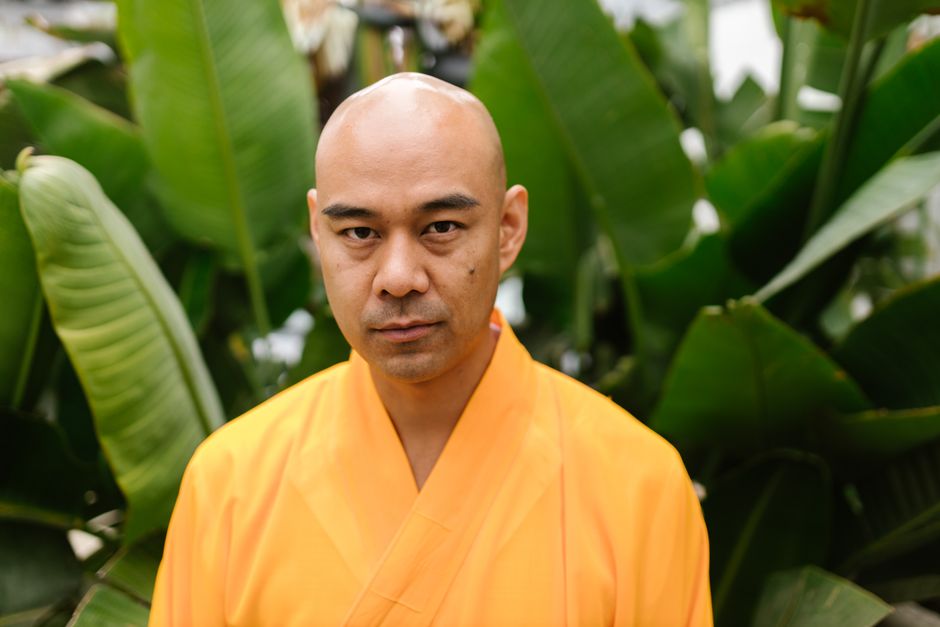
For a busy parent who wants Gelong Thubten-style mindfulness, Insight Timer’s free tier is the best starting tool. It gives you a timer, a large library, and enough short practices to test the habit before spending money. Headspace is the better paid-style choice for someone who needs a fixed ten-session path, while Calm is the cleaner pick for a single ten-minute daily ritual. The winner is not the app with the most voices. It is the tool you can open at the same time tomorrow.
Gelong Thubten’s books add something the apps often miss: a clear explanation of why attention practice matters when life feels difficult. A Monk’s Guide to Happiness, published in 2019, is the more approachable starting point for the basic method. Handbook for Hard Times, published in 2026, fits readers who want to connect meditation with pressure, uncertainty, and emotional strain. Neither book replaces practice. Reading about returning to the breath is not the same as returning to the breath.
Do not buy a subscription if you already have a free timer and keep skipping practice. Do not choose a long retreat-style recording for a household where ten uninterrupted minutes is already difficult. Do not use meditation to avoid a problem that needs a conversation, medical support, or urgent professional care. Meditation can help you pause, but it cannot repair an unsafe situation by itself.
Questions beginners ask about this meditation approach
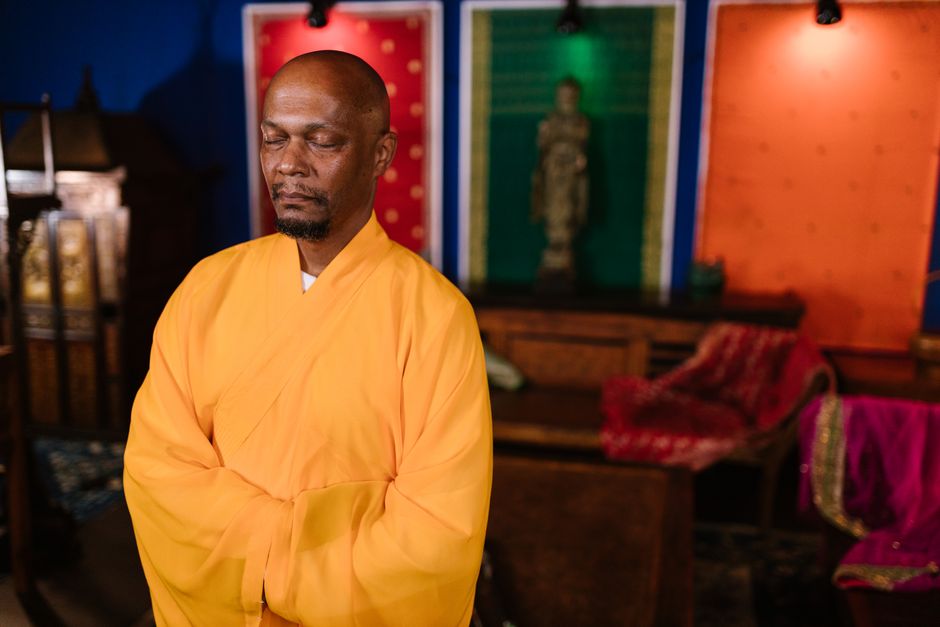
Do I need to be Buddhist to follow Gelong Thubten?
No. Gelong Thubten is a Buddhist monk, but he teaches meditation in an accessible and often non-religious way. You can practice attention to the breath, notice thoughts, and build steadier responses without adopting Buddhist beliefs. Respect the source, then be honest about what you are actually practicing.
What should I do when my mind will not settle?
Stop demanding that it settle. Count five breaths, label each distraction, and return to the physical feeling of breathing. If anxiety keeps rising, open your eyes, place both feet on the floor, and name five things you can see. A shorter, grounded practice is better than forcing yourself through distress.
Is ten minutes enough to make a difference?
Ten minutes is enough to build the skill of noticing and returning, especially when you repeat it most days. Track attendance rather than mood. Some sessions will feel dull, restless, or ordinary. That does not cancel the training. If you have a history of trauma, severe anxiety, or dissociation, start gently and seek guidance from a qualified mental-health professional if meditation makes symptoms worse.
The single most useful takeaway is simple: use one clear anchor for ten minutes, notice when attention leaves, and return without turning the practice into another test you have to pass.