
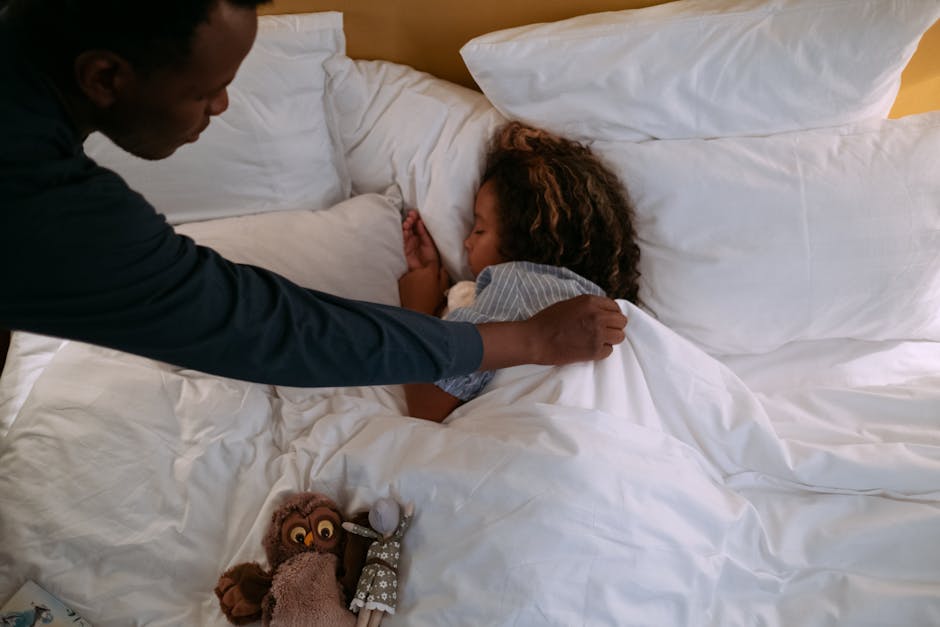
You probably think bedtime is a fight. A daily struggle where your kid digs in their heels, demanding just five more minutes, another story, another drink. You’re not alone. What you might not realize is how often anxiety fuels that resistance. One in five kids faces a diagnosable anxiety disorder, and countless others grapple with general worry. That anxiety doesn’t just vanish when the lights go out. In fact, it often ramps up.
We need to stop guessing and start implementing routines that actually work. This isn’t about magic. It’s about structure, predictability, and giving them the tools to shut down their overthinking brains. Forget the fluffy stuff. Let’s get to what matters.
Setting the Stage: Why Their Brains Fight Sleep
Bedtime isn’t just about being tired. For an anxious child, it’s a vulnerable time. The world goes quiet, distractions fade, and suddenly, all those racing thoughts have a direct line to their attention. Their brain, constantly on alert during the day, doesn’t just switch off because you want it to. It’s primed for danger, even when none exists.
This isn’t defiance. It’s a biological response. When anxiety spikes, their nervous system kicks into fight-or-flight. Cortisol levels rise. Sleep becomes an enemy, not a friend. You need to understand this fundamental truth before you can even begin to build an effective routine. They aren’t trying to manipulate you; their brain is genuinely struggling to feel safe enough to rest.
The Adrenaline Loop: What’s Happening Internally
Think about it. During the day, anxious kids are often managing, pushing through. But at night, the guard drops. Their amygdala, the brain’s alarm center, is still firing. It’s sending signals that something is wrong, even if there’s no immediate threat. This triggers the release of adrenaline and cortisol. These hormones are fantastic if you’re running from a tiger. They’re terrible if you’re trying to drift off to sleep. Their body is literally telling them to stay awake, stay alert. This creates a vicious cycle: anxiety prevents sleep, lack of sleep worsens anxiety. You’re fighting a physical battle, not just a psychological one.
Fear of Missing Out (FOMO) and the Dark
For many kids, especially younger ones, the idea of being alone in the dark can be terrifying. Shadows morph. Sounds amplify. Their imagination, often a wonderful thing, can become their worst enemy. Add to that the pervasive FOMO. They hear you, or siblings, still awake, still interacting. They feel excluded, isolated. This isn’t just a minor complaint; it’s a genuine fear of abandonment or loneliness, particularly for kids whose anxiety centers around separation or social dynamics. A simple nightlight can make a huge difference, but it’s the feeling of being left out that often stings the most.
The Need for Predictability
Anxiety thrives on uncertainty. The unknown is a breeding ground for worry. Bedtime, if inconsistent, becomes another unpredictable event. Kids with anxiety crave structure. They need to know what’s coming next, what the rules are, and what their role is in the routine. When you deviate, even slightly, it can trigger their internal alarm system. Their brain interprets the change as a potential threat. A predictable routine provides a mental map, a step-by-step guide that allows their brain to anticipate calm, not chaos. Stick to the script. Every single night. It’s non-negotiable for anxious kids.
The Non-Negotiables: Core Routine Elements
Stop overthinking this. A solid routine isn’t complex. It’s consistent. Here’s what you absolutely need:
-
Consistency is King
Same time. Every night. Weekends too. Yes, even weekends. Anxious brains depend on rhythm. A consistent bedtime and wake-up time regulate their circadian rhythm, making it easier for their bodies to know when to wind down and when to wake up. Fluctuating times throw their system into disarray. Pick a time and stick to it within a 15-minute window. No excuses. This is the single most important rule.
-
The Wind-Down Window
You can’t go from playing a high-energy video game to instant sleep. That’s absurd. You need a dedicated 30-60 minute wind-down period. This means no screens, no stimulating activities, no loud noises. This is the quiet zone. Think low lights, soft voices, calm activities. This isn’t optional; it’s essential for their nervous system to transition out of alert mode. Start this window at the exact same time every night.
-
Physical vs. Mental Prep
Separate physical winding down from mental winding down. A warm bath or shower is excellent for physical relaxation. It signals to the body that it’s time to slow down. After that, focus on mental calm. This could be reading a physical book, quiet drawing, or listening to calming music. Avoid anything that requires intense concentration or problem-solving. This isn’t homework time. This is decompression. Get their bodies relaxed, then their minds.
-
A Predictable Sequence
Establish a clear order of events. Bath, pajamas, brush teeth, read a story, lights out. Write it down. Put it on the wall. Let them check off each step. Knowing what comes next reduces anxiety. It gives them control within the structure. Deviate from this sequence, and you’re inviting resistance. Keep it simple, keep it logical, keep it the same.
Sensory Soothers: What Really Calms Them Down
You need to tap into their senses. It’s not about making their room ‘nice.’ It’s about making it a sensory sanctuary. Some kids need deep pressure; others need absolute quiet. Figure out what works for your kid, then double down on it. This isn’t a suggestion; it’s a mandate.
The Power of Deep Pressure
For many anxious kids, deep pressure is profoundly calming. This is why a firm hug works. Consider a weighted blanket. They aren’t just trendy; they work by distributing gentle pressure across the body, mimicking a hug. This stimulates the release of oxytocin, the “feel-good” hormone, and serotonin, a precursor to melatonin. Get one that’s roughly 10% of their body weight. Another option is a tight, comforting swaddle for younger kids, or even a firm back rub. These aren’t crutches; they’re tools to regulate an overactive nervous system. Don’t skip this if your child responds well to physical touch.
Auditory Comfort Zones
Silence can be deafening for an anxious child. Every creak, every distant dog bark becomes a monster under the bed. A white noise machine or a sound machine can mask these sudden noises, providing a consistent, soothing background. The hum of a fan also works. Choose a steady, non-distracting sound – not ocean waves with seagulls, but a constant, low drone. This creates a predictable auditory environment, reducing the chances of their brain latching onto unsettling sounds. Consistency here is crucial. The sound should be part of their routine, every night.
Scent and Sight Cues
Never underestimate the power of subtle cues. A specific scent can become a powerful signal for sleep. A few drops of lavender essential oil in a diffuser, or a lavender spray on their pillow, can be incredibly effective. Just make sure the scent isn’t too strong or irritating. Soft, dim lighting is also key. Avoid harsh overhead lights. Use a warm, low-wattage nightlight if they’re afraid of the dark, but ensure it’s not too bright. The goal is to create an environment that signals safety and rest, not stimulation. These cues, repeated nightly, build powerful associations in their brain.
Beyond the Bedroom: Day-Time Habits That Help
Bedtime anxiety doesn’t just appear at 8 PM. It’s a culmination of their entire day. What happens outside their room directly impacts how they sleep. You need to address the whole picture.
Does exercise help anxious kids sleep better?
Absolutely. Physical activity is a huge anxiety reducer. During the day, kids need opportunities to burn off energy and stress. This isn’t about enrolling them in intense sports; it’s about active play. Think running, jumping, riding bikes, playing tag. Aim for at least 60 minutes of moderate to vigorous physical activity daily. Just make sure it’s not too close to bedtime. High-intensity exercise too late in the evening can be stimulating and counterproductive. Schedule it for earlier in the day to help them naturally tire their bodies out, making the wind-down period much smoother.
Should we talk about worries during the day?
Yes, but with boundaries. Don’t wait until 10 minutes before lights out to unpack their entire day’s worries. Establish a “worry time” earlier in the day, perhaps after school or dinner. During this time, they can share their concerns, and you can brainstorm solutions or simply listen. Some kids benefit from a “worry box” or a journal where they can write down their thoughts and “put them away” until the next worry time. The goal is to acknowledge their fears without letting them hijack the bedtime routine. If they bring up a worry at night, gently remind them it’s “worry time” tomorrow and they can discuss it then. This teaches them to compartmentalize.
What about screen time?
Cut it. Period. Screens emit blue light, which suppresses melatonin production, making it harder to fall asleep. Beyond the blue light, the content itself is often stimulating – fast-paced games, exciting shows, social media alerts. All of this keeps the brain engaged and wired. Enforce a strict no-screen rule for at least 60-90 minutes before bedtime. This means no TV, tablets, phones, or video games. Replace screen time with calm activities like reading, board games, or drawing. This isn’t up for debate. Screens are detrimental to sleep, especially for anxious kids.
When to Ditch the Routine (And What to Do Instead)
Look, sometimes the routine just isn’t happening. Maybe they’re sick, maybe it was a truly traumatic day, or maybe they’re just completely overloaded. Don’t fight it. If the routine is causing more distress than calm, ditch it for one night. Focus on comfort. A movie on the couch, sleeping on a mattress on your floor – whatever provides immediate safety and peace. Reset tomorrow. One night off won’t ruin everything. Force only breeds more anxiety.
The Parent Trap: Your Role in the Bedtime Battle

You’re not just an observer. Your actions and reactions directly impact their anxiety. Understanding your role is crucial. You can either fuel the fire or extinguish it. Choose wisely.
| Parent Action: Unhelpful | Parent Action: Helpful |
|---|---|
| Lecturing about sleep importance | Validating their feelings, then redirecting |
| Getting angry or frustrated | Remaining calm and consistent |
| Giving in to multiple “one more things” | Sticking to the established routine with firm but gentle boundaries |
| Discussing worries at bedtime | Scheduling worry time earlier in the day |
| Hovering or constantly checking in | Providing reassurance, then stepping back |
| Expressing your own anxiety about their sleep | Modeling calm and confidence |
The Pitfalls to Avoid
Your frustration is understandable. But showing it? That makes everything worse. Anxious kids pick up on your stress like a radar. If you’re exasperated, they’ll internalize that, feeling like they’re failing you, which just amps up their anxiety. Avoid the endless negotiations. “Just one more story,” then “just one more drink.” These seemingly small concessions erode the routine and teach them that boundaries are flexible. Stop discussing their worries right before bed. That’s a surefire way to keep their brain churning. Don’t hover. Provide reassurance, a hug, then leave. Letting them see you constantly checking in communicates that there’s something to worry about.
Strategies That Actually Work
Your primary job is to be calm, consistent, and confident. Validate their fears without empowering them. Say, “I know you’re feeling worried, but you are safe, and it’s time for sleep.” Then, stick to the routine. No deviations. If they get out of bed, calmly and silently walk them back. No lectures, no arguing. Repeat as many times as necessary. This is called the “bedtime pass” or “silent return” method, and it works because it removes the reward (attention) for being out of bed. Teach them simple coping mechanisms, like deep breathing exercises or a quick body scan, and practice these during the day. Then, prompt them to use them at night. Your calm demeanor is their anchor. If you’re solid, they’re more likely to feel solid too.
Remember that surprising statistic about anxious kids? Those kids dread bedtime, not just because they’re tired, but because it feels like a battle they can’t win against their own minds. By implementing these direct, no-nonsense routines, you’re not just getting them to sleep; you’re teaching them emotional regulation. You’re giving them control. So, stop fighting bedtime. Start building the structure that helps them finally rest. They—and you—deserve that peace.