
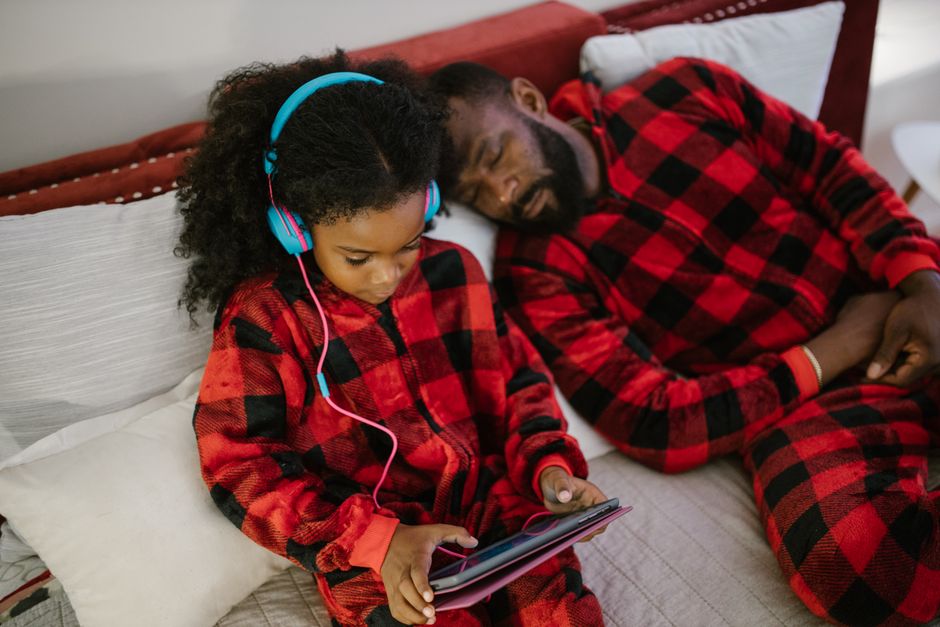
Your child slept for 90 minutes on the plane, woke up at 2 a.m. at the hotel, and now wants pancakes while everyone else is trying to stay quiet. That first night after a long-haul flight can make parents wonder if the whole trip will feel this hard. Most children adjust faster when parents reset the clock with light, meals, movement, and a firm local bedtime instead of chasing sleep one nap at a time.
Why Kids Struggle With Jet Lag After a Long Flight
The best first move is a clock reset, not a forced nap. Jet lag happens when the child’s internal body clock still follows the departure time while the destination runs on a different schedule. A six-hour time change can make 8 p.m. at the hotel feel like 2 p.m. at home. That mismatch affects sleep, hunger, mood, bathroom habits, and attention.
The body clock needs stronger signals than the watch
Children do not adjust because a parent announces that it is bedtime. Their brains read signals from daylight, darkness, food, activity, and repeated routines. Morning outdoor light tells the body that the new day has started. Dinner at the local dinner hour helps move hunger into the new time zone. A dark, quiet bedroom supports the local night. These cues work together, so one late nap can undo several good hours of adjustment.
The first night often looks worse than the rest
A child may wake early, cry more easily, or act hyperactive instead of sleepy. That behavior does not always mean the child needs more daytime sleep. Overtired children can look wired. The useful question is not, “How do I make this child sleep right now?” Ask, “Which local-time signal should my child get next?” The CDC Yellow Book guidance on jet lag supports timed sleep, light exposure, and short rather than lengthy daytime naps. For most families, the goal is steady progress over two to four days, not a perfect first night.
What To Do On Arrival Day
Keep arrival day boring, bright, and local. Children handle the first day better when parents reduce decisions and protect the evening sleep window.
- Use the destination clock immediately. Change watches and phones when you land. Serve meals according to local time, even if the first snack feels early or late.
- Get outside after arrival. Aim for 30 to 60 minutes of gentle outdoor light during the destination day. A playground, slow walk, or hotel courtyard works better than a dark room and a screen.
- Allow one rescue nap only when needed. Keep it to about 20 minutes for older children and wake the child by late afternoon. Babies and toddlers may need their normal naps, but avoid turning one nap into a three-hour sleep that pushes bedtime into the night.
- Serve a simple dinner. Offer water, familiar food, and a smaller portion if your child feels nauseated. Heavy meals right before bed can make settling harder.
- Start the bedtime routine 30 minutes earlier than usual. Bath, pajamas, a familiar story, and low lights create a clear sequence when the hotel room feels strange.
- Hold the morning wake time. If your child wakes at 4 a.m., keep the room dark and quiet. Offer comfort, but avoid starting the day with bright lights, television, or a full breakfast.
The 20-minute nap rule
A short nap can restore enough alertness for dinner and a safe evening. A long nap can remove the sleep pressure your child needs at local bedtime. Set an alarm before the nap starts, and wake your child gently with water, a snack, and daylight.
Food and movement matter more than entertainment
Jet-lagged children often ask for screens because screens fill the empty hours. Choose movement first: a walk, a bath, unpacking a suitcase, or a simple card game. Keep screens dim and short during the final hour before bed. The American Academy of Pediatrics travel guidance also recommends shifting a child’s sleep schedule two to three days before departure when the family has enough warning.
A Four-Day Reset Schedule For Eastward Travel
A simple local-time schedule beats guessing. The example below fits a school-age child after an eastward trip across roughly six time zones. It is a starting point, not a medical prescription. Move the times by 30 to 60 minutes if your child normally sleeps earlier or later.
| Day | Wake | Light and activity | Nap | Bedtime |
|---|---|---|---|---|
| Arrival day | Use local time after landing | Outdoor light before late afternoon | 20 minutes only if necessary | 7:30-8:30 p.m. |
| Day 1 | 7:00 a.m. | 30-60 minutes outside after breakfast | Skip or keep under 20 minutes | 8:00 p.m. |
| Day 2 | 7:00 a.m. | Walk or active play before lunch | 20 minutes before 3:00 p.m. | 8:00-8:30 p.m. |
| Day 3 | 7:00 a.m. | Normal school or sightseeing rhythm | Only if the child cannot stay safely alert | 8:30 p.m. |
What changes for westward travel
Westward trips usually ask the body clock to move later. A child may cope better with a slightly later bedtime and later morning light, but the same rule applies: shift gradually and keep the schedule stable. Do not keep a child awake until midnight just to force a new bedtime. That creates an overtired child who may wake more often.
How to handle an early-morning wake-up
Treat anything before 6 a.m. as nighttime for the first few days. Keep lights low, speak quietly, and offer a small drink. If hunger clearly wakes your child, give a plain snack, then return to bed. Start the official morning with light, breakfast, and movement at the chosen wake time. Consistency matters more than making the room perfectly silent.
Which Travel Sleep Tools Are Worth Packing?
The best sleep tool is one that recreates a familiar cue without adding a new problem. A white-noise machine can cover hotel doors and hallway sounds. A gentle night-light can help a child find the bathroom. A color-based wake cue can stop a preschooler from starting the day at 4:30 a.m. None of these tools fixes jet lag by itself, and families should not buy a gadget before fixing light and nap timing.
Best for portable background sound
The Yogasleep Hushh+ costs $53.99 on the company’s current US site and offers 20 sounds, Bluetooth, a USB-C rechargeable battery, and timers of 45 minutes, 90 minutes, or 8 hours. It is the strongest choice for families moving between hotels because it works away from a wall outlet. The less expensive Yogasleep Hushh 2 costs $32.99, includes six sounds and a dimmable night-light, and gives you 30-minute, 1-hour, or 2-hour timers. Pick the Hushh 2 when you want a basic travel device and do not need Bluetooth.
Best for a familiar bedtime and wake cue
The Hatch Rest 2nd Gen costs $69.99 and combines sound, a night-light, and a time-to-rise cue. It suits toddlers who already understand that a certain color means stay in bed. The Hatch Rest+ 2nd Gen costs $89.99 and adds portability with up to 12 hours of battery life. Choose the Rest+ only if you will move it between rooms or rely on it during power interruptions; otherwise, the regular Rest gives you the core cue for less money.
When not to buy a sleep gadget
Skip a new device if your child does not use one at home, if the hotel already provides a quiet room, or if setup requires a phone, Wi-Fi, and a paid subscription that will frustrate you after a long flight. Keep any sound machine away from the bed, use a low volume, and make sure it does not block your ability to hear the child. These tools support a routine; they should not replace supervision, daylight, or a sensible bedtime.
When Jet Lag Needs A Doctor’s Advice

Jet lag should show a clear trend toward improvement. Call your child’s clinician when the sleep disruption keeps getting worse, lasts well beyond the expected adjustment period, or comes with symptoms that do not fit ordinary travel fatigue.
Is this jet lag or illness?
Jet lag can cause tiredness, irritability, poor concentration, appetite changes, and trouble falling asleep. Fever, repeated vomiting, breathing trouble, severe headache, confusion, dehydration, or unusual difficulty waking points to something else. Travel can also expose children to infections, heat, unsafe food, and altitude changes, so do not blame every symptom on the time-zone shift.
Should I give melatonin?
Do not start melatonin or another sleep medicine on your own, especially for a young child. Products can vary in strength, accidental ingestion has become a growing concern, and timing matters more than simply taking a larger dose. Ask your pediatrician before using it, and tell the clinician your child’s age, weight, destination, travel direction, current medicines, and usual sleep schedule. The AAP’s melatonin guidance for children supports discussing sleep habits and safety with a healthcare professional.
When should normal sleep return?
Many children improve within a few days, though a larger time-zone change can take longer. Keep the morning wake time, outdoor light, meals, and bedtime routine steady. A child who is still waking for hours every night after the family has returned to a stable local schedule deserves a medical review rather than another travel gadget.