
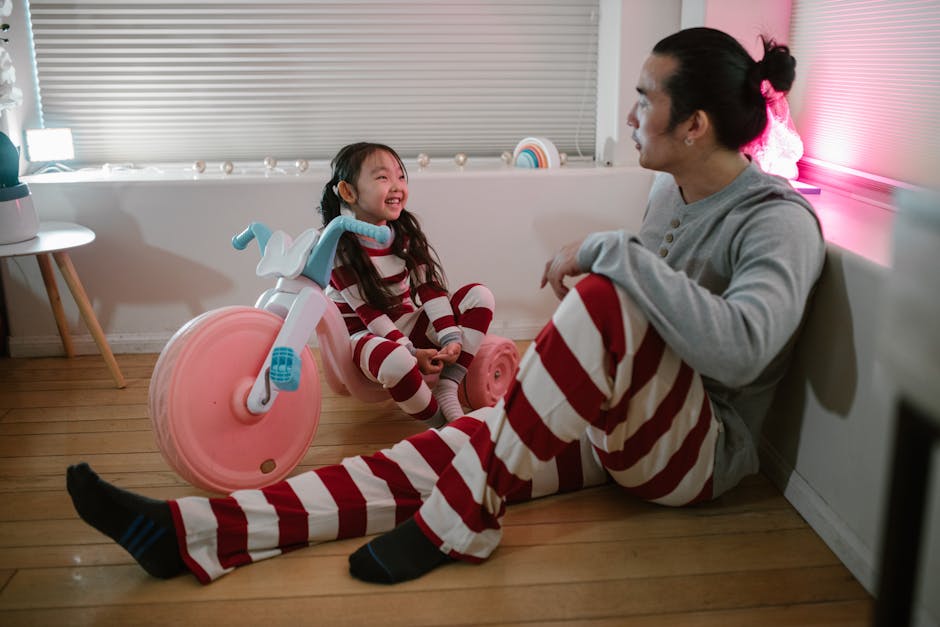
The post-holiday crash is real for kids. You know it. They go from boundless excitement, late nights, and endless treats to… well, normal life. That’s a brutal transition. Don’t sit around waiting for the inevitable meltdowns. You need a plan. And you need to implement it, fast.
This isn’t about being a drill sergeant. It’s about giving them structure and tools to handle the emotional hangover. You’re the parent. It’s your job to guide them through this.
Get Back to Routine. Immediately.
This isn’t negotiable. The holiday period is a free-for-all, and that’s fine for a bit. But when it ends, the chaos needs to end too. Kids thrive on predictability. They need to know what’s coming. The longer you let them wallow in holiday limbo, the harder the return to reality will be. Start by re-establishing core routines: wake-up times, meal times, and bedtime. Don’t compromise on these. They are the anchors. Kids’ brains need that stability to regulate emotions. A child who is over-tired and under-stimulated is a ticking time bomb for blues and tantrums. You know this. So act on it.
Forget the guilt about ending the fun. You’re giving them something better: security and emotional balance. These are not mutually exclusive. A structured day doesn’t mean a boring one. It means a day where they feel grounded, which in turn frees them up to enjoy the fun bits more.
Why Structure Prevents Meltdowns
Look, when a kid’s world lacks structure, they create their own. And that usually looks like testing boundaries, pushing limits, and generally acting out. Why? Because they’re seeking control in an environment that feels uncontrollable. The holidays inherently disrupt control. Sleep schedules are off. Meals are erratic. Screen time is often unchecked. When you bring back a clear routine, you’re giving them a framework. They know what’s expected. They know what’s next. This reduces anxiety and the need to ‘test’ to figure out the rules. It’s not about stifling their spirit; it’s about providing the guardrails they need to navigate their big emotions.
Think of their internal clock. During holidays, it gets completely reset. You need to recalibrate it. This takes effort, consistency, and patience on your part. But it pays off. A child with a consistent sleep schedule and predictable daily activities is a child far less prone to emotional outbursts. It’s simple biology and psychology.
Practical Routine Examples
Start small, then build. The morning routine is critical. Set an alarm for the same time every day, even on weekends initially. Breakfast at the same time. Then, integrate a consistent block of quiet play or reading before any screen time. In the afternoon, schedule a specific time for outdoor play or a creative activity. Dinner at a set time. Then, a consistent wind-down routine leading to an early, non-negotiable bedtime. No exceptions for a week or two. This isn’t rocket science, but it demands your commitment.
- Morning Consistency: 7:00 AM wake-up, 7:30 AM breakfast, 8:00 AM teeth brushing and getting dressed.
- Afternoon Block: 3:00 PM outdoor play or creative activity like drawing/building blocks.
- Evening Wind-down: 7:00 PM bath, 7:30 PM story time, 8:00 PM lights out.
These aren’t suggestions; they are directives. Stick to them. You’ll see results.
Screen Time Limits Matter
This is where many parents drop the ball. Post-holiday, kids have likely had unlimited access to tablets, gaming consoles, and TV. Cut it off. Drastically. Immediately. Excessive screen time messes with sleep, attention spans, and social development. It creates an unhealthy dopamine feedback loop that makes real-world activities feel boring by comparison. When you pull the plug, they’ll complain. Tough. That’s the detox. Replace that time with active play, reading, board games, or helping around the house. They need to re-learn how to entertain themselves without a glowing rectangle.
Set clear, firm limits: 30 minutes to an hour a day, maximum, for younger kids. Maybe slightly more for older ones, but only after all other responsibilities and active play are complete. No screens in bedrooms. No screens during meals. This isn’t punitive; it’s protective. You’re shielding their developing brains from overstimulation and the mental fog it creates.
Activities That Actually Boost Mood

You can’t just remove the holiday fun and offer nothing. You need to replace it with engaging alternatives. These aren’t just time-fillers; they’re mood-boosters. They re-engage different parts of the brain and provide a sense of accomplishment and connection. Don’t expect them to magically invent these activities themselves. You need to them. This requires effort on your part, but it’s essential for pulling them out of the post-holiday slump.
The goal here is not to replicate the sheer novelty of Christmas, which is impossible. It’s about cultivating genuine, sustainable joy and engagement in everyday life. Focus on activities that require interaction, creativity, and physical movement. These are the things that truly nourish a child’s spirit, not another toy that will be forgotten by February.
Engaging in Creative Play
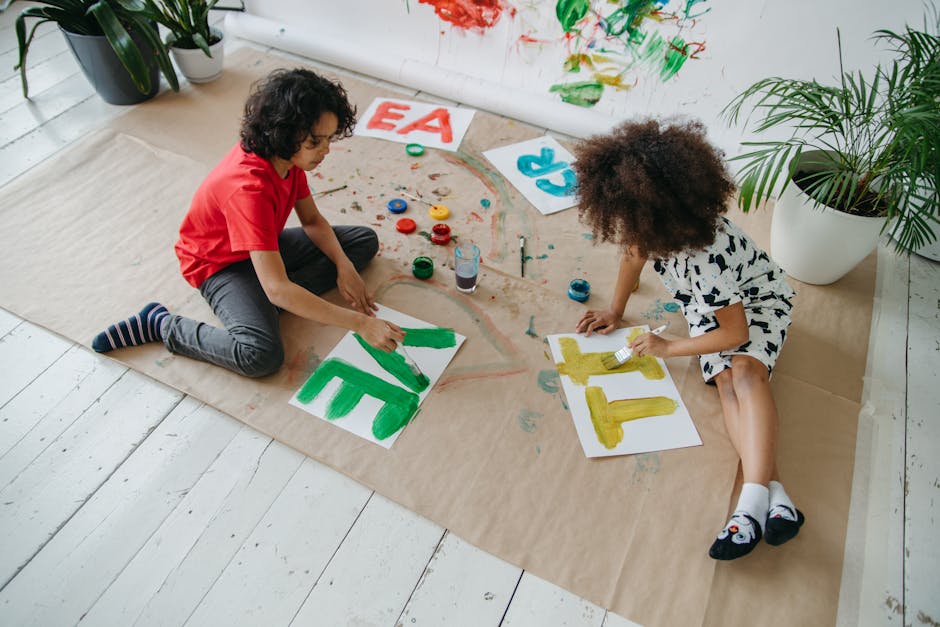
Give them outlets for creativity. Art supplies: crayons, paint, clay, construction paper. Building blocks or LEGO sets. Even old cardboard boxes can become magnificent forts or robots. Creative play helps kids process emotions, develop problem-solving skills, and feel a sense of mastery. It’s undirected, open-ended, and crucial for healthy development. Don’t dictate the outcome. Provide the materials and let them explore. You might be surprised at what they create.
This is about the process, not the product. If they build a lopsided tower or draw a messy picture, that’s fine. The value is in the independent thinking, the imagination, and the quiet concentration it fosters. This kind of play is a stark contrast to passive screen consumption, demanding active participation from their minds and bodies. It’s a natural antidepressant.
Outdoor Exploration Benefits
Get them outside. Every single day. Rain, snow, or shine. Dress them appropriately and send them out. Fresh air and physical activity are powerful mood regulators. They burn off excess energy, improve sleep, and expose them to natural light, which is vital for regulating circadian rhythms. A walk around the neighborhood, a trip to the local park, or just playing in the backyard. It doesn’t need to be an epic adventure. Just being out there makes a difference.
Nature has a calming effect. The sounds, the sights, the smells – it’s all a stark contrast to the often over-stimulating indoor environment. If you can, go to a local nature trail or woods. Let them collect leaves, rocks, or sticks. Encourage them to notice birds or squirrels. These simple observations can re-engage their curiosity and provide a sense of wonder that artificial entertainment often lacks.
The Power of Helping Others
Shifting focus from ‘what I got’ to ‘what I can do’ is a powerful antidote to the blues. Involve them in small acts of service. Donate old toys they no longer play with. Help a neighbor shovel snow. Make thank you cards for local first responders. Volunteer at a local animal shelter (if age-appropriate). Even helping with chores around the house can foster a sense of contribution and responsibility. This teaches empathy and perspective, reminding them they’re part of something bigger than themselves.
It’s not about grand gestures. It’s about instilling the idea that contributing to the well-being of others, or even just your own household, brings a different kind of satisfaction. This moves them away from self-centered holiday materialism and towards a more connected, altruistic mindset. That’s a good thing, especially after weeks of gift-focused attention.
Don’t Ignore the Feelings. Period.
Your child is sad. They’re disappointed. They’re probably feeling a bit lost. That’s legitimate. Don’t dismiss it. Acknowledge it. Tell them, “It’s okay to feel sad that Christmas is over.” Validate their emotions. This isn’t indulging them; it’s teaching emotional literacy. They need to know their feelings are valid, even if you can’t magically bring Santa back.
Then, pivot. Acknowledge the feeling, then redirect to action or a positive outlook. “I know you’re sad, but let’s think about the fun things we have to look forward to this week.” This isn’t about ignoring the problem. It’s about providing the tools to move through it.
Managing Expectations: What to Tell Them?
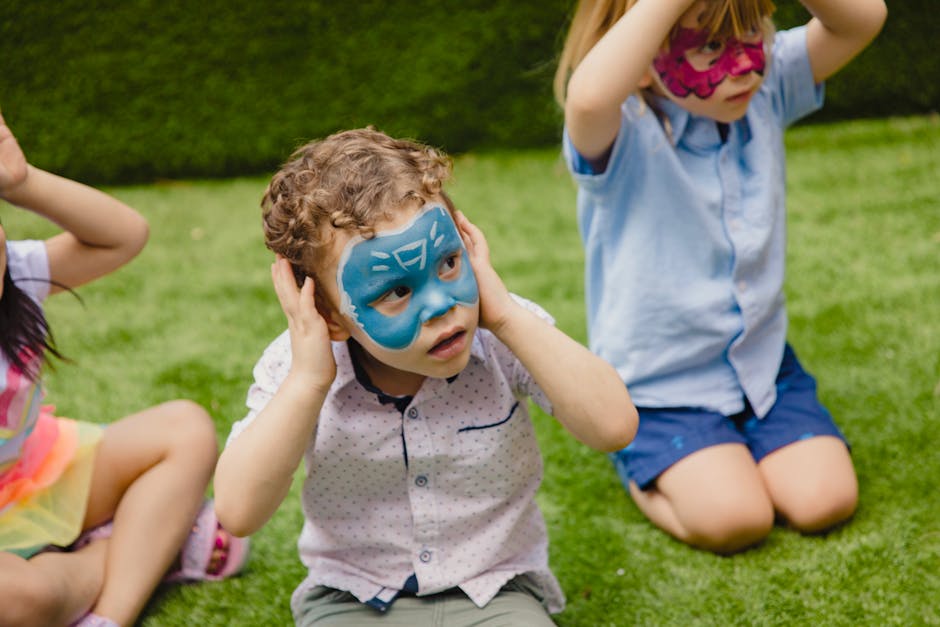
This is where you set the stage for next year and for their immediate future. Kids live in the moment, but they also remember promises and patterns. Be direct, but also offer hope. The goal is to transition them from the high-intensity holiday period back to the steady rhythm of everyday life without crushing their spirit.
Avoid vague statements. Be clear about what’s changing and what’s staying the same. This isn’t a conversation you have once and then it’s over. It’s an ongoing dialogue, reinforced by your actions. Your consistency here is key to building their trust and helping them adapt.
How Do I Explain the Fun Is Over?
You don’t say “the fun is over.” That’s harsh. Instead, say something like, “Christmas was so much fun, and now it’s time to get back to our regular routine. We’ll have lots of other fun things to do, just different kinds of fun.” Emphasize the positive aspects of routine: seeing friends at school, favorite after-school activities, regular family game nights. Remind them that Christmas is a special, once-a-year event, and that’s what makes it so exciting. This creates anticipation for next year without making the present feel bleak.
You can also create a visual calendar. Mark off the days until school starts again, or until a planned fun activity. This helps younger kids understand the passage of time and gives them something concrete to look forward to. “See? Only three more sleeps until we go to the library for story time!”
What About New Toys and Gifts?
New toys are great, but they can’t be the sole source of entertainment. After the initial unwrapping frenzy, help them integrate new toys into their regular play. Encourage sharing if they received multiples or similar items. Set a designated “new toy time” if you want to manage the excitement. More importantly, talk about the joy of giving, not just receiving. This might feel heavy-handed, but it’s crucial for developing gratitude and generosity.
Limit new toys to specific play areas to avoid clutter overload. Too many choices can actually overwhelm kids and lead to less focused play. “Okay, all your new building blocks go here. Let’s see what amazing things you can build with them this week.” This brings order to the post-Christmas toy explosion and makes playtime more intentional.
Is It Okay to Still Talk About Christmas?
Absolutely. Don’t shut down conversations about their favorite Christmas memories or gifts. In fact, encourage it. Look through photos, watch a favorite holiday movie one more time, or talk about what they’re looking forward to next year. This helps them process the experience and keeps the warm feelings alive in a healthy way. It acknowledges the importance of the holiday without perpetuating the expectation of endless celebration.
You could even start a “Christmas memories journal” where they draw pictures or dictate stories about their favorite parts. This is a gentle way to transition from the active holiday period to a reflective, appreciative one. It allows them to hold onto the magic without getting stuck in the past.
Teach Them to Recharge: Mindfulness and Connection
Kids need downtime. Real downtime, not just zoning out in front of a screen. They need to learn how to self-regulate, how to calm their own bodies and minds. This is a life skill, and the post-holiday period is an excellent time to start practicing it. You can’t be their sole source of comfort; they need to develop internal resources. These aren’t complex techniques; they are simple, everyday practices that foster inner peace and strengthen family bonds.
This is about equipping them with tools for emotional resilience. The world will always present challenges and emotional dips. Teaching them to pause, breathe, and connect is one of the most valuable lessons you can impart. It’s an investment in their long-term well-being, far more significant than any toy.
Simple Breathing Techniques for Kids
When they’re getting agitated or feeling low, teach them simple breathing exercises. “Belly breathing” is a good start: put a hand on their belly and ask them to make their hand go up and down like a balloon. Or “smell the flower, blow out the candle”: deep inhale through the nose, long exhale through the mouth. Practice these when they’re calm, so they know how to do it when they’re upset. Even five minutes of quiet breathing can shift their mood and bring them back to center.
These are not just for moments of crisis. Incorporate a minute of quiet breathing before bed, or after a particularly stimulating activity. It helps them transition from high gear to low gear, improving focus and sleep quality. You’re teaching them a powerful coping mechanism that they can use for the rest of their lives.
Family Connection Rituals
Holidays are often about grand family gatherings. When that fades, maintain smaller, more intimate connection points. A nightly check-in where everyone shares their “high” and “low” of the day. Reading a book together. A designated family game night (board games, card games, not video games). Cooking dinner together. These small rituals build security, strengthen bonds, and provide consistent, positive interaction that counters feelings of loneliness or abandonment after the holiday rush.
These rituals don’t need to be elaborate. Consistency is the key. Five minutes of focused, undivided attention from a parent can do wonders for a child’s emotional state. It tells them they are seen, heard, and valued, even when the holiday lights are packed away. Make eye contact. Put down your phone. Be present.
Why Sleep Is Non-Negotiable
We’ve talked about routine, but sleep deserves its own call-out. It is the bedrock of emotional regulation. An overtired child is a mess, plain and simple. They’re more irritable, less resilient, and more prone to emotional meltdowns. After the holiday late nights, you need to be militant about restoring a consistent sleep schedule. Early bedtimes, consistent wake-up times, and a dark, quiet, screen-free bedroom environment. This isn’t a luxury; it’s a fundamental requirement for their mental and physical health.
If you’re struggling, consider a warm bath, a calming story, and quiet conversation before bed. Eliminate all stimulating activities an hour before lights out. No screens, no high-energy play. Give their brains a chance to wind down naturally. Prioritize sleep above all else. Your child’s well-being depends on it, and frankly, so does your sanity.