
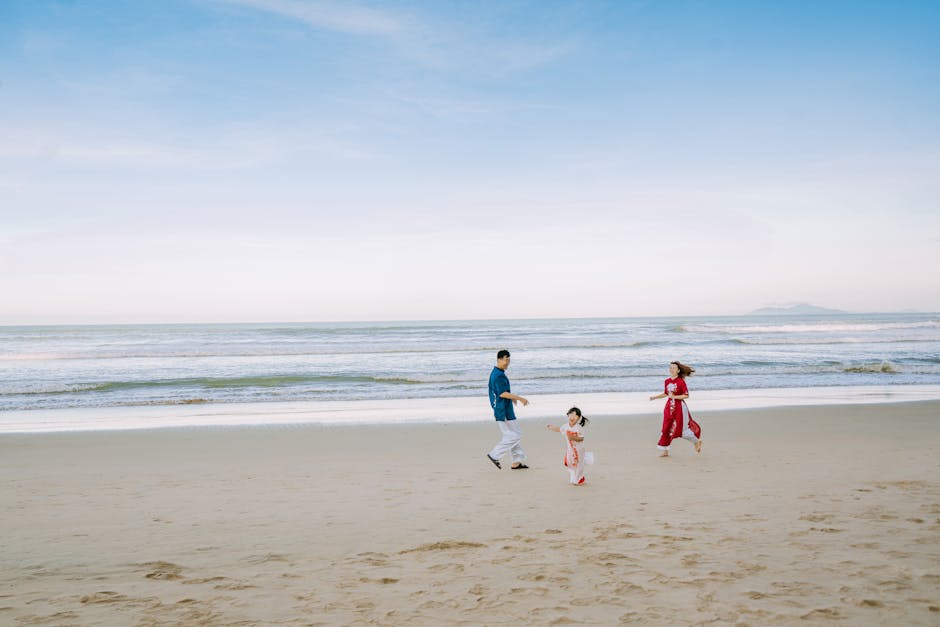
Don’t overschedule. Vietnam is best explored slowly with children. This is the single most important piece of advice for any first-time family visit. Resist the urge to cram too much in. Kids thrive on routine and downtime. A relaxed pace means more enjoyment for everyone and fewer meltdowns.
Prioritize Slow Travel: Less is More
Limit your itinerary to 2-3 major hubs. Constantly moving exhausts everyone, especially kids. You need dedicated downtime. Pick either North (Hanoi, Halong Bay) or South (Ho Chi Minh City, Mekong Delta), with a central stop like Hoi An. This approach allows for deeper cultural immersion without the fatigue of daily packing and unpacking. It provides opportunities to revisit favorite spots or simply relax by a pool, which is essential for recharging little travelers.
Booking Flights and Accommodation
Use Google Flights for initial searches. Then, book directly with airlines like Vietnam Airlines or Bamboo Airways for better customer support and flexibility, especially for family bookings. For accommodation, Booking.com and Agoda offer extensive family-friendly options. Filter for hotels with pools or family rooms. Always read reviews carefully, specifically those mentioning experiences with children. Look for comments on noise levels, breakfast options, and proximity to kid-friendly activities. Expect to pay around $50-150 per night for comfortable family rooms in 3-4 star hotels, depending on the city and season.
Book internal flights (e.g., Hanoi to Da Nang, Da Nang to Ho Chi Minh City) well in advance, ideally 2-3 months out. This secures better prices and ensures availability, particularly during peak travel times. Direct bookings through the airline’s official website are generally the most reliable.
Packing Smart for Kids
Bring light, breathable clothing. Vietnam is hot and humid year-round in the south and central regions, and hot in the north during summer. Cotton and linen are best. Pack reusable water bottles, such as a Hydro Flask (typically $35-50), to reduce plastic waste and stay hydrated. A small first-aid kit is crucial. Include child-specific medications like children’s paracetamol, motion sickness tablets, plasters, antiseptic wipes, and anti-diarrhea medicine. Plenty of sunscreen is non-negotiable; look for child-friendly options like Neutrogena Wet Skin Kids (around $10-15), and reapply frequently.
Consider a lightweight, compact stroller for toddlers or a baby carrier for younger children. While some areas, like Hoi An’s Ancient Town, are pedestrian-friendly, cobblestones and crowded markets in cities like Hanoi can make them useful for weary legs. A small backpack for each child to carry their own essentials (a toy, a snack, a small book) helps them feel involved.
Essential Apps for Navigating Vietnam
These tools save time and prevent headaches. Install them on your smartphone before you even land in Vietnam. Having these ready will streamline your travels and make daily logistics much smoother.
- Grab App (Ride-Hailing & Food Delivery): This is your primary mode of transport in most Vietnamese cities. Grab functions similarly to Uber. Download the Grab app (free on iOS/Android). Link a credit card to avoid cash hassles. Choose “GrabCar” for private vehicles or “GrabBike” for a quicker, cheaper, single-passenger option. Fares are fixed and transparent, preventing negotiations or scams. Expect $3-5 for short city rides and $10-15 for airport transfers within major cities. The food delivery service is also excellent for evenings when everyone is tired. Many local restaurants and international chains are available.
- Google Translate: Absolutely crucial for communication. Download the Vietnamese language pack for offline use. This allows you to translate text without an internet connection. Use the camera feature to instantly translate menus, signs, or product labels. It bridges many language gaps. Free on iOS/Android.
- Google Maps: Essential for navigation. Download offline maps of your destinations (Hanoi, Hoi An, Ho Chi Minh City). This helps you find specific restaurants, attractions, or navigate walking routes without relying on constant data. It also provides estimated travel times and public transport options. Free on iOS/Android.
- Revolut or Wise (Multi-currency Cards): These digital banks offer excellent exchange rates and low or no foreign transaction fees. Load USD or EUR onto your card and convert to VND as needed within the app. This helps you avoid high ATM fees and unfavorable bank exchange rates. A Revolut Standard account or Wise Multi-currency Account is free to open. When withdrawing local currency, look for ATMs from banks like Vietcombank or BIDV, which often have lower local fees.
- Klook or GetYourGuide (Activity Bookings): Use these platforms for booking tours, cooking classes, or attraction tickets. They often provide better prices, clearer cancellation policies, and user reviews compared to booking directly on the spot. Great for securing your Halong Bay cruise, Hoi An lantern-making workshop, or specific day trips in advance, ensuring family-friendly options are available.
Your 10-Day Family Itinerary: North to Central
This itinerary focuses on Hanoi and Hoi An, allowing for significant cultural immersion without excessive travel fatigue. It balances essential sightseeing with ample downtime, ensuring kids remain engaged and rested. This route provides a great introduction to Vietnam’s diverse landscapes and traditions.
Day 1-4: Hanoi Exploration
Arrive at Noi Bai International Airport (HAN). Use the Grab app to your hotel in Hanoi’s Old Quarter. Allow time to settle in and adjust to the time difference. The Old Quarter offers a bustling, immersive experience. Start slowly.
- Activities: Catch a traditional water puppet show at Thang Long Water Puppet Theatre (tickets typically $5-10 per person). Walk around Hoan Kiem Lake, especially in the early morning or evening when locals gather. Explore the Old Quarter’s maze-like streets, taking in the sights and sounds. Visit the Temple of Literature (Vietnam’s first university, entrance $2-3 per person) for a quiet historical experience. Sample authentic Bún Chả at a local eatery like Bún Chả Hương Liên (expect $3-5 per meal for a hearty portion).
- Kid-friendly tips: Take a cyclo ride ($10-15 for 30-60 minutes) around the Old Quarter; kids love the novelty. Seek out small parks for playtime breaks. Buy fresh, tropical fruit from street vendors – mangoes, dragon fruit, and rambutan are usually big hits.
Day 5-6: Halong Bay Overnight Cruise
Book a 2-day/1-night cruise from Hanoi. This is a highlight for many families. Reputable operators include Bhaya Cruises or Paradise Elegance. Prices range from $150-300 per person, all-inclusive for the cruise (transport from Hanoi, meals, activities). Choose a mid-range boat for a good balance of comfort, safety, and amenities suitable for families.
- Activities: Most cruises include kayaking through limestone karsts, swimming in designated areas, exploring majestic caves like Sung Sot Cave, and a cooking class on board. The scenery is simply stunning and captivates all ages. Ensure your chosen cruise has clear safety protocols and life vests in children’s sizes.
Day 7: Travel to Hoi An
Return to Hanoi from Halong Bay. Fly from Noi Bai International Airport (HAN) to Da Nang International Airport (DAD). The flight takes about 1.5 hours. From Da Nang, take a Grab or a pre-arranged taxi to Hoi An, which is a 30-45 minute drive ($15-25). Check into a hotel near the Ancient Town or one with a pool for immediate relaxation after travel.
Day 8-10: Hoi An Charm
Hoi An offers a more relaxed pace than Hanoi and is incredibly charming, especially in the evenings with its lantern-lit streets.
- Activities: Explore the Ancient Town by foot or bicycle (many hotels offer free bikes). Visit the iconic Japanese Covered Bridge. Take a lantern-making class ($10-20 per person); kids love creating their own souvenirs. Enjoy a leisurely boat ride on the Thu Bon River, particularly at sunset when the lanterns illuminate the water. Cooking classes, such as those offered by Red Bridge Cooking School ($30-50 per person), are interactive and fun for families. Spend a day relaxing at An Bang Beach, just a short ride away, with calm waters suitable for children.
- Kid-friendly tips: Hoi An’s pedestrian-friendly Ancient Town is easy to navigate with children. The vibrant lanterns fascinate kids. Numerous cafes offer refreshing smoothies, ice cream, and easy-to-eat snacks. Consider a visit to Tra Que Vegetable Village for a glimpse into local farming life.
Don’t Discount Travel Insurance
It’s not glamorous, but travel insurance is non-negotiable for family trips. Medical emergencies, lost luggage, or unexpected trip cancellations can derail your budget fast and cause immense stress. Companies like World Nomads or SafetyWing offer reliable plans specifically designed for travelers, covering medical incidents, emergency evacuation, and trip interruptions. Purchase it. The peace of mind alone is worth the investment.
Regional Differences: North vs. South vs. Central
Deciding where to focus your family’s time in Vietnam largely depends on your interests and the type of experience you seek. Each region offers a distinct flavor and a different set of attractions.
| Region | Vibe & Culture | Kid-Friendly Activities | Best For |
|---|---|---|---|
| North (Hanoi, Halong Bay, Sapa) | Historical, bustling, traditional, cooler climate (winter). | Water puppet shows, Halong Bay cruises, Old Quarter exploration, trekking (Sapa for older kids and families). | Culture immersion, scenic landscapes, slightly cooler weather options. |
| Central (Hoi An, Da Nang, Hue) | Charming, laid-back, beautiful beaches, ancient towns, imperial history. | Lantern making, beach days, cycling, cooking classes, Marble Mountains, Cham Island snorkeling (older kids). | Relaxation, history, food, artisan crafts, coastal activities. |
| South (Ho Chi Minh City, Mekong Delta, Phu Quoc) | Modern, energetic, French colonial history, tropical climate year-round. | Cu Chi Tunnels (older kids), Mekong Delta boat tours, amusement parks (Dam Sen Park), island resorts. | Bustling city life, tropical escapes, river adventures, modern entertainment. |
Verdict: For first-timers with kids, a North-Central combination (Hanoi, Halong Bay, Hoi An) provides a balanced introduction to Vietnam’s diverse offerings without overwhelming travel. It mixes vibrant city life, breathtaking natural wonders, and a charming historical town with relaxing beach access. This combination minimizes travel time while maximizing varied experiences.
Q&A: Common Family Travel Concerns
Parents always have specific questions when planning international travel with children. Here are answers to a few common concerns to help ease your mind.
Is the food safe for kids?
Generally, yes, the food is safe and delicious. Stick to busy street food stalls and reputable restaurants where food is cooked fresh and served hot. High turnover means ingredients are fresh. Many restaurants cater to Western tastes, offering milder options. For younger kids or those with sensitive stomachs, plain white rice, pho (noodle soup – ask for no chili), or fresh, peeled fruit are usually safe bets. Always ensure water is bottled, and avoid tap water or ice from questionable sources. Observe hygiene practices; if a place looks unclean, move on.
How do we handle motion sickness on buses or boats?
Vietnam’s roads, particularly in rural or mountainous areas, can be winding, and boats on Halong Bay or the Mekong Delta can have gentle swells. Pack child-friendly motion sickness medication like Dramamine for Kids (typically $8-12). Administer it before travel if your child is prone to sickness. Encourage kids to look at the horizon, not down at a screen or book. Keep them hydrated with sips of water, and ensure they have a light snack, avoiding heavy or greasy foods before travel. When possible, choose private transfers or reputable tour operators with comfortable, well-maintained vehicles.
What about internet and phone connectivity?
Buy a local SIM card upon arrival at the airport. Providers like Viettel or Mobifone offer excellent coverage and affordable data plans. A 30-day data plan typically costs $10-15. This ensures you have constant connectivity for your essential apps like Grab and Google Maps, as well as staying in touch with family. Most hotels, guesthouses, and cafes offer free Wi-Fi, but a local SIM provides reliable backup and on-the-go access.
Managing Expectations and Embracing the Chaos
Vietnam is vibrant, noisy, and sometimes wonderfully chaotic. Embrace it. It’s part of the authentic experience. Things might not always go exactly as planned, but that’s where some of the best, most memorable travel moments often originate. Your ability to roll with unexpected changes will significantly impact your family’s overall enjoyment.
Health and Hygiene Basics
Hand sanitizer like Purell (around $3-5 for a travel size) is your best friend. Use it constantly, especially before eating and after touching shared surfaces. Drink only bottled water. It’s readily available everywhere. While most reputable establishments use filtered water for ice, if you are unsure, it is safer to avoid ice in your drinks. Mosquito repellent is crucial, particularly at dusk and dawn, and in rural areas like the Mekong Delta. Consider DEET-free California Baby (around $15-20) for children, or a higher DEET percentage for adults if needed. Dengue fever is present in some regions.
Cultural Sensitivity with Kids
Encourage politeness. Teach your children basic Vietnamese greetings like “Xin chào” (hello). This small effort is always appreciated. Dress modestly when visiting temples or pagodas (shoulders and knees covered for adults and older children). Always ask permission before photographing people, especially children, out of respect. Vietnamese people are generally very welcoming and affectionate towards children. You will often find locals engaging playfully with your kids, which is a lovely part of the cultural exchange. Show interest in local customs and encourage your children to try new, age-appropriate foods.