
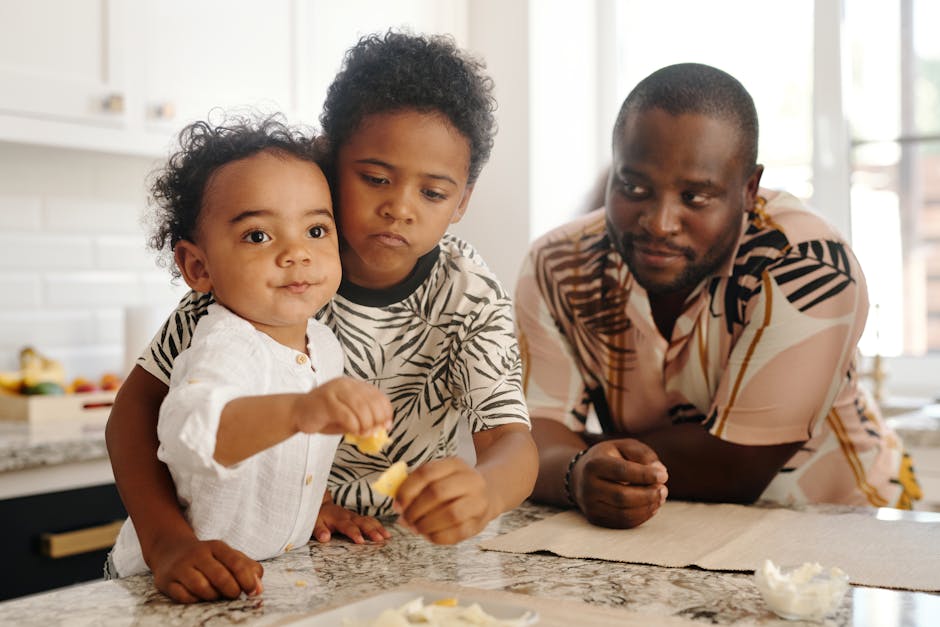
It’s 7 AM. The sun isn’t even fully up, but the familiar sound has already started: a high-pitched wail from the playroom, followed by a furious shout. “She took my LEGO!” “No, I didn’t! It was mine first!” Your coffee is still brewing, and already, you’re mentally bracing for another day of refereeing. Every parent has been there, caught in the crossfire of escalating sibling squabbles over a toy, a turn, or even just who gets to sit closest to you. Sibling rivalry isn’t just annoying; it can feel utterly draining, making you question your parenting skills and your family’s overall peace. But it doesn’t have to be this way. There are concrete, research-backed strategies that can transform your home from a battleground into a cooperative space. We’ve explored the core dynamics and practical approaches to help you navigate this common parenting challenge without losing your cool.
What Causes Sibling Rivalry? Understanding the Roots
Before implementing solutions, it helps to understand why sibling rivalry is so pervasive. It’s not simply misbehavior; it’s a complex interplay of developmental stages, individual temperaments, and evolving family dynamics. Children, especially young ones, are naturally egocentric. They are still learning about sharing, empathy, and perspective-taking. Their world often revolves around their own needs and desires, making competition for resources—attention, toys, parental approval—a natural outcome.
Understanding these underlying factors allows for a more empathetic and effective approach, rather than simply punishing the outward expression of conflict. Rivalry is often a cry for attention, a bid for power, or an attempt to define one’s place within the family structure.
Age and Developmental Stages
The intensity and nature of sibling rivalry often shift with age. Toddlers and preschoolers, for instance, are learning about possession and boundaries. A two-year-old might physically defend a toy because they genuinely believe it is an extension of themselves. They lack the cognitive ability to grasp abstract concepts like ‘sharing’ in the way an older child might. Between ages 3-7, children become more aware of social comparisons and fairness, often leading to intense competition for parental attention or resources. Adolescents, while perhaps less prone to physical squabbles, might engage in more subtle forms of rivalry, competing academically, socially, or for privileges. Understanding these phases helps parents adjust their expectations and interventions. For example, a battle over a crayon between a two-year-old and a four-year-old requires different strategies than a dispute between two teenagers over screen time.
Temperament and Personality Differences
Every child is unique, bringing their own temperament and personality to the family dynamic. One child might be naturally more assertive, while another is more sensitive or introverted. These inherent differences can clash, creating friction. A highly energetic child might constantly prod a more reserved sibling, leading to irritation. An anxious child might interpret a playful jab as a personal attack. Parents often inadvertently these differences by comparing children or assigning labels (e.g., “the easy one,” “the difficult one”). Acknowledging and respecting each child’s individual traits, without judgment or comparison, is a crucial first step in de-escalating potential rivalry. It’s about seeing each child for who they are, not just in relation to their siblings.
Proactive Strategies: Building a Foundation for Peace

Effective management of sibling rivalry starts long before the next argument erupts. Proactive strategies focus on creating an environment that minimizes conflict and fosters cooperation. These aren’t quick fixes but consistent efforts that build a resilient family culture.
Rather than waiting for the inevitable clash, parents can implement several foundational practices that reduce the triggers for rivalry and equip children with better coping mechanisms.
-
Establish Clear Family Agreements
Define what is acceptable and unacceptable behavior when interacting with siblings. This isn’t just about “don’t hit”; it’s about articulating positive expectations. For instance, an agreement might be: “We use kind words when we disagree.” or “When someone says ‘stop,’ we stop.” Involve the children in creating these rules. When kids participate in setting the boundaries, they are more likely to internalize and respect them. Write these agreements down and display them prominently, perhaps on a whiteboard or a dedicated “Family Rules” poster. Regularly revisit and reinforce these rules, especially during calm moments, not just in the heat of a conflict. Consistent enforcement is key to their effectiveness.
-
Prioritize Individual Child Connection Time
One of the biggest drivers of sibling rivalry is the competition for parental attention. Children often act out or pick fights because they crave one-on-one time with you. Counteract this by intentionally scheduling “special time” with each child. This doesn’t need to be elaborate; even 10-15 minutes of undivided attention per day can make a significant difference. During this time, let the child choose the activity – whether it’s reading a book, building LEGOs, or just talking. Put away your phone. Make eye contact. This dedicated, positive attention fills their “love tank” and reduces their need to compete with siblings for your gaze. Many parents who implement this technique report a noticeable drop in attention-seeking behaviors and sibling squabbles.
-
Create Personal Space Boundaries
Sharing is a wonderful skill, but children also need to feel a sense of ownership and personal space. Designate certain items or areas as “mine” versus “ours.” This could mean a personal bin for their favorite toys, a specific shelf for their books, or even just a designated spot on the couch. For shared items, establish clear rules about asking permission or taking turns. For example, “This is your gaming console, but the family board games belong to everyone.” Respecting individual property teaches children boundaries and reduces territorial disputes. It acknowledges their need for autonomy while still encouraging sharing where appropriate. This balance is crucial for healthy sibling relationships.
When to Step In (and How): A Situational Guide
Knowing when and how to intervene in sibling squabbles is an art, not a science. Too much intervention can prevent children from developing their own conflict resolution skills, while too little can lead to resentment or physical harm. The key is to differentiate between minor skirmishes and truly escalating conflicts.
Differentiating Conflict Severity
| Conflict Type | Characteristics | Parental Response |
|---|---|---|
| Minor Squabble | Verbal disagreement, petty complaints, mild annoyance, no physical contact, no real distress. E.g., “You’re looking at my side of the car!” | Minimal Intervention: Ignore if possible, or offer a brief, neutral observation like “It sounds like you two are having trouble agreeing.” Let them work it out. |
| Escalating Conflict | Increased volume, name-calling, threats, sustained arguments, one child clearly distressed, potential for physical contact. E.g., “I hate you!” accompanied by pushing. | Moderate Intervention: Acknowledge feelings, state the problem without blame, separate children if needed. Guide them towards a solution. “I see you’re both angry about the game. Let’s take a break.” |
| Physical or Harmful | Hitting, kicking, biting, destroying property, deliberate emotional cruelty, one child is being bullied. E.g., one child holding the other down. | Immediate, Decisive Intervention: Separate children, ensure safety, address behavior firmly. No discussion until calm. Focus on rules about safety and respect. “Hitting is not allowed. We need to calm down before we talk.” |
Guiding vs. Resolving
Your role as a parent isn’t to be a judge who declares a winner and a loser. That often breeds resentment. Instead, aim to be a facilitator who guides children towards resolving their *own* conflicts. When you intervene, describe what you see without judgment: “I see two children pulling on the same toy.” Then, help them articulate their feelings: “You seem frustrated, and you look upset.” Offer tools or suggestions for resolution rather than dictating it: “What could you two do to solve this?” or “Would taking turns help?” This approach empowers children to think critically and collaboratively, fostering essential life skills. It requires patience, but the long-term benefits are substantial.
Teaching Conflict Resolution Skills: A Deep Dive
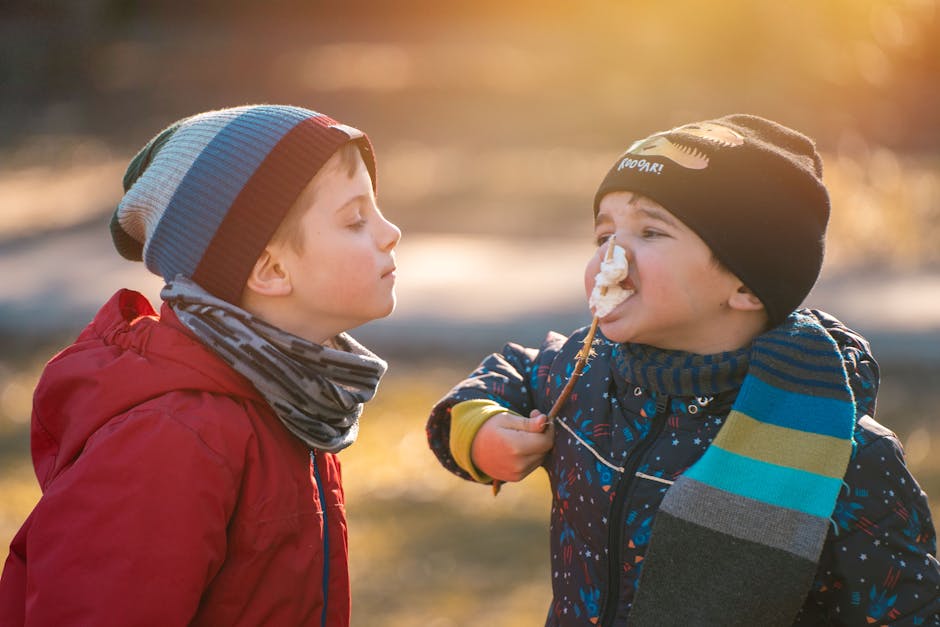
One of the most valuable gifts you can give your children is the ability to resolve disagreements peacefully and respectfully. These are not innate skills; they must be explicitly taught and practiced. This is a longer-term investment that pays dividends throughout their lives.
Instead of constantly stepping in to fix problems for them, equip your children with the tools they need to navigate conflict independently. This approach is central to frameworks like **Positive Discipline**, which emphasizes teaching life skills.
The “I-Statement” Framework
A powerful tool for conflict resolution is the “I-statement.” This framework teaches children to express their feelings and needs without blaming or attacking the other person. It typically follows this structure: “I feel [emotion] when [specific behavior] because [reason], and I need [what you want to happen].” For example, instead of “You always steal my toys!” a child learns to say, “I feel frustrated when you take my truck without asking because I was still playing with it, and I need you to ask me first.”
Practicing “I-statements” requires guidance. During a calmer moment after a conflict, model the language for your children. Ask them, “How did that make you feel?” and then help them phrase it using the “I-statement” structure. You can role-play scenarios, too. This teaches empathy (by hearing the other’s feelings) and effective communication, moving beyond accusations to expressing personal impact and needs. It’s a fundamental shift from blaming to understanding, a skill useful far beyond the playroom.
Collaborative Problem-Solving
Once children can express their feelings, the next step is to teach them how to work together to find solutions. This involves a few key steps:
- Define the Problem: Help both children articulate what the disagreement is about. “The problem is, both of you want to play with the train at the same time.”
- Brainstorm Solutions: Encourage them to come up with multiple ideas, no matter how silly they seem initially. “What are some ways you two could both play with the train?” Ideas might include “take turns,” “play together,” “one plays with trains, one plays with blocks,” or “find another train.”
- Evaluate Solutions: Discuss the pros and cons of each idea. “If you take turns, how will you decide who goes first? How long will each turn be?”
- Choose a Solution: Let the children agree on the solution they think is best and commit to trying it. It’s important that *they* choose, not you.
- Implement and Review: Encourage them to try the solution. If it doesn’t work, review what happened and try a different approach.
This structured approach, similar to techniques used in programs like **Love and Logic**, empowers children to become active participants in creating peace, rather than passive recipients of parental rules. It teaches negotiation, compromise, and mutual respect.
Practical Tools for Fairness and Turn-Taking
Even with great communication skills, some conflicts boil down to basic issues of fairness and turn-taking. For these situations, simple, tangible tools can provide objective guidelines, removing you from the role of arbiter.
Implementing Visual Timers
Visual timers are invaluable for managing turn-taking, especially with younger children. Instead of saying, “You have five more minutes,” which is abstract, a visual timer provides a clear, undeniable representation of time passing. Options include a simple kitchen timer, a sand timer (like a 2-minute or 5-minute hourglass), or specialized visual timers that show the elapsed time graphically, such as the Time Timer MOD. While specific brands aren’t the focus, the *concept* of a visual timer is a powerful, neutral arbiter. When the timer runs out, the turn is over. The timer isn’t biased; it’s just a tool. This reduces arguments over “who had it longer” and teaches children about time management and respecting boundaries set by an objective source.
The Role of Shared vs. Individual Toys
A common trigger for sibling arguments involves toys. Clarifying the status of toys can prevent many disputes. Designate certain toys as “shared toys” – these belong to the family, and everyone can play with them, provided they follow basic rules of turn-taking and care. Other toys can be designated as “individual toys” – these belong solely to one child, and no one else can play with them without explicit permission. A simple system, like a colored basket for each child’s individual toys and a communal bin for shared items, can visually reinforce these boundaries. When a conflict arises over a toy, the first question becomes, “Is this a shared toy or an individual toy?” This quickly clarifies the expectations and often de-escalates the situation. For example, a shared LEGO bin encourages collaboration, while a child’s special stuffed animal remains their private comfort item.
Debunking “Fairness”: Common Questions Answered
The cry of “It’s not fair!” is a battle cry parents hear constantly. But what does fairness truly mean to a child, and how should parents respond?
What Does “Fair” Really Mean to Kids?
For children, “fair” usually means “equal” or “I get what I want.” They often equate fairness with sameness: if one child gets a bigger piece of cake, the other perceives it as unfair, even if the first child actually has a smaller appetite. As a deep researcher, it’s important to understand this isn’t malice, but a developmental stage. Young children struggle with nuanced understanding of equity, which means giving each person what they *need*, rather than strictly what they *are given*. They focus on the superficial aspects of distribution. Your role is to gradually shift their understanding from strict equality to equity, explaining that different needs sometimes require different solutions.
Should I Always Treat My Children Equally?
No, not always. Striving for strict equality often backfires. It means you might inadvertently ignore the unique needs, temperaments, and developmental stages of each child. For instance, an older child might have a later bedtime because their body clock is different, or a younger child might need more hands-on help with a task. It’s not about being equal; it’s about being equitable. This means providing each child with what they need to thrive, which might look different for each. When children complain about unequal treatment, explain the reasoning gently: “You get a larger portion because you’re growing so much and need more energy right now.” or “Your brother gets to stay up later because he’s older and has different responsibilities.”
How Do I Handle Perceived Injustice?
When a child feels wronged, the first step is always to validate their feelings. “I hear that you feel like that wasn’t fair.” Acknowledging their emotion doesn’t mean you agree with their assessment of the situation. Then, calmly explain your decision or the situation from an equitable perspective. You might say, “It might not seem fair that your sister gets a new coat, but her old one got ripped, and yours is still perfectly good. We make sure everyone has what they need.” Sometimes, simply explaining the “why” can diffuse the situation. The goal is to teach them that fairness isn’t about everything being the same, but about everyone getting what they need and being treated with respect.
A Core Principle for Long-Term Harmony
Ultimately, navigating sibling rivalry isn’t about eliminating conflict entirely; it’s about teaching children how to manage inevitable disagreements constructively. The most consistent finding from child development studies points to one crucial factor: the quality of the parent-child relationship. When each child feels seen, heard, and loved unconditionally by their parents, they are less likely to compete aggressively for attention and more likely to develop empathy and respect for their siblings. Focus on strengthening those individual bonds, and the sibling relationship will naturally follow a path toward greater harmony.