
Planning a multi-generational cruise requires upfront strategy. The most important conclusion: transparent communication and flexible expectations prevent nearly all drama. Without these, even the best ship can’t save your family vacation.
Early Planning & Communication Prevents Most Issues
Many family travel conflicts stem from unstated assumptions. Grandparents expect one thing, adult children another, and teens have their own ideas. A successful multi-generational cruise hinges on open dialogue long before booking. This isn’t just about picking a destination; it’s about aligning on the entire vacation style.
Start discussions early. Six to twelve months out is not too soon. This allows everyone to voice preferences and concerns without feeling pressured. It also provides time to find the best deals and secure preferred cabins.
Initial Discussion Points for All Families
Gather everyone who plans to travel. Discuss travel styles first. Does the family prioritize active adventure, relaxation, cultural immersion, or a mix? Some might envision quiet evenings, while others want late-night entertainment.
- Destination & Ship Type: Is Alaska’s scenic beauty preferred, or the Caribbean’s beaches? A megaship with endless activities, or a smaller, more intimate vessel?
- Activity Level: Will everyone participate in every activity? Or will individuals have freedom to choose? Clarify expectations for group time versus personal time.
- Non-Negotiables: One person might need daily quiet time. Another might insist on a specific dining experience. Identify these early to avoid last-minute surprises.
- Medical Needs: Any mobility issues? Dietary restrictions? These impact ship choice, cabin location, and dining arrangements.
Document these preferences. A simple shared online document helps keep track. This proactive approach ensures everyone feels heard, building a foundation of shared understanding.
Setting the Budget & Financial Expectations
Money issues are a primary source of family drama. Address finances directly and clearly. Who pays for what? This needs to be agreed upon by all adult parties.
Common expenses include:
- Cruise Fare: Cabins vary significantly in price. Who covers the difference if one family unit wants a balcony and another an interior?
- Flights & Transfers: Will these be shared costs or individual?
- Onboard Expenses: Specialty dining, drink packages, Wi-Fi, spa treatments, gratuities, souvenirs. Are these individual or group-funded?
- Shore Excursions: Group excursions or individual choices?
Consider a Family Fund. Each adult unit contributes a set amount to cover shared expenses like a group excursion, a specialty dinner, or a round of drinks. This avoids constant splitting of small bills. For larger costs, like cabins, clearly state the financial commitment for each family unit in writing. Some families designate one person to manage bookings and payments, then collect funds from others via bank transfers or apps like Zelle. This ensures transparency and avoids awkward payment reminders.
Crafting a Shared Communication Hub
A central communication point is essential. Email chains get lost. Text messages can be informal. Establish a dedicated digital space. A private messaging group on WhatsApp or GroupMe works well for quick updates and casual chats. For important details and itinerary planning, a shared Google Doc or spreadsheet is invaluable.
- Centralized Document: Include confirmed dates, flight details, cabin numbers, reservation codes, emergency contacts, and planned group activities.
- Designated Planner: One person should act as the primary point of contact for bookings and major decisions, then disseminate information to the group. This avoids duplicate efforts and confusion.
- Pre-Trip Check-ins: Schedule regular virtual meetings (e.g., monthly) leading up to the trip. These brief check-ins keep everyone informed and excited, addressing small issues before they become large ones.
Using these tools ensures everyone has access to the same information and reduces miscommunications. It also sets a precedent for organized, drama-free travel.
Choosing the Right Cruise Line & Ship Class
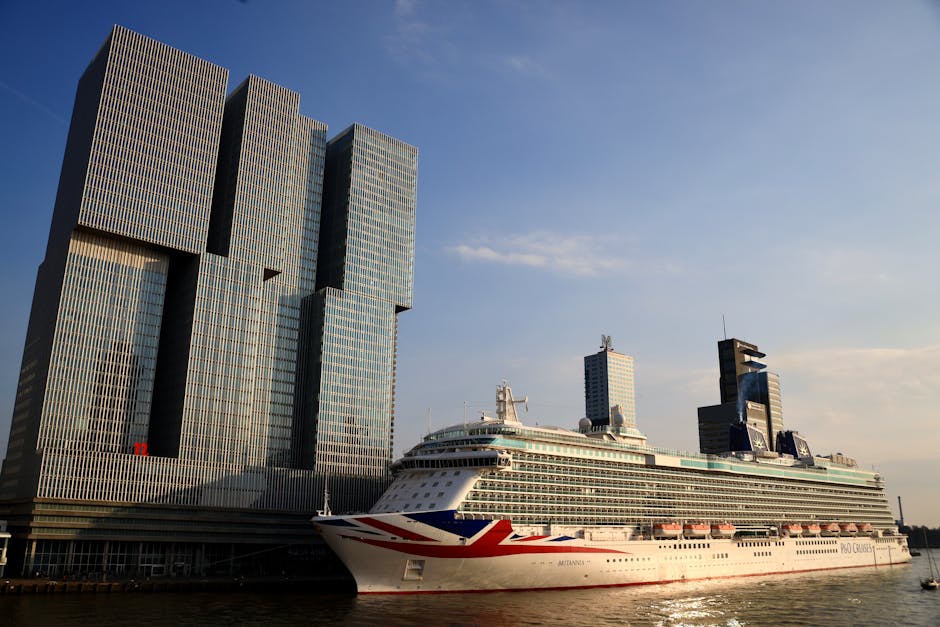
The cruise line and specific ship significantly impact the multi-generational experience. Not all ships are created equal. Focus on lines known for diverse offerings that cater to a wide age range.
Best Cruise Lines for Diverse Age Groups
Your choice depends on your family’s dynamic. Some lines excel in high-energy activities, others in relaxed luxury, and some balance both.
The table below compares popular cruise lines suitable for multi-generational groups in :
| Cruise Line | Strengths for Multi-Gen | Ideal For | Considerations |
|---|---|---|---|
| Royal Caribbean | Massive ships (Oasis Class, Quantum Class) with extensive activities (zip lines, surf simulators, ice skating, multiple pools). Diverse dining. | Families with active kids, teens, and adults. Those seeking non-stop entertainment. | Can feel crowded. Some activities incur extra fees. |
| Disney Cruise Line | Exceptional kids’ clubs (separated by age), character interactions, themed dining, adults-only areas. High-quality entertainment. | Families with young children (0-12) where Disney magic is a priority. Grandparents wanting to see kids light up. | Higher price point. Fewer late-night options for adults compared to other lines. |
| Carnival Cruise Line | “Fun Ship” atmosphere, good value, lively pools, WaterWorks parks, Comedy Clubs. Diverse dining options, including Guy’s Burger Joint. | Budget-conscious families, those who enjoy a festive, casual environment. Appeals to all ages. | Can be loud. Some ships are older; check refurbishment dates. |
| Norwegian Cruise Line | “Freestyle Cruising” offers unparalleled dining flexibility (no fixed times/tables), varied entertainment, go-karts on some ships (Breakaway-plus Class). | Families who dislike strict schedules, those wanting diverse dining options every night. Good for teens and young adults. | Many specialty dining options cost extra. Some activities have a fee. |
| Princess Cruises | MedallionClass technology enhances service, good for enrichment activities, fine dining, traditional elegance. Dedicated kids’ clubs (Camp Discovery). | Families with older children/teens, those seeking a more refined experience with modern amenities. Good for older generations. | Fewer “thrill-ride” activities compared to Royal Caribbean or Carnival. |
Ship Features That Keep Everyone Happy
Beyond the cruise line brand, specific ship features matter. Look for ships that offer a genuine mix of options. This ensures no age group feels left out or overwhelmed.
- Dedicated Kids’ & Teens’ Clubs: These are non-negotiable. Ensure they offer age-appropriate programs. Disney’s Oceaneer Club, Royal Caribbean’s Adventure Ocean, and Carnival’s Camp Ocean provide structure and fun for younger guests, giving parents and grandparents free time.
- Adults-Only Areas: Spaces like The Sanctuary on Princess, Serenity Adult-Only Retreat on Carnival, or Solarium on Royal Caribbean provide quiet zones away from family bustle. This is crucial for adults needing a break.
- Diverse Dining: Ships with multiple complimentary dining venues (main dining rooms, buffets, casual eateries like pizza or deli) allow flexibility. Specialty restaurants offer upscale experiences for group celebrations or adult-only dinners.
- Variety of Entertainment: Look for ships offering Broadway-style shows, live music (jazz, rock), comedy clubs, casinos, and quiet lounges. This caters to different evening preferences.
- Accessible Options: If traveling with older or less mobile family members, check for accessible cabins, ramps, and accessible shore excursions. Major lines like Royal Caribbean and Princess offer good accessibility features.
Choosing a ship that balances these elements ensures everyone finds something they enjoy, minimizing friction over activity choices.
Cabin Configurations for Different Family Units
Cabin choices significantly impact comfort and privacy. Cramming too many people into one small space leads to conflict. Thoughtful planning here is key.
- Connecting Rooms vs. Adjoining Suites: Understand the difference.
- Connecting Rooms: These are two separate cabins with an internal door. They offer privacy but also direct access. Ideal for parents with young children, or adult siblings who want to share a common space. Cruise lines like Royal Caribbean and Carnival offer many connecting options.
- Adjoining Rooms: These cabins are next to each other but lack an internal door. Guests must exit one cabin and enter the other via the hallway. This is suitable if proximity is desired but internal access isn’t critical.
- Family Suites: Many lines offer larger suites designed for families. These might include multiple bedrooms, separate living areas, and larger bathrooms. Examples include Royal Caribbean’s Family Ocean View Balcony or Carnival’s Family Harbor Suites. These provide more space and can be a good compromise for budget-conscious groups wanting more square footage than standard cabins.
- Balcony vs. Interior Options: A mix often works best for varying budgets and preferences.
- Balcony Cabins: Provide natural light, fresh air, and a private outdoor space. Excellent for morning coffee, reading, or quiet moments away from the group. They are usually more expensive.
- Interior Cabins: These are the most budget-friendly. They offer complete darkness, which some find ideal for sleeping. They lack windows or balconies.
- Consider a blend: Parents or grandparents might appreciate a balcony for privacy, while younger, more active family members might opt for an interior cabin, spending less time in their room.
- Location Matters: Think about where each family unit is located relative to others.
- Placing cabins close together on the same deck or adjacent decks simplifies meeting up.
- Consider proximity to elevators, kids’ clubs, or adults-only areas based on individual needs. For instance, families with young children might prefer a cabin closer to the youth facilities.
- Assign Cabins Strategically: Don’t just pick random rooms.
- Young children often need to be in an adjoining or connecting cabin with their parents.
- Teens might appreciate their own cabin nearby, fostering a sense of independence while still being easily supervised.
- Older relatives might prefer a quieter area of the ship or a cabin closer to an elevator for ease of access.
Careful cabin selection minimizes complaints about noise, space, or privacy, contributing significantly to a harmonious trip.
Navigating Onboard Activities & Shore Excursions
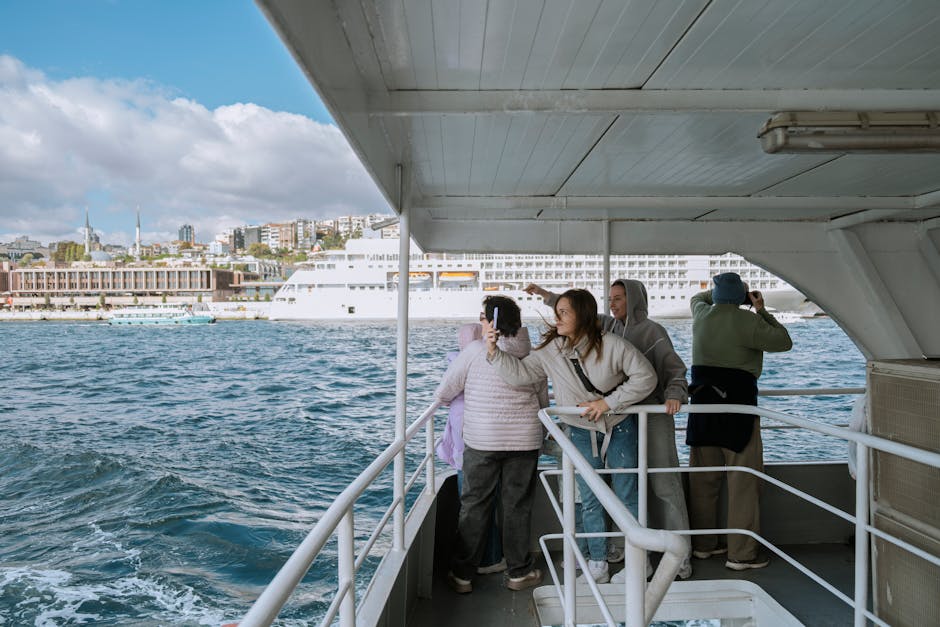
Do not plan every minute together. Over-scheduling group activities is a fast track to family friction. The key to a successful multi-generational cruise is offering choices and respecting individual preferences for both group time and personal time. Allow for spontaneous moments, but also ensure core activities are agreed upon.
Scheduling "Me Time" and Group Time
A successful multi-generational cruise balances togetherness with individual pursuits. Too much enforced group activity leads to resentment. Too little feels disjointed.
- Establish Core Group Activities: Pick 2-3 essential group events. This might be the first formal dinner, a specific onboard show, or one pre-planned shore excursion everyone agrees to. Mark these clearly on a shared itinerary.
- Encourage Independent Exploration: Let everyone know it’s okay to do their own thing. Grandparents might enjoy a quiet morning coffee on deck while teens hit the sports court. Parents might visit the spa while kids are at their clubs.
- Daily Check-in: A casual, designated time to touch base (e.g., before dinner) can help. This is for sharing stories, not forcing attendance at future events.
- Flexible Dining: Opt for cruise lines with flexible dining options (like Norwegian Cruise Line’s Freestyle Dining). This allows family units to eat together or separately without adherence to a strict schedule.
Freedom to choose keeps everyone happier. It builds anticipation for the group activities and prevents cabin fever among different age groups.
Excursion Types for Mixed Abilities
Shore excursions are another potential flashpoint. What appeals to an active 20-year-old might not suit a 70-year-old with mobility concerns. Diversity in excursion options is critical.
- Variety is Key: Major cruise lines (e.g., Princess Cruises, Royal Caribbean) offer a wide range of excursions. Look for options like:
- Relaxed Sightseeing: Bus tours, scenic drives, cultural walking tours (check pace and distance).
- Moderate Activity: Snorkeling, beach visits, light hiking, historical site visits.
- High Energy: Zip-lining, ATV tours, deep-sea fishing, strenuous hikes.
- Pre-Booking and Flexibility: Discuss excursion preferences during early planning. Book group excursions that cater to the lowest common denominator, or simply agree that different family units will do different things.
- Private Arrangements: For larger groups, sometimes a private van or tour guide can be more cost-effective and flexible, allowing customization for varying interests and mobility levels. Always research reputable local operators.
- Port Day "Free Time": Some family members might prefer simply exploring the port town independently, hitting a local beach, or even staying on the ship to enjoy fewer crowds. Respect this choice.
Ensuring choices for shore days keeps everyone engaged and avoids forcing anyone into an uncomfortable or undesirable activity.
Finalizing Details: Documentation, Dining, and Disembarkation
Smooth logistics prevent last-minute stress. Small details can derail a vacation. A multi-generational cruise has more moving parts than a solo trip. Don’t overlook the final planning stages.
Essential Document Checklist
Before leaving home, consolidate and confirm all travel documents. This saves significant headaches at the port.
- Passports/IDs: Ensure all passports are valid for at least six months beyond the cruise return date. For closed-loop cruises from the U.S., a birth certificate and government-issued ID may suffice, but passports are highly recommended for all.
- Visas: Check if any ports of call require specific visas for your nationality.
- Cruise Documents: Print or save digital copies of your cruise confirmations, boarding passes, and luggage tags.
- Health & Insurance: Carry copies of travel insurance policies, prescription lists, and medical contact information for everyone.
- Emergency Contacts: Share a list of emergency contacts for each family unit.
Make several copies of critical documents. Keep one set with each family unit, one set in a separate bag, and digital copies accessible via email or cloud storage. This redundancy is invaluable if anything gets lost.
Dining Strategies for Large Groups
Dining can be a daily challenge or a highlight. Traditional fixed dining times at large tables can feel restrictive for multi-generational groups. Opt for flexibility.
- Flexible Dining: Choose cruise lines that offer "Anytime Dining" or "Freestyle Dining" (Norwegian Cruise Line is a prime example). This allows groups to dine together or separately at their preferred time each evening.
- Specialty Restaurant Reservations: For larger groups wanting a specific specialty restaurant, book well in advance. Many popular venues fill up quickly. Consider breaking into smaller groups if a single table for everyone is impossible.
- Casual Options: the ship’s casual dining options like buffets, pizza places, or burger joints. These are excellent for quick, low-stress meals when not everyone wants a formal sit-down experience.
- Mix & Match: Plan for a few full-group dinners, perhaps on formal nights or at a special restaurant. For other nights, let family units choose their own dining adventure.
This approach gives everyone control over their meal schedule and preferences.
Streamlining Disembarkation
The end of the cruise can be chaotic. Plan ahead to make disembarkation as smooth as possible, avoiding last-minute stress and frustration.
- Luggage Tags: Ensure everyone uses the correct colored luggage tags provided by the cruise line. Pack a small carry-on with essentials (passports, medications, change of clothes) for disembarkation day.
- Departure Times: Note your assigned disembarkation time. This is often staggered. If you have early flights, arrange for self-assist disembarkation, where you carry all your own luggage off the ship.
- Pre-Book Transfers: If multiple family units are heading to the same airport or destination, pre-booking a large taxi, shuttle, or private transfer is more efficient than hailing multiple vehicles.
- Meeting Point: Designate a clear meeting point outside the terminal once everyone has collected their luggage. This prevents people from getting separated in the crowds.
A well-organized departure leaves a positive final impression on the entire family vacation.