
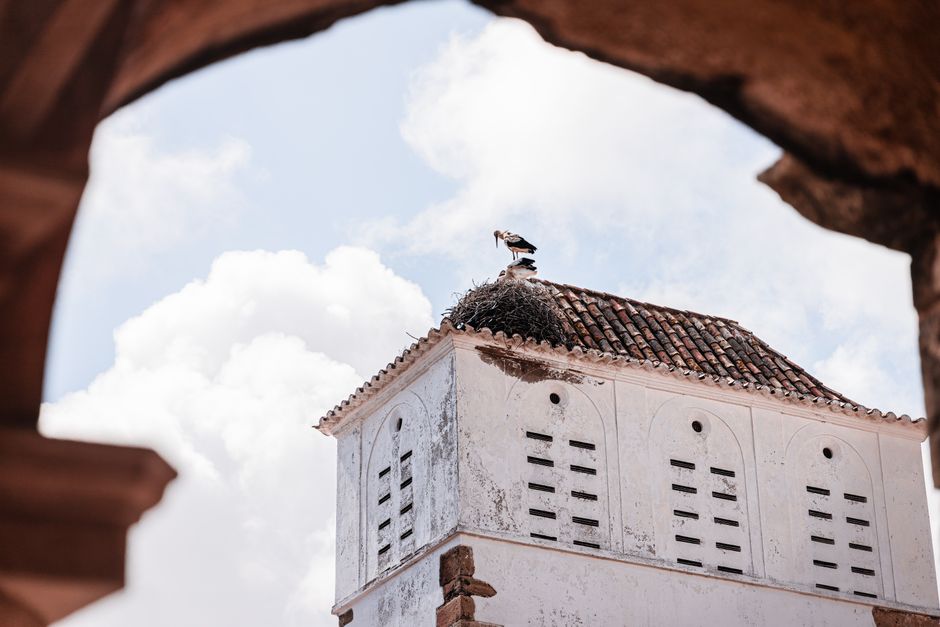
You arrive in Morocco with four full days, one child who still needs a quiet hour after lunch, and a notebook reserved for tiled courtyards, old libraries, and street food. Marrakech gives you grand entrances, warm red walls, and a medina that feels designed for a first dramatic impression. Fes gives you something denser: working craft streets, older layers of history, and the feeling that the city is still teaching itself every day.
After planning culture-heavy trips around both cities, my clear choice for serious culture buffs is Fes. Marrakech is easier, brighter, and better for a short first visit. Fes is richer when your priority is history, craftsmanship, religious architecture, and the texture of ordinary life.
Marrakech vs Fes: Which city offers more culture?
The answer changes when you define culture. If you want famous buildings that are easy to reach, Marrakech wins. If you want to understand how a historic Moroccan city still works, Fes wins by a wide margin. Both medinas are UNESCO World Heritage sites, but they tell different stories. UNESCO describes Marrakech as a major western Islamic capital with monuments such as the Koutoubia Mosque, Bahia Palace, Saadian Tombs, and Jemaa el-Fna. The UNESCO profile of the Medina of Marrakesh is a useful reference before you plan your route.
| Culture question | Marrakech | Fes | My winner |
|---|---|---|---|
| Best historic monuments | Bahia Palace, Badi Palace, Saadian Tombs, Ben Youssef Madrasa | Medersas, royal gates, Nejjarine Museum, old foundouks | Fes for depth; Marrakech for easy sightseeing |
| Traditional crafts | Leather, rugs, metalwork, pottery, modern design shops | Weaving, brass, leather, zellige, woodwork, embroidery | Fes |
| Atmosphere after dark | Jemaa el-Fna, food stalls, music, busy souks | Quieter lanes, family restaurants, rooftop views | Marrakech |
| Ease with young children | Better hotel choice and simpler first-day layout | More tiring medina walks and confusing lanes | Marrakech |
| Best for a culture-first trip | Strong two-day introduction | Excellent three-day immersion | Fes |
That table captures my practical verdict: choose Marrakech for concentrated highlights and Fes for a slower, more demanding education in Moroccan history.
Choose Marrakech for visual drama and an easier first trip
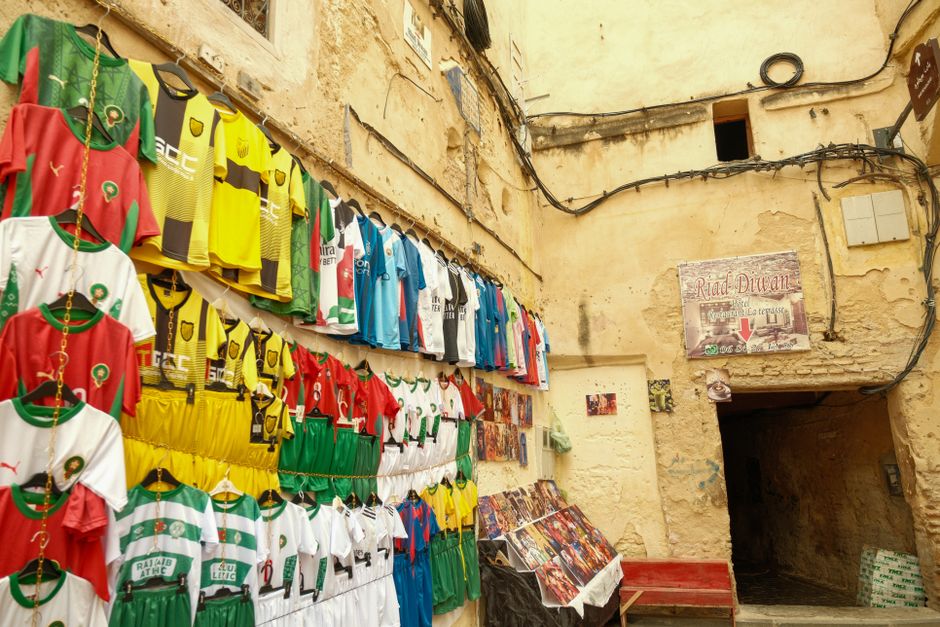
My Marrakech recommendation is simple: choose it when you want culture without spending your entire trip solving logistics. The major sights sit close enough together to build a satisfying walking day, and the city has a larger range of riads, restaurants, guides, and family-friendly hotels. You can visit the Ben Youssef Madrasa in the morning, walk through the souks, see Bahia Palace after lunch, and reach Jemaa el-Fna before the evening crowds peak.
What Marrakech does best
Marrakech is a city of public spectacle. The red ochre walls make even an ordinary lane feel composed. Bahia Palace is the strongest stop for architecture lovers who notice detail: carved cedar, painted ceilings, zellige tilework, marble courtyards, and stucco that rewards close attention. The official Ministry of Culture ticket page lists foreign adult admission at 100 MAD and foreign children aged seven to thirteen at 50 MAD, with opening hours shown as 9 a.m. to 5 p.m. Check the official Bahia Palace ticket information before visiting because prices and hours can change.
Where first-time visitors make mistakes
They rush through the medina and mistake noise for culture. Give the Ben Youssef Madrasa at least forty-five minutes instead of treating it as a photo stop. Its official ticket page lists foreign adult entry at 50 DH and children under twelve at 10 DH. Visit the Saadian Tombs early, then leave a real gap between monuments. Marrakech becomes exhausting when every hour is booked.
My family rule is one major monument, one food stop, and one unplanned hour each day. That rhythm makes Marrakech the better pick for parents, short trips, and travelers who want strong cultural memories without a punishing schedule.
Choose Fes for living craft and layered history
Fes is harder to read, and that is exactly why I prefer it. The medina does not hand you one obvious postcard scene after another. Instead, the city reveals itself through workshops, religious schools, old commercial lanes, fountains, gates, and sudden views across tightly packed rooftops. UNESCO identifies the Medina of Fez as a historic urban settlement founded in the ninth century and shaped by major development under the Marinid dynasty. It also describes Fes as Morocco’s cultural and spiritual centre. Read the UNESCO description of the Medina of Fez before you go; it explains why the city feels so different from Marrakech.
The culture is in the working streets
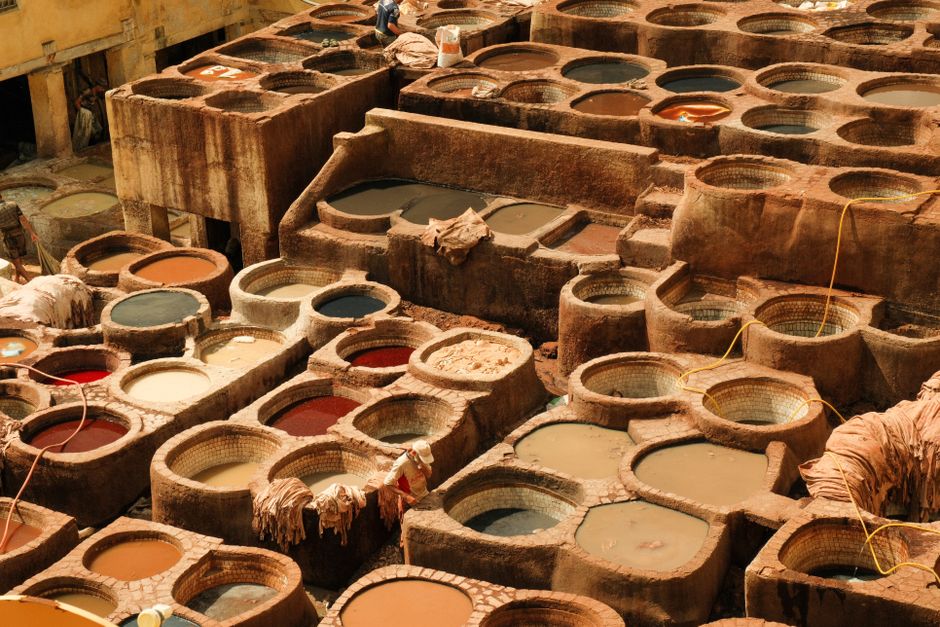
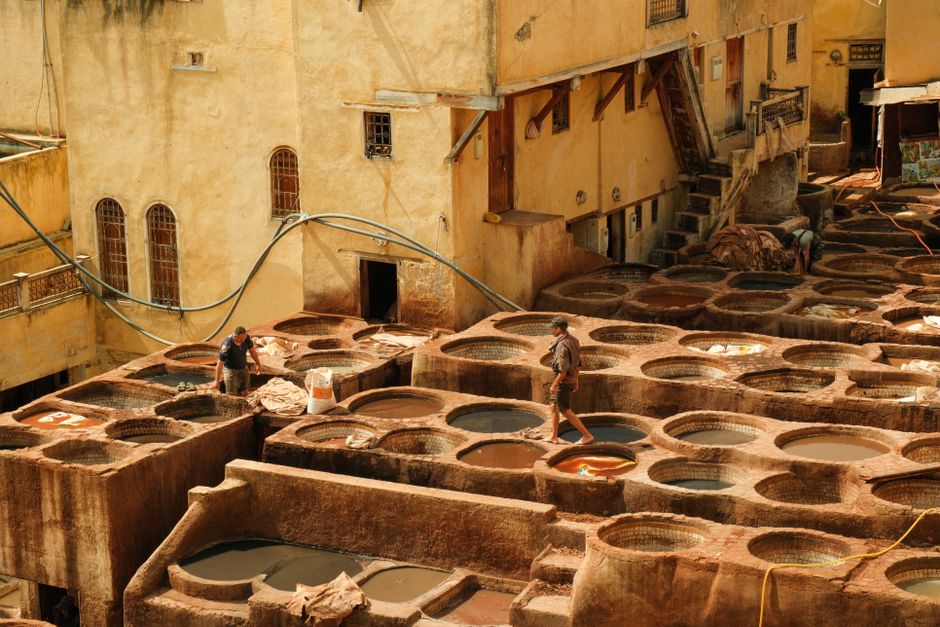
In Fes, the craft is not only displayed behind glass. You see metalworkers hammering trays, woodworkers shaping doors, weavers handling looms, and leather workers preparing hides. The tanneries are visually famous, but I would not build the whole visit around them. Rooftop viewing terraces can turn into aggressive sales stops, and the smell can overwhelm younger children. Look briefly, ask the price of any guided explanation before it begins, and leave if the visit becomes a sales pitch.
The monuments reward preparation
Fes is much better with a licensed local guide for one half-day, especially on a first visit. You need context to understand the difference between Fes el-Bali and Fes el-Jdid, the role of the Bou Inania and Al-Attarine madrasas, and why the old fondouks mattered to trade. The Nejjarine Museum of Wooden Arts and Crafts is a particularly good stop because the building itself is part of the lesson. The municipal tourism information for Fes lists general admission at 20 DH and opening hours from 10 a.m. to 5 p.m.
Do not expect every religious building to function like a museum. Some mosques and sacred sites are closed to non-Muslim visitors, so admire the exterior, ask respectfully, and let your guide explain the history. For culture buffs, Fes wins because the city is not merely preserving the past. Its lanes still connect people, work, worship, trade, and home life.
How to plan a culture-first day in either city
A good Moroccan culture day needs fewer stops than most online itineraries suggest. The heat, uneven paving, crowds, and constant visual detail slow you down. I use this sequence in both cities:
- Start before 9 a.m. Begin with the site that has the strictest opening hours or the longest expected queue. In Marrakech, that may be the Saadian Tombs or Ben Youssef Madrasa. In Fes, start with a medersa or arrange your guide before the lanes become crowded.
- Keep the first walk focused. Choose one medina zone rather than crossing the entire old city. In Marrakech, connect Ben Youssef, the central souks, and Bahia Palace. In Fes, stay around the central Fes el-Bali lanes and nearby craft quarters.
- Eat before everyone is hungry. A sit-down lunch at 12:30 is easier than trying to find food during a family meltdown at 2 p.m. Ask for a shaded table and keep water available.
- Protect the afternoon. Use the hottest hours for a riad courtyard, museum, hammam appointment, or rest. Children remember the trip better when they are not overtired.
- Take one evening walk. Marrakech is strongest at Jemaa el-Fna after sunset. Fes is better from a calm rooftop or a short walk near the medina gates.
The failure mode I see most often is treating a medina like a checklist. Historic cities work through repetition and observation. Leave space to notice a doorway, listen to a craftsman, or follow a smell from a bakery.
What families should know before booking
For families with toddlers, Marrakech is the safer choice. It has more accommodation outside the tightest lanes, more predictable taxi access, and an easier range of restaurants. A lightweight baby carrier beats a stroller in both medinas, but it matters even more in Fes, where steps, narrow passages, and uneven paving can turn a short walk into a full workout.
Strollers, heat, and walking distance
Do not book a beautiful riad without checking its actual access. Some sit deep inside pedestrian lanes where taxis cannot reach the door. Ask the property for the nearest drop-off point and the walking time with luggage. In 2026, summer heat can still make midday sightseeing unpleasant, so spring and autumn remain easier for families. Even then, plan shade and water rather than assuming every attraction has a comfortable rest area.
How to avoid a bad family day
Skip the idea of visiting three palaces before lunch. Pick one major site, one market area, and one flexible activity. In Marrakech, the medina can feel loud and sales-focused around the busiest souks. In Fes, the challenge is less performance and more navigation. Keep children close near carts, scooters, and working animals, and agree on a meeting point before entering a crowded lane.
Parents sometimes choose Fes because it sounds more authentic, then resent the effort. That is the wrong reason to go. Choose Fes with older children who enjoy questions, walking, and small discoveries. Choose Marrakech when comfort, easy transport, and a strong first taste of Morocco matter more.
Which city works better for food, souks, and evenings?
Is Marrakech better for a first Moroccan food experience?
Yes. Marrakech gives you the widest range of easy choices, from tagine and tanjia to fresh juices, harira, grilled meats, and modern Moroccan restaurants. Jemaa el-Fna is lively, but I prefer eating at a busy stall with visible turnover instead of choosing the most theatrical pitch. For families, order one familiar dish, one local dish, and bread to share. The city is also better for browsing rugs, lamps, leather goods, and contemporary design, though the shopping can feel polished and tourist-focused.
Is Fes better for traditional food and craft shopping?
Yes, if you care more about detail than convenience. Fes is my choice for learning how zellige, brass, wood, leather, and woven textiles fit into Moroccan design. Shopping feels more connected to workshops, but you need patience and a firm budget. Ask whether an item is handmade locally, how long it took to produce, and whether shipping is included. Do not let a guide or shopkeeper move you into a purchase before you understand the final price.
Which evening atmosphere wins?
Marrakech wins for energy. Fes wins for conversation. The former gives you music, food stalls, crowds, and a memorable public square. The latter gives you quieter rooftop views and a slower evening after the medina closes down. My verdict is Marrakech for teenagers who want action and Fes for adults or older children who want to talk about the day over dinner.
My final pick for a 2026 culture trip
For a two-day stop, choose Marrakech. You will see more major monuments with less planning, and the city handles a first Moroccan visit well.
For three or more days devoted to history, architecture, and traditional craft, choose Fes. Its medina is more tiring, but the reward is a deeper connection between the buildings and the people who still use them.
The city I would book
I would book Fes for a culture-buff trip in 2026, with one guided half-day and one deliberately slow day. I would book Marrakech for a family weekend, a first visit, or any itinerary that also includes the Atlas region and needs a simple base.
The mistake I would avoid
I would not split four nights evenly between both cities. The journey consumes time, and each medina needs a different pace. Pick one city, learn its rhythm, and let the details accumulate. Fes is the stronger cultural answer; Marrakech is the easier one.