
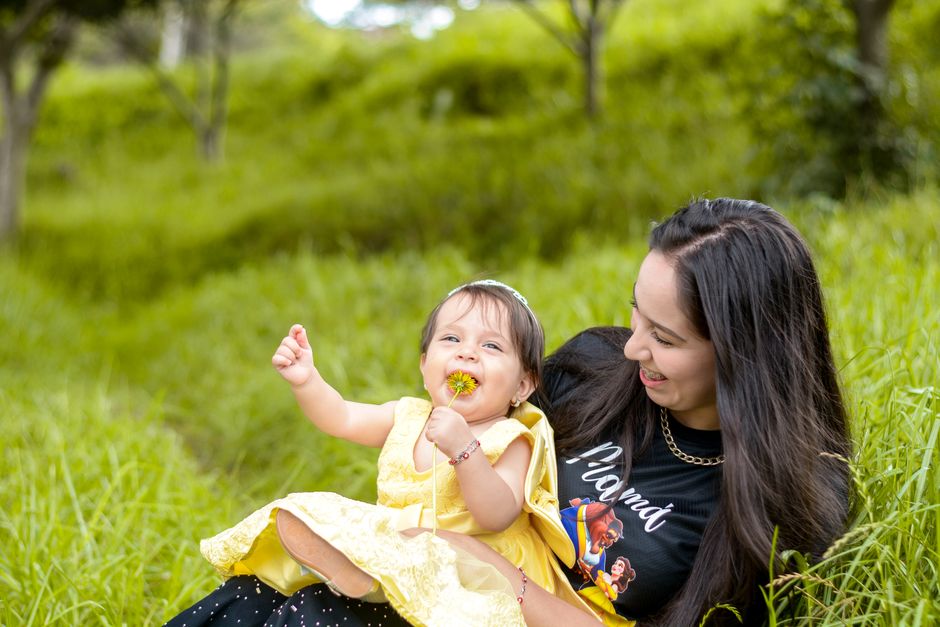
Costa Rica protects more than 25% of its national territory for conservation, so an eco stay here can mean more than bamboo furniture and a jungle view. It can support wildlife corridors, local jobs, water-saving systems, and small businesses. The harder part is finding a genuine boutique stay that remains below $150 after seasonal pricing, taxes, and extra-guest fees. These are the properties and booking checks that make the budget realistic.
Which Costa Rica eco hotels fit a $150 cap?
The strongest options are small lodges and guesthouses rather than full-service resorts. Their published starting prices leave room for a basic room, but the final bill can change with dates, taxes, room size, and the number of guests. The table below uses rates shown by the properties or their current booking pages, not a guaranteed quote.
| Property | Location | Published 2026 rate | Best fit |
|---|---|---|---|
| 3 Bamboo Ecolodge | Cahuita | From $90 to $130 | Families wanting space |
| Four Monkeys Eco Lodge | Playa Tamales | $90 to $150 | Beach and Osa Peninsula wildlife |
| Vida Verde Eco-Guesthouse | Playa Avellanas | $122 to $150 for two | Quiet beach stays |
| Casas del Toro Boutique Hotel | Monteverde | $100 to $141 | Cloud forest stopovers |
| La Tigra Rainforest Lodge | Near La Fortuna | $80 to $140 | Rainforest and farm experiences |
The best strict-budget choices
For a room rate safely below the cap, La Tigra Rainforest Lodge and 3 Bamboo Ecolodge are the easiest starting points. Their lowest listed rooms cost $80 and $90, leaving more space for tax, breakfast, transport, or a national park entrance fee. The tradeoff is distance from major attractions and fewer resort-style facilities.
The best value at the ceiling
Four Monkeys gives the clearest value for two travelers who want the Osa Peninsula. Its beachfront glamping rate starts at $90 in green season, while the two-person La Casita rate is $120 in that period. Vida Verde is the better beach choice for a quiet cabin, but its $150 peak-season rate leaves no room for tax if the budget is a final-total limit.
Why the family pick is a small cabin, not a resort
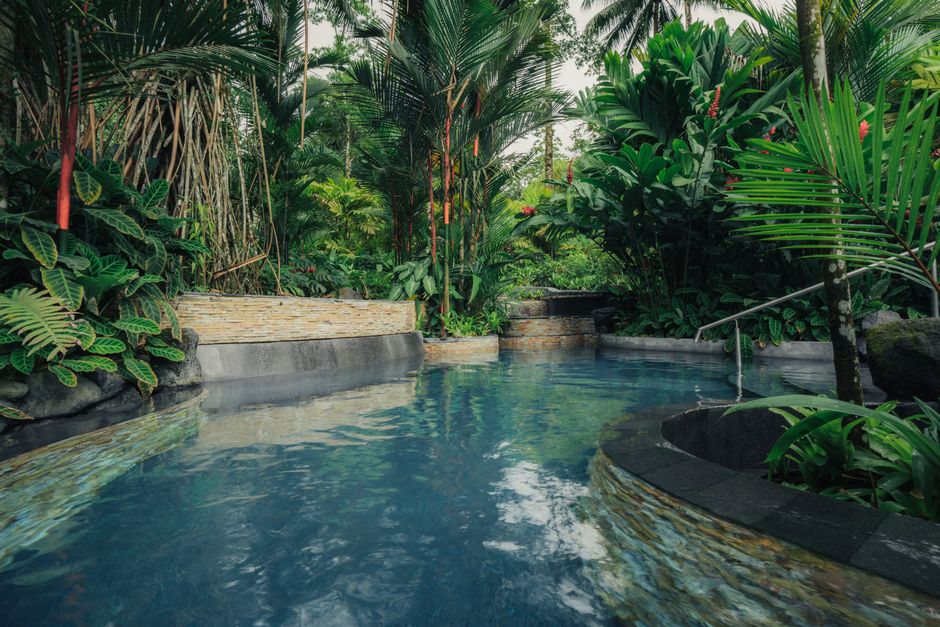
My family verdict is simple: choose a private cabin with a kitchenette or flexible sleeping space, even if the property has fewer facilities. Parents usually save more from a refrigerator, a quiet terrace, and room for wet clothes than from a large pool that sits unused after a long transfer, while a two-bedroom layout or bunk bed can protect sleep and prevent the hidden cost of booking a second room.
Sleep and meal math
A family of four should compare the total room cost, not the headline rate for two adults. A $120 cabin that sleeps four can beat two $75 rooms, especially when one room would require a connecting-door upgrade or a separate booking. A small refrigerator also makes fruit, yogurt, and drinks easier to store, which matters in remote areas where a restaurant meal can cost $15 to $25 per person.
Location beats a long amenity list
Families should favor a property within a short drive of the day’s main activity, because an extra hour on rough roads can erase the value of a cheaper room. Cahuita works well for parents who want a national park, beaches, and local restaurants in one area; Monteverde suits families who prefer cooler weather and guided forest walks; the Osa Peninsula rewards wildlife-focused travelers who accept slower transport and fewer backup services.
The winning family stay is the one that reduces moving parts. A clean room, shade, reliable water, and an easy dinner plan matter more than polished resort branding.
How to check if an eco hotel is genuinely sustainable
The word eco has no single global meaning for every small property. A lodge can sit in a forest and still waste water, import most of its supplies, or disturb wildlife. A careful traveler should look for clear actions that can be checked rather than broad claims about being green. The best evidence usually appears in operating details: refill stations, wastewater treatment, local hiring, renewable power, native planting, and rules that keep guests away from animals.
Ask what the property actually measures
Look for numbers or specific practices. Does the lodge collect rainwater, use low-flow showers, separate recycling, or treat wastewater before it reaches a stream? Does it replace disposable bottles with filtered water? A credible answer names the system and its limits. “We save water” is weak. “We use refillable glass bottles and ask guests to reuse towels” is clear but modest. Modest claims often deserve more trust than grand promises.
Check the community link
Sustainability also has a human side. Ask if the lodge hires local guides, buys food from nearby farms, or supports a school, reserve, or conservation group. The practice should be explained plainly, without implying that every booking directly funds a protected area. Travelers should also respect local rules: do not feed wildlife, do not remove shells or plants, and keep noise low near nesting or forest areas. Costa Rica’s tourism authorities advise visitors to stay on marked trails, avoid disturbing animals, and reduce single-use plastics.
Separate setting from proof
A jungle view proves only that the building is near trees. It does not prove responsible construction or low energy use. Read the property’s sustainability page, then compare it with recent guest reviews for practical signs such as hot-water reliability, waste collection, and whether the advertised facilities match the room. That small check can prevent paying an eco premium for scenery alone.
How to book below $150 without a budget surprise
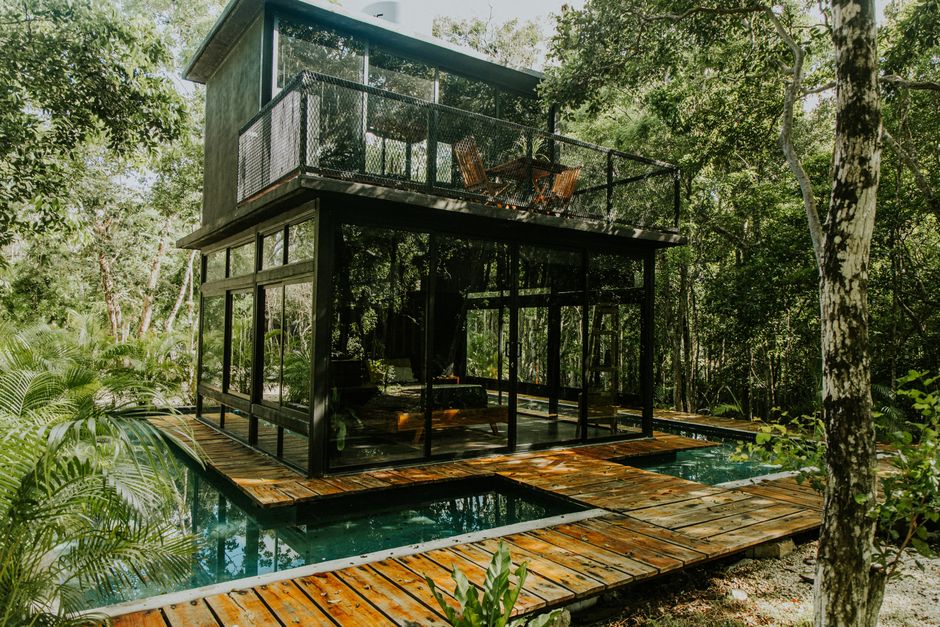
Use a four-step check before paying a deposit. The order matters because the cheapest room is not always the cheapest stay.
Step one: set the real ceiling
- Decide if $150 means the room rate or the complete nightly total. If it means the final total, aim for a listed base rate around $125 to $130, because some properties add tax or cleaning charges.
- Enter the exact number of adults and children. A room priced for two may add $10 to $25 for a third or fourth guest, and some properties classify older children as adults.
Step two: price the whole route
- Map the transfer from the airport or previous stop. A $95 room that needs a private shuttle can cost more than a $130 room near a bus route or activity area.
- Check minimum stays, especially during Christmas, Easter, and school holidays. Four Monkeys lists a two-night minimum for several 2026 rates and a longer minimum for holiday dates.
Step three: verify the room
- Confirm the bed layout, bathroom location, air-conditioning, Wi-Fi, kitchen equipment, and late-arrival process. “Sleeps four” may mean one double bed and a sofa rather than four separate beds.
- Save the cancellation terms and the quoted total. A screenshot can resolve disputes when a rate changes between the search page and the payment page.
This is travel information, not a contract review. No state law is being discussed; this is not legal advice — consult a licensed attorney.
My clear winner for rainforest value
3 Bamboo Ecolodge is my top pick for travelers who want the strongest mix of price, space, and visible eco positioning. The Cahuita property lists Villa Diro from $90, Villa Tami from $95, treehouses from $100, and larger villas from $120 to $130. Several room types sleep three to six people, so the per-person cost can fall well below the headline rate for a couple.
Why 3 Bamboo wins
The property is near Cahuita National Park and presents sustainability as part of its operating model, including community involvement and practices linked to Costa Rica’s Certification for Sustainable Tourism framework. The setting also gives families access to beaches, wildlife walks, and local restaurants without requiring a resort meal plan. The clear drawback is that a low starting rate does not guarantee air-conditioning, a private pool, or a walk-to-everything location in every room category.
When another lodge wins instead
Choose La Tigra Rainforest Lodge if cloud forest and conservation matter more than beach access. Its listed prices include an $80 standard room, a $100 rustic tent, and a $120 cabin room, with a $140 superior tent also within the cap. Choose Vida Verde if a small Playa Avellanas guesthouse fits your route better; its cabins accommodate up to three guests and list $122 low-season and $135 high-season rates for two. My pick remains 3 Bamboo for families because its room-size range gives the budget more flexibility.
What should you ask before confirming?
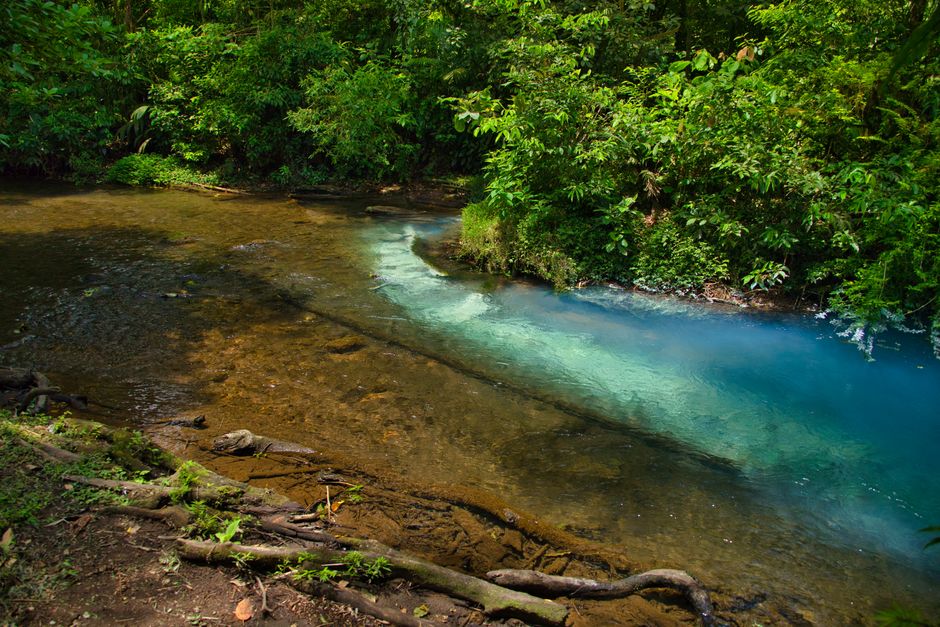
Does under $150 include tax?
Not always. Casas del Toro lists a boutique apartment from $100 in low season and $141 during some 2026 high-season dates, but travelers should confirm the tax treatment and final checkout amount. Four Monkeys also states that its listed prices may change and do not include taxes. Treat every advertised figure as a starting point until the property confirms the total.
Is the hotel really boutique?
Boutique usually describes a smaller, more individual stay, not a formal legal category. Ask how many rooms or units the property has, if the owners live on site, and how far the room is from shared spaces. A six-unit lodge can feel personal; a large resort with a jungle theme may not. Neither label proves good service, so recent reviews should answer questions about noise, maintenance, and communication.
When should you skip the cheapest option?
Skip it if the transfer is difficult, the room cannot handle your family’s sleeping arrangement, or the property has no clear plan for rain. Costa Rica’s wet-season roads can turn a short map distance into a slow journey. Spend more on a better location when you have only two or three nights, and spend less on a remote lodge only when the natural setting is the main reason for the trip.
The best under-$150 stay is not the one with the most impressive sustainability language. It is the one whose price, location, room setup, and environmental practices still make sense after you read the small print.